June 1944, Normandy. A man well past his prime lands on the shores amidst gunfire, determining the course of battle. In the moment of crisis, his frailty becomes his strength.
The Leader with a Cane
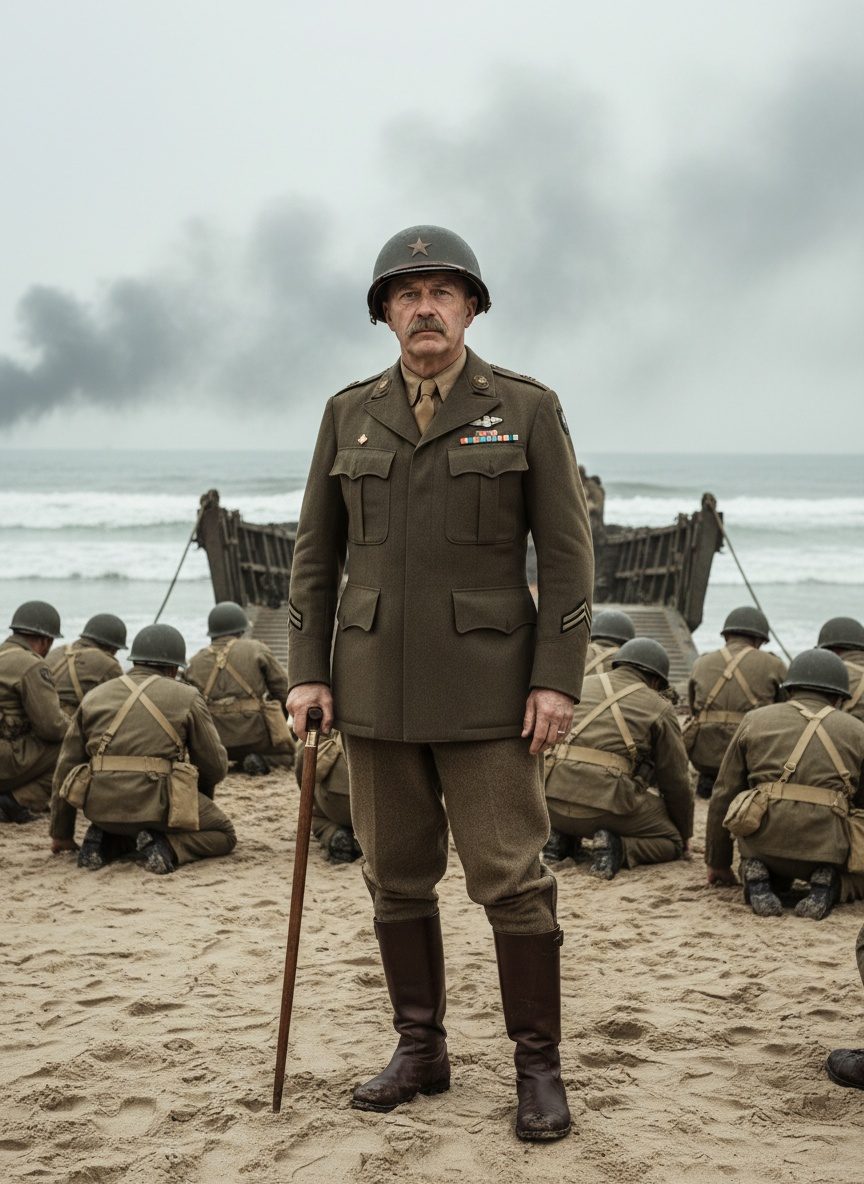
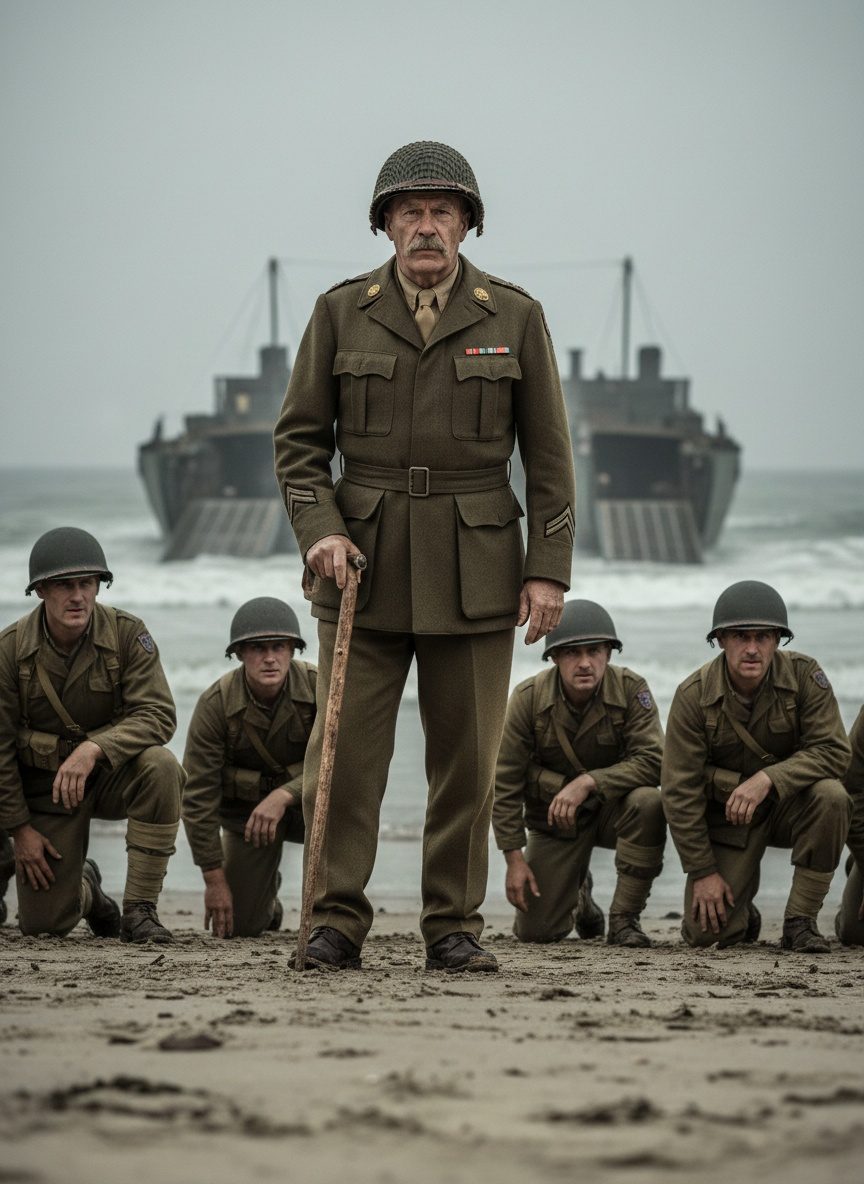
In the early light of that fateful June morning, the sounds of war pierced the air as landing crafts approached Utah Beach. Among the countless soldiers was a figure who stood out—a 56-year-old general who should have been anywhere but there. Theodore Roosevelt Jr., the eldest son of the 26th President of the United States, marched with a cane due to arthritis and carried the burden of a failing heart. His presence was unexpected for a man of his age and condition, yet equally determinative.
Countless voices fought to dissuade Roosevelt from joining the initial assault. Every medical chart, every doctor's advice, and common sense dictated that he should stay aboard the ship, where safety and reason prevailed. But for Roosevelt, duty eclipsed caution. He was not simply leading from the rear; he was right there with his men, embodying the resolve he demanded from them.
The Unfamiliar Shores
The scene was mired in chaos as waves of troops descended upon an unexpected section of the beach. Maps and plans were rendered useless as the men realized they were landing on the wrong site, far from their intended target. These were moments when a split-second decision could mean the difference between disaster and deliverance. In the face of enemy fire and amidst the smoke and screams, Roosevelt's judgment cut through the chaos.
Standing exposed to enemy fire, he offered clarity to turmoil. His order—a simple and clear call to action—resonated with defiant optimism: “We’ll start the war from here!” The decision to continue the fight from this unknowable patch of sand signaled an audacious but calculated pivot, stabilizing forces that were on the brink of disarray. Through this decisive call, Roosevelt transformed potential calamity into an opportunity, restoring momentum to the Allied advance.
A Presence That Imposed Resilience
What made Roosevelt's presence so remarkable was how he simultaneously embodied vulnerability and strength. The sight of him—a greying officer leaning on a cane amidst youthful soldiers—projected an image of courage that transcended physical bounds. It wasn't just his stature or name that rallied the troops but the impenetrable spirit he radiated.
The troops took heart from his composed, yet spirited, approach. It was as if his resolve was armor shielded against the insurmountable odds they faced. His actions spoke volumes about leadership that doesn’t just command but inspires. Roosevelt’s style was as much about personal involvement in the thick of things as it was about strategic oversight. His very presence became a rallying point that fortified their resolve.
The Charge and Its Legacy
Theodore Roosevelt Jr.'s leadership at Utah Beach was pivotal in securing a toehold for the Allied forces. Against every logical reason, he not only participated but led from the front, demonstrating an indefatigable will that would secure more than just territory—it inspired a narrative of unyielding American resolve. But then, as great stories of heroism often tragically end, he succumbed to a heart attack five weeks later, far from the shores of Normandy.
His bravery did not go unrecognized. Posthumously, he was awarded the Medal of Honor, a testament to the valiance and leadership that redefined a crucial point in history, notwithstanding the disparity between his health and his heart's courage.
Why This Story Resonates
The story of Theodore Roosevelt Jr. at Utah Beach is about the essence of leadership that defies common logic and triumphs over personal limitations. It compels us to reconsider how age, frailty, and circumstance might define an individual's expected role yet should never dictate their potential impact. His actions on that pivotal day remind us that true leadership often reveals itself in unexpected quarters, usually when the odds are stacked fiercest against those who embody it.
He ventured forward into storm and strife not just as a soldier or general but as a figure offering hope through defiance. As we reflect on this narrative, it invites a wider contemplation on the nature of courage and duty, illustrating that sometimes the greatest battles are fought not with brute strength but with the fortitude of spirit. Roosevelt’s story is preserved not just as a strategic military maneuver etched into the history of World War II, but as a vibrant exemplar of the extraordinary resilience that lives even within the most ordinary of men.