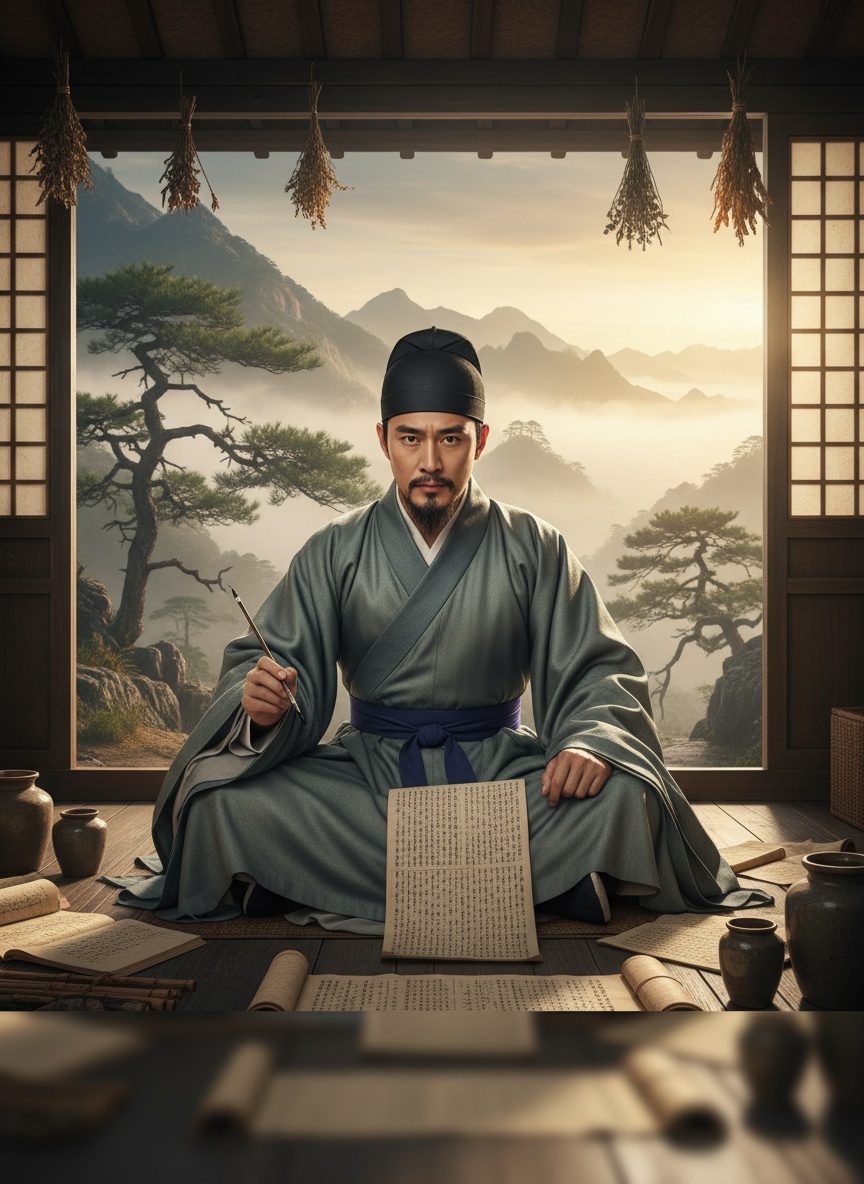
The peaks of the Luofu Mountains rise like ancient guardians from the thick, undulating waves of fog. The air is rich with the scent of pine, a sharp contrast to the bustle and grandeur of the distant palaces. This serene landscape, filled with the whisperings of untamed streams and the occasional rustle of forest creatures, held no allure of power or riches. Yet, for Ge Hong, one of the most brilliant minds of the Eastern Jin Dynasty, it promised something far more valuable—solitude and purpose.
The Unassuming Choice
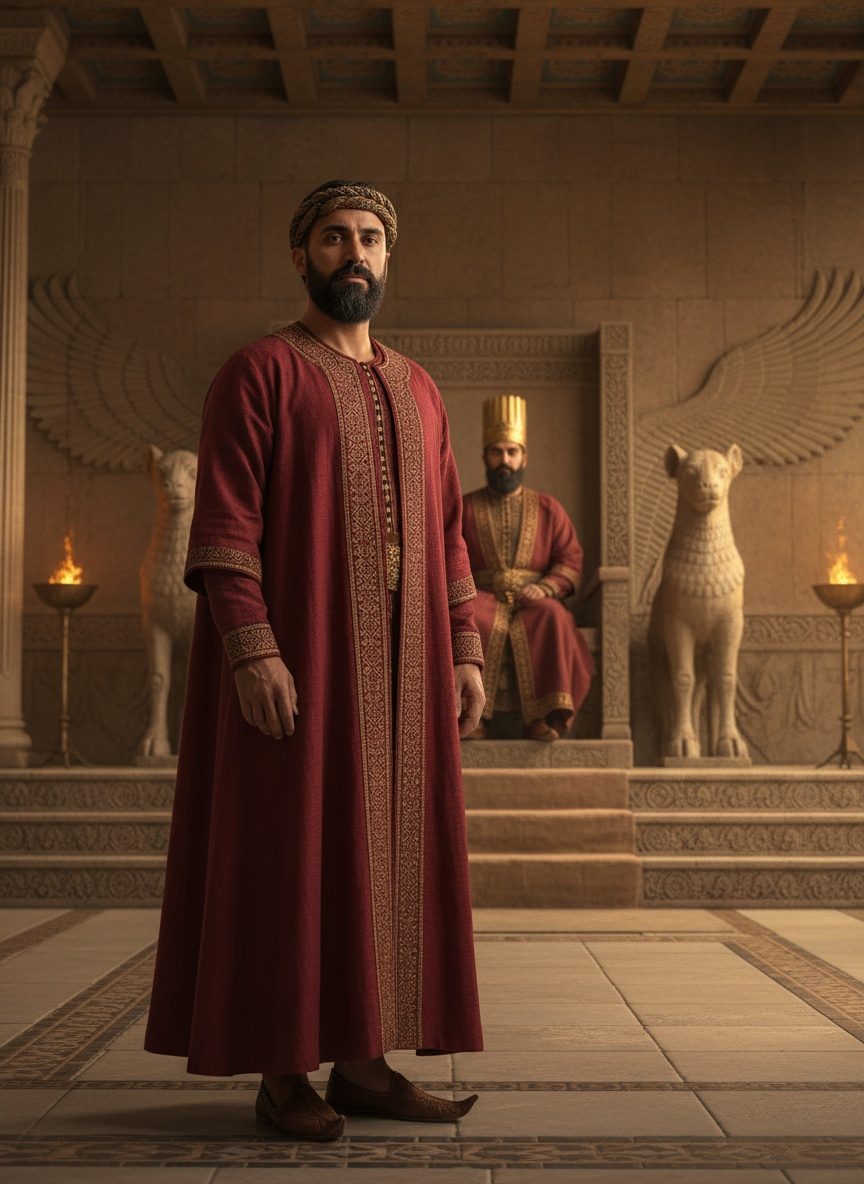
In the world of the Eastern Jin, power was a potent currency, and the emperor’s offer to Ge Hong was a testament to his exceptional talent. Renowned as a scholar, soldier, and medicinal master, Ge Hong was offered the opulence of court life—a palace post that would bring honor, influence, and gold aplenty. However, in a surprising twist, he declined this dazzling future, opting instead for a path few would tread willingly. Ge Hong requested a position so remote it bordered on insult—a life among the rugged mountains of Luofu, away from the politics and prestige of the emperor’s court.
This choice, though baffling to many of his contemporaries, was driven by an unwavering commitment to his passions: the study of Daoism, medicine, and the welfare of the common people. Ge Hong yearned to dedicate himself to a higher purpose, one that transcended personal wealth and status. By turning his back on the emperor’s temptations, he embraced a different kind of service—treating the poor, a mission that demanded as much courage and resolve as leading an army.
Into the Wild
The Luofu Mountains, with their mystic veils and inscrutable paths, became Ge Hong’s sanctuary. Here, enveloped by nature’s raw beauty, he found the peace he needed to delve deep into his studies and writings. His dedication bore fruit in the form of numerous works, though it is *Baopuzi*, or *The Master Who Embraces Simplicity*, that stands out as his magnum opus. This extensive compilation reflects not only his mastery in Daoist philosophy and alchemical pursuits but also his profound understanding of medicinal practices.
*Baopuzi* served a diverse audience, from seekers of spiritual wisdom to those in search of practical medical knowledge. Ge Hong’s treatise reached far beyond the cloistered halls of intellectuals, extending its wisdom to the very people he devoted his life to aiding—the sick and impoverished.
The Scholar, the Healer
Ge Hong’s departure from the court was more than an act of personal rebellion; it was a conscious shift toward a life of healing. While he refrained from the trappings of political power, he wielded a different kind of influence, one not born from decrees or mandates, but from compassion and knowledge. He immersed himself in the art of healing, offering his skills to those in the most dire need, regardless of their social standing.
His contributions in medicine, particularly his understanding of herbal remedies and alchemical concoctions, were revolutionary. By integrating Daoist principles with practical healing techniques, he provided holistic care that addressed both the spiritual and physical needs of his patients. This approach not only alleviated suffering but also bridged the gap between the mystical and the tangible—a feat few had accomplished before him.
The Written Legacy
Ge Hong's decision to walk away from the imperial palace with its gilded halls and into the secluded embrace of the mountains left a powerful legacy. He burned certain writings that were deemed unworthy of preservation, yet those that remained were filled with insights and knowledge that would impact countless lives. His works, particularly those on medicine, became invaluable resources that transcended generations.
Among the lesser-known aspects of his writings was the keen observation of natural phenomena. Ge Hong did not merely prescribe remedies; he detailed the origins of the plants and elements he used, ensuring that his insights into health and well-being were grounded in a profound respect for the natural world. His writings traced the narratives of natural processes, revealing a worldview where harmony between humanity and nature was not only desirable but essential.
Lessons from the Mountains
Ge Hong's choice to forsake the court for the mountains can be seen as a tale of steadfast integrity and uncompromised values in the face of societal expectations. His life teaches that true influence extends beyond the grasp of power and into the hearts of the communities we choose to nurture. Through his commitment to healing and education, Ge Hong left behind a legacy that continues to resonate, urging us to consider the paths we choose, the lives we touch, and the true meaning of success.
In the Luofu Mountains, Ge Hong found the solace and freedom to pursue his truth—a reminder that sometimes, the most unlikely paths yield the richest rewards. His story, nestled within the folds of history, tells us not only of a man who walked away from power but of one who journeyed toward a higher calling.