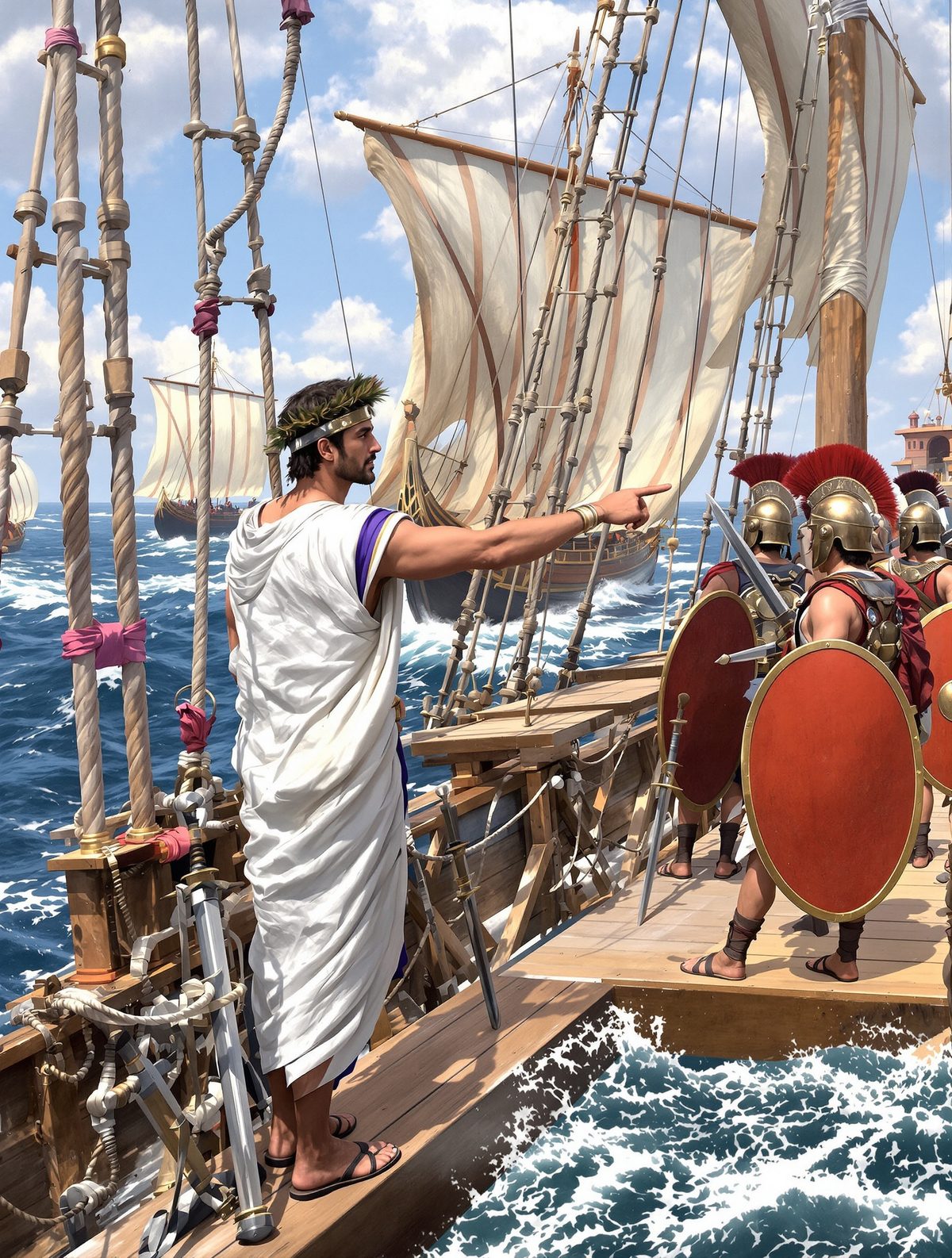
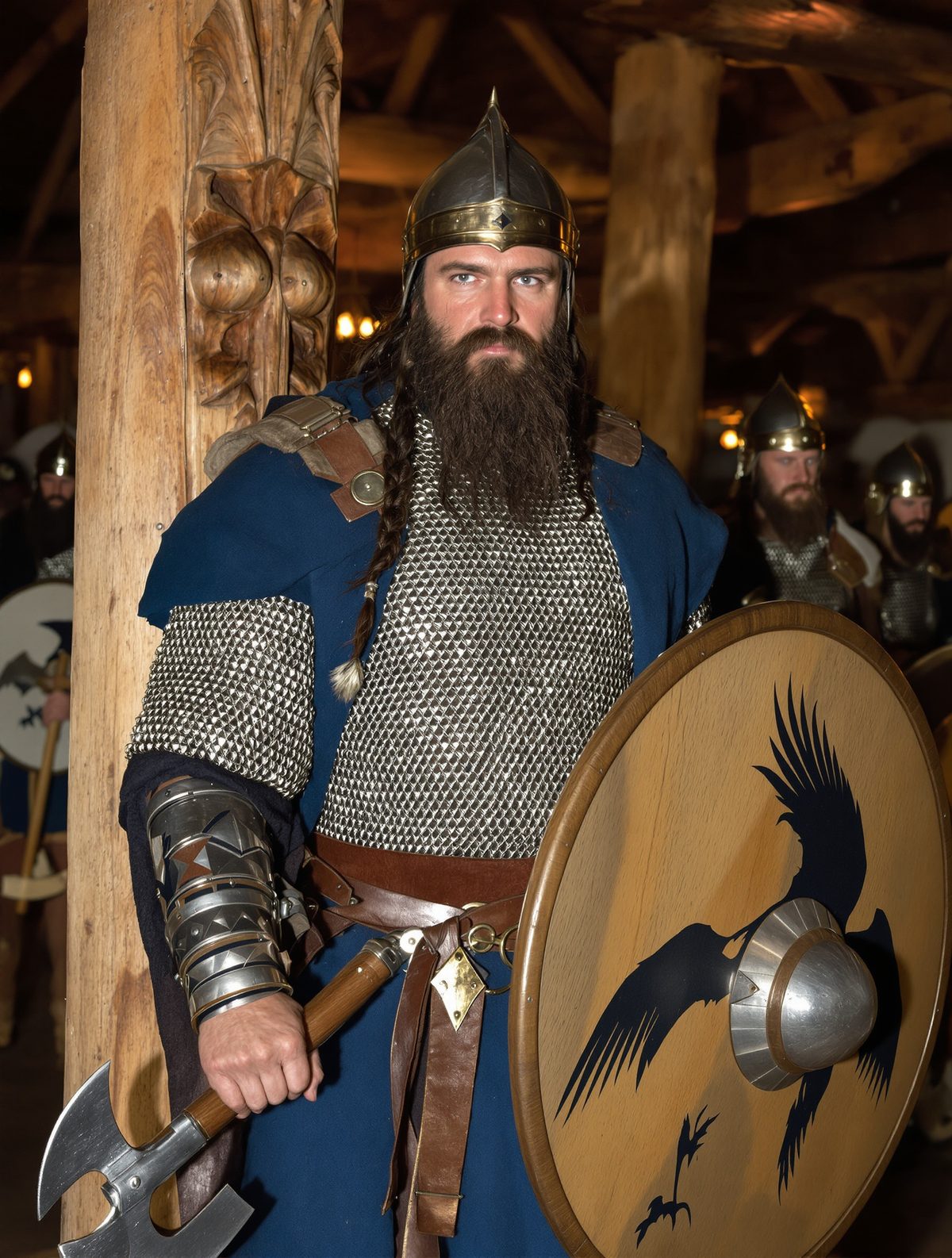
Picture this: 10,000 Greek warriors, veterans of countless battles, sitting around campfires in the heart of the Persian Empire, over 1,000 miles from home. Their generals are dead—murdered at what was supposed to be a peace feast. Enemy armies surround them on all sides. No maps. No clear route home. No experienced commanders left alive.
Then a young man stands up. He's not a general or even a professional soldier. He's a philosophy student, a disciple of Socrates who came on this expedition seeking adventure and knowledge. His name is Xenophon, and he's about to pull off one of the most audacious military retreats in human history.
The year was 401 BC, and these Greek mercenaries—known as the Ten Thousand—had just watched their world collapse. They'd been hired by Cyrus the Younger to help him seize the Persian throne from his brother, Artaxerxes II. But Cyrus was dead, killed at the Battle of Cunaxa, and now they were completely, utterly alone in a vast empire that wanted them dead.
The Philosophy Student Who Became a General
Xenophon was an unlikely candidate for military leadership. Born to a wealthy Athenian family around 430 BC, he'd spent his youth in the intellectual circles of Athens, studying under Socrates and absorbing the great philosopher's teachings about virtue, leadership, and the examined life. When the opportunity arose to join Cyrus's expedition, Xenophon saw it as a chance to see the world—not to become one of history's great military commanders.
But when crisis struck, something remarkable happened. As panic spread through the Greek camp and soldiers began to despair, Xenophon had a dream. In it, Zeus struck his family home with lightning, setting it ablaze. He interpreted this as a divine sign that great change—and possibly glory—lay ahead. The next morning, he called together the surviving officers.
"We have a choice," he told them. "We can sit here and die, or we can fight our way home." What happened next would be remembered for over two millennia.
The Treacherous Feast That Changed Everything
The disaster had begun with what seemed like good news. After Cyrus fell at Cunaxa, the Persian general Tissaphernes approached the Greeks under a flag of truce. The Persian Empire, he claimed, had no quarrel with them personally. If they would just surrender their weapons and trust in Persian mercy, they would be safely escorted home.
The Greek generals, led by Clearchus, weren't fools—they knew better than to disarm. But when Tissaphernes invited them to a diplomatic feast to negotiate terms, they felt they had no choice but to attend. After all, refusing would mean immediate war against impossible odds.
The feast was a trap. As the Greek commanders reclined on Persian cushions, enjoying wine and roasted meats, Tissaphernes gave a signal. Persian guards burst in, seizing the five Greek generals and twenty captains. All were tortured and executed within hours. In one stroke, the Ten Thousand had been decapitated, left leaderless in the heart of enemy territory.
Here's what your history textbook probably never told you: the Greeks had been completely outmaneuvered politically. Tissaphernes had convinced Artaxerxes that these mercenaries represented an existential threat—a Greek invasion force that could inspire other rebellions. The massacre wasn't just treachery; it was calculated geopolitics.
The Birth of Democracy in a Desperate Hour
With their command structure obliterated, the Ten Thousand faced a choice between anarchy and innovation. Xenophon proposed something revolutionary: democratic leadership. Instead of appointing a single commander, they would elect new generals and captains from their own ranks. Every major decision would be put to a vote by the entire army.
This wasn't just military necessity—it was a radical experiment. Here was a Greek army, surrounded by autocratic empires, choosing to govern itself through collective decision-making. The soldiers elected Xenophon as one of their new generals, despite his lack of military experience. His qualifications? He could think clearly under pressure, he could speak persuasively, and perhaps most importantly, he projected confidence when everyone else was paralyzed by fear.
The new democratic army faced staggering odds. They were roughly 1,000 miles from Greek territory, with no reliable maps and no local allies. Persian forces shadowed them constantly, while hostile tribes controlled the mountain passes ahead. They had limited supplies and winter was approaching. Professional military strategists of the era would have considered their situation hopeless.
The March That Defied All Odds
What followed was one of the most extraordinary fighting retreats in military history. For five months, from autumn 401 to spring 400 BC, the Ten Thousand battled their way through the Persian Empire, across the Armenian highlands, and finally to the shores of the Black Sea.
Xenophon proved to be a military genius. He organized the army into a disciplined formation with heavy infantry in the center, light troops on the flanks, and a strong rearguard to fend off pursuing Persians. When they encountered rivers, he supervised the construction of bridges and rafts. When local tribes attacked from mountain heights, he developed new tactics for fighting in rough terrain.
The numbers tell the story of their success: starting with roughly 10,000 men (plus 2,000 non-combatant servants and camp followers), they lost only about 2,500 during the entire retreat. In an age when armies routinely suffered 50% casualties in major battles, this was remarkable.
Perhaps most amazingly, they maintained their democratic decision-making throughout the march. When they reached the Black Sea and had to choose between different routes home, they held a full assembly and voted. When discipline broke down, they held trials and imposed punishments by majority vote. It was Athens in miniature, marching through hostile territory.
"The Sea! The Sea!"
The most famous moment of the entire expedition came when the advance guard finally crested a hill called Mount Theches and saw the Black Sea spread out before them. The cry went up: "Thalassa! Thalassa!"—"The Sea! The Sea!" It was February 400 BC, and after months of brutal mountain warfare, they had finally reached Greek-controlled waters.
Xenophon later described the scene: "When the rearguard heard the shouting, they thought that other enemies were attacking in front... but when the shouting became louder and nearer... they ran forward. And when they all reached the summit and saw the sea, then indeed they embraced each other—generals and captains alike—and wept."
But even this triumph came with a twist your textbooks probably missed: they weren't actually safe yet. The Greek cities along the Black Sea coast were reluctant to help them, seeing the Ten Thousand as dangerous mercenaries who might turn to piracy or conquest. It would take several more months of negotiation, and occasional fighting, before they finally made it back to true safety.
Why This Ancient March Still Matters
Xenophon's march of the Ten Thousand resonates today because it's fundamentally a story about leadership emerging from chaos. When established authority collapsed, ordinary people stepped up to make extraordinary decisions. When traditional military hierarchy failed, democratic innovation succeeded.
The expedition also reveals something profound about human resilience. These weren't superhuman warriors—they were ordinary soldiers, many fighting only for pay, who found themselves in an impossible situation. Yet through collective action and inspired leadership, they achieved what seemed impossible.
Xenophon himself went on to write the Anabasis, his firsthand account of the march, which became one of the most influential military memoirs ever written. Alexander the Great studied it. Roman generals read it. Napoleon owned multiple copies. Even today, military academies teach Xenophon's tactical innovations.
But perhaps the most enduring lesson is this: in our own moments of crisis, when the experts have failed and the established order has crumbled, leadership can emerge from the most unexpected places. Sometimes it takes a philosophy student to show professional soldiers how to find their way home.