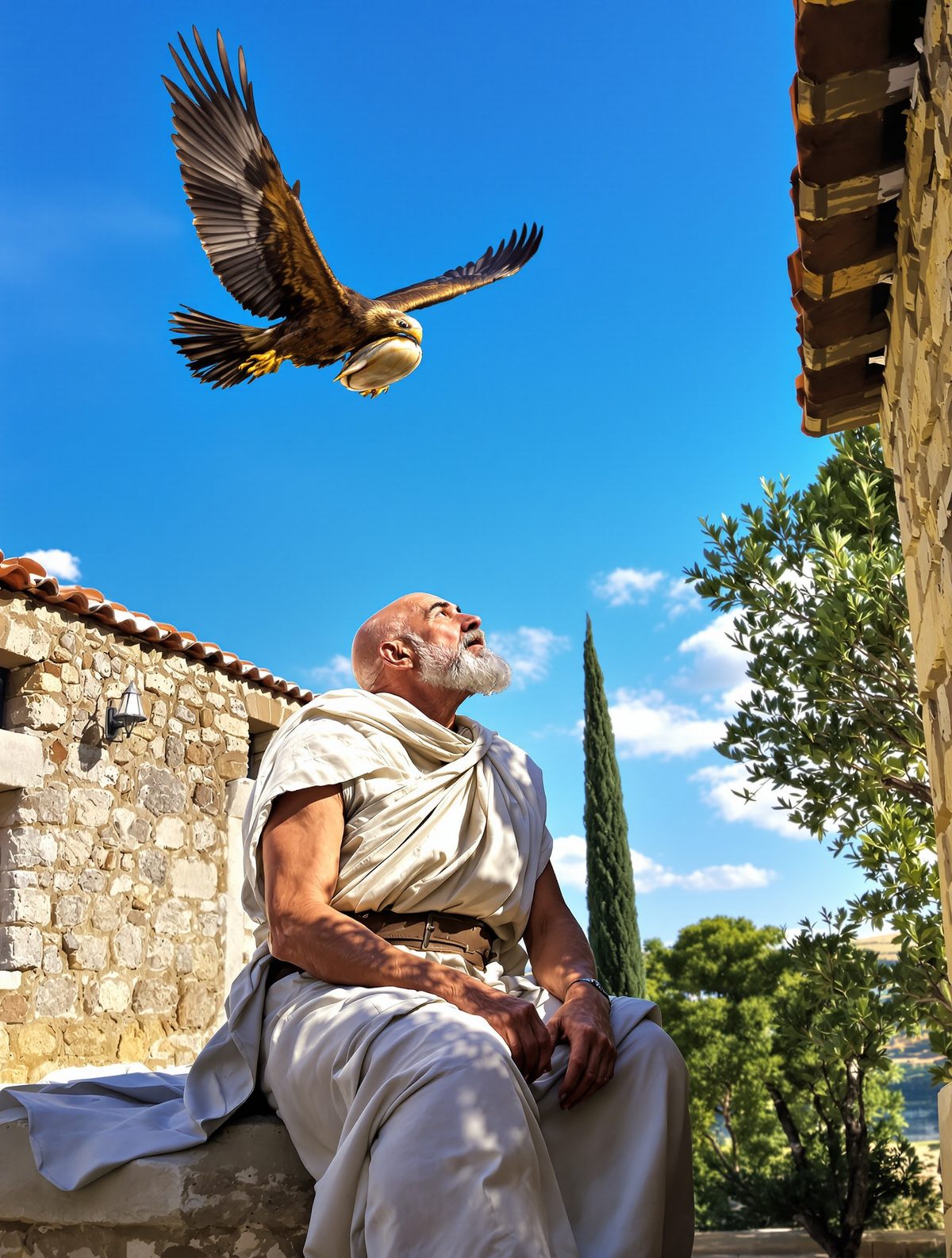
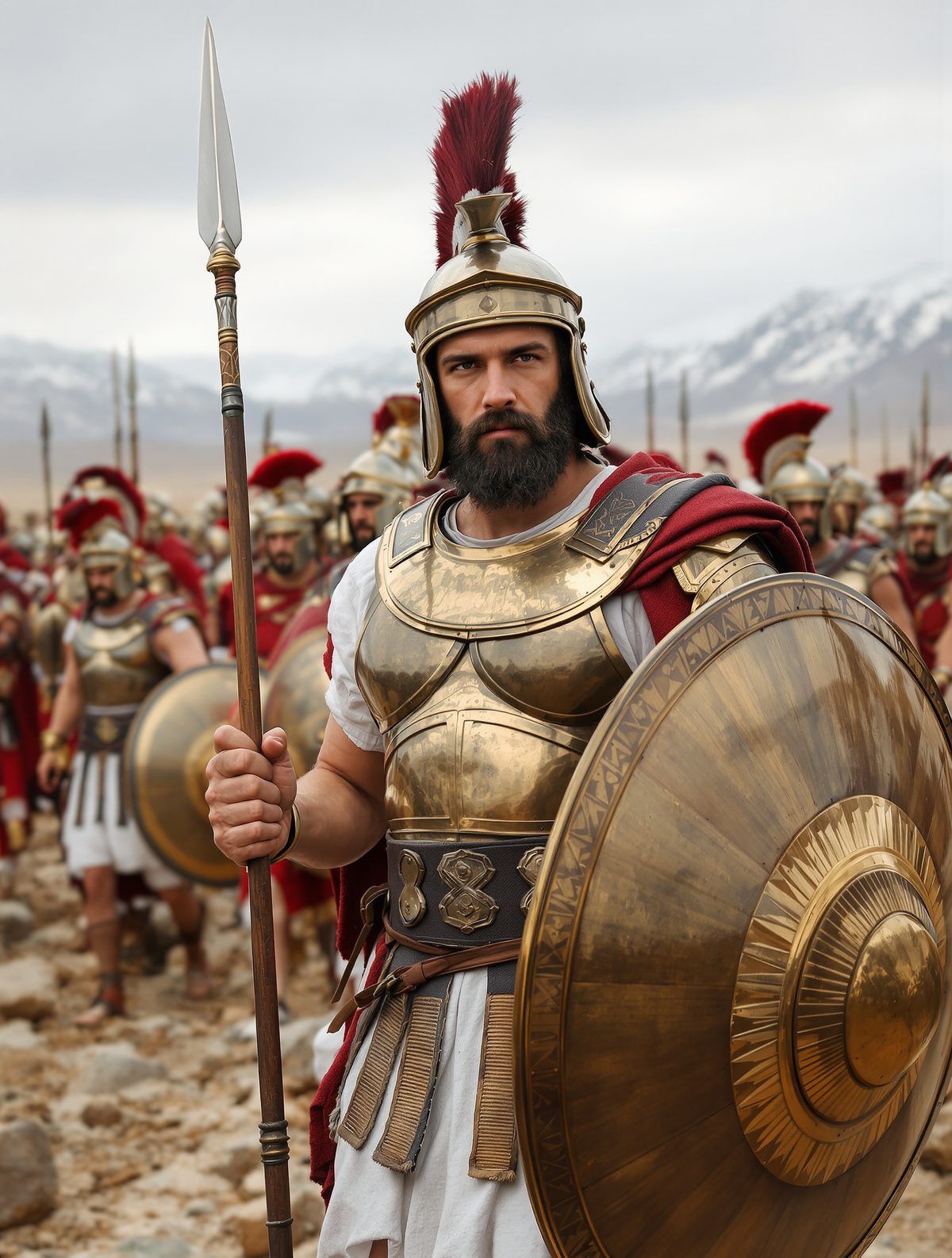
The crowd pressed against the marble columns of the Forum Romanum, their hollow cheeks and desperate eyes telling a story older than Rome itself: hunger. It was 123 BC, and the eternal city was starving. Grain prices had soared beyond reach, children wailed in the streets, and whispers of revolution echoed through the narrow alleyways of the Subura slums. Into this powder keg stepped a young aristocrat with an impossible dream—to make the Roman government feed its people.
Gaius Sempronius Gracchus stood barely five feet tall, but his voice could shake the very foundations of the Republic. What he proposed that day would seem radical even by today's standards: lex frumentaria—a law forcing the state to sell subsidized grain to any Roman citizen who needed it. The senators gasped. The patricians raged. They called it bribery, socialism, the death of traditional Roman values.
They had no idea they were witnessing the birth of the welfare state.
The Hunger Games of Ancient Rome
To understand why Gaius Gracchus's grain law was so revolutionary, you need to picture Rome in 123 BC—not the marble metropolis of Hollywood films, but a sprawling, chaotic city of nearly one million souls crammed into a space smaller than modern Manhattan. The plebs urbana (urban poor) lived in rickety wooden tenements that regularly collapsed or caught fire, sometimes with entire families trapped inside.
Most Romans survived on a diet consisting almost entirely of grain—wheat porridge, barley bread, and little else. When harvests failed in Sicily or Egypt, Rome's primary grain suppliers, the price of wheat could triple overnight. Suddenly, a Roman worker's entire daily wage might buy only enough grain to feed his family for a few hours. Starvation wasn't just a possibility—it was a monthly reality.
The Roman historian Plutarch recorded that during particularly bad famines, desperate citizens would gather in the Forum and demand the Senate "do something." The traditional response was essentially a patrician shrug. The free market would sort itself out, they reasoned. Government intervention was beneath Roman dignity.
But Gaius Gracchus had watched his older brother Tiberius die fighting for land reform just a decade earlier, beaten to death by senators wielding chair legs in 133 BC. He knew that hungry people eventually become angry people—and angry people tear down republics.
The Dangerous Populist
When Gaius won election as tribune of the plebs in 124 BC, the Roman elite collectively held their breath. The Gracchi brothers came from one of Rome's most prestigious families—their grandfather was Scipio Africanus, conqueror of Hannibal—but they had developed an alarming habit of actually caring about poor people.
Gaius possessed something that terrified the Senate: charisma. Unlike the typical Roman politician who spoke in dry legal formulas, Gracchus could make crowds weep with his descriptions of veterans reduced to begging, or roar with fury at tales of corrupt governors. His speeches were so electrifying that women reportedly climbed onto rooftops to catch a glimpse of him speaking in the Forum.
But charisma without substance is just theater. Gracchus had done his homework. He'd studied grain imports, calculated storage costs, and figured out exactly how much subsidized wheat would cost the Roman treasury. His proposal was remarkably specific: any Roman citizen could purchase a monthly ration of grain at 6⅓ asses per modius (about 6 liters)—roughly half the market price during normal times, and a fraction of famine pricing.
The numbers were staggering. At its peak, the grain dole would feed 320,000 Romans daily—nearly one-third of the city's population. This wasn't a small welfare program; it was a complete restructuring of how Rome fed itself.
The Senate Strikes Back
The senatorial opposition was immediate and vicious. Marcus Livius Drusus, a rival tribune bought and paid for by the optimates (conservative faction), stood up in the Senate and delivered what amounted to ancient Rome's first "welfare queen" speech. The grain law, he thundered, would create a generation of lazy citizens dependent on government handouts. It would bankrupt the treasury, encourage sloth, and destroy the Roman work ethic that had built an empire.
Behind closed doors, the real objections were more practical. Rome's grain came primarily from Sicily, Sardinia, and increasingly from Egypt—all provinces where Roman governors and their friends made enormous profits as middlemen. Subsidized grain distributed directly by the state would eliminate their cut of this lucrative trade.
The wealthy also feared the political implications. For centuries, the poor had depended on individual patrons—rich Romans who provided food and protection in exchange for political loyalty. If the government started feeding people directly, the traditional patron-client system would collapse. Poor Romans might start voting for whoever promised them the best deal, rather than whoever their patron told them to support.
In other words, the grain dole would create something completely new in world history: an independent voting bloc of economically empowered poor citizens.
Bread and Circuses Are Born
Despite fierce opposition, Gracchus's grain law passed in 123 BC, and its effects were immediate and dramatic. Long lines formed outside the newly constructed state granaries as citizens lined up with pottery jars and woven baskets to claim their monthly rations. The chronic malnutrition that had plagued Rome's poor began to ease for the first time in generations.
But Gracchus had unleashed forces he couldn't control. Once Romans got used to subsidized grain, they wanted more. Future politicians, seeking to outbid their rivals for popular support, began offering grain at even lower prices. By 58 BC, Publius Clodius Pulcher was giving it away entirely free. The monthly grain distribution became a massive public spectacle, with 320,000 Romans gathering to receive their free wheat.
The poet Juvenal would later coin the phrase "panem et circenses"—bread and circuses—to describe how Roman politicians kept the masses happy with free food and entertainment. But he got the timeline wrong. The circuses came later. Gracchus invented just the bread part, and that was revolutionary enough.
The economic impact was enormous. Modern historians estimate that the grain dole cost roughly 15% of Rome's total annual budget at its peak—equivalent to about $800 billion in today's U.S. federal spending. Rome was spending more on feeding its citizens than most ancient empires spent on their entire military.
The Martyr's End
Gaius Gracchus's story ends in blood, as so many Roman political careers did. In 121 BC, during his second term as tribune, the Senate passed the senatus consultum ultimum—essentially a declaration of martial law—and sent armed men to arrest him. Rather than face capture, Gracchus ordered his slave to kill him in a grove sacred to the Furies, goddesses of vengeance.
The irony was perfect: the man who had tried to prevent revolution through reform became a martyr who inspired future revolutionaries. His grain law outlasted the Republic itself, continuing under Augustus and his successors. Roman emperors understood what Republican senators had refused to accept—in a city of one million people, keeping the masses fed wasn't optional.
The grain dole became so central to Roman identity that when the Vandals cut off wheat shipments from North Africa in 439 AD, it contributed directly to the Western Empire's collapse. Romans had literally forgotten how to feed themselves without government assistance.
The Ghost in Today's Machine
Walk through any modern city and you'll see Gaius Gracchus's ghost everywhere: food stamps, school lunch programs, agricultural subsidies, emergency food relief. The idea that government has a responsibility to ensure its citizens don't starve seems obvious to us now, but it was radical beyond imagination in 123 BC.
Gracchus had stumbled onto one of history's great political truths: economic security creates political stability. Feed people consistently, and they're less likely to overthrow your government. Modern economists have fancy terms for this—"social safety nets" and "transfer payments"—but Gracchus understood the principle with brutal clarity. Hungry people don't stay peaceful forever.
The arguments against the grain dole—that it would create dependency, discourage work, and bankrupt the state—echo through every modern welfare debate. So do the arguments in favor: that no one should starve in a wealthy society, that economic security enables rather than discourages productive work, and that the cost of preventing revolution is always less than the cost of surviving one.
Perhaps most remarkably, Gracchus proved that radical change doesn't require revolution—sometimes it just requires one person willing to stand up and say that feeding hungry people is more important than preserving comfortable inequalities. In our own era of growing inequality and political polarization, that lesson feels remarkably timely. The young aristocrat who priced bread to save Rome had figured out something we're still learning: governments that abandon their people eventually find themselves abandoned in return.