Picture this: You've just survived the bloodiest wars in human history, penned immortal poetry that will echo through millennia, and revolutionized an entire art form. You're sitting peacefully outside your home on a sunny Mediterranean afternoon, perhaps contemplating your next great work. Then—thunk—a tortoise falls from the sky and kills you instantly.
This isn't the plot of a dark comedy. This is how Aeschylus, the father of Greek tragedy and one of history's most celebrated playwrights, met his end in 456 BC. The man who gave us some of literature's most profound meditations on fate, justice, and the capricious nature of the gods became the victim of perhaps the most absurdly ironic death in recorded history.
The Titan of Tragedy
To understand the cosmic joke of Aeschylus's death, you first need to grasp the magnitude of what he accomplished in life. Born around 525 BC in Eleusis, just outside Athens, Aeschylus didn't just write plays—he invented drama as we know it. Before him, Greek theater was essentially one man with a chorus. Aeschylus added a second actor, creating the possibility for dialogue, conflict, and true dramatic tension.
His innovations weren't merely technical. The man penned an estimated 90 plays, of which seven survive today, including masterpieces like The Oresteia trilogy and Prometheus Bound. These weren't light entertainment for the masses—they were profound explorations of justice, revenge, divine will, and human suffering that continue to be performed and studied 2,500 years later.
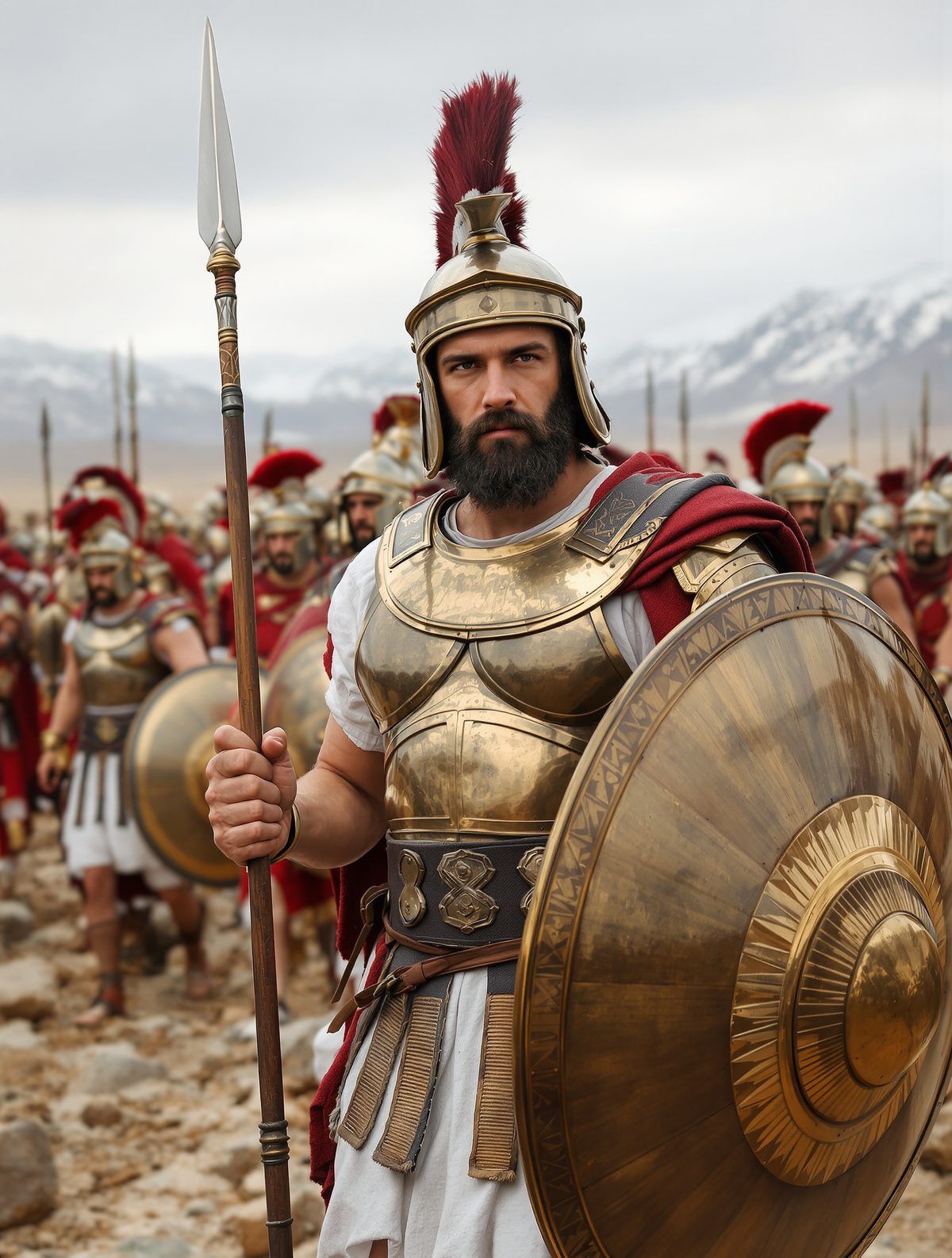
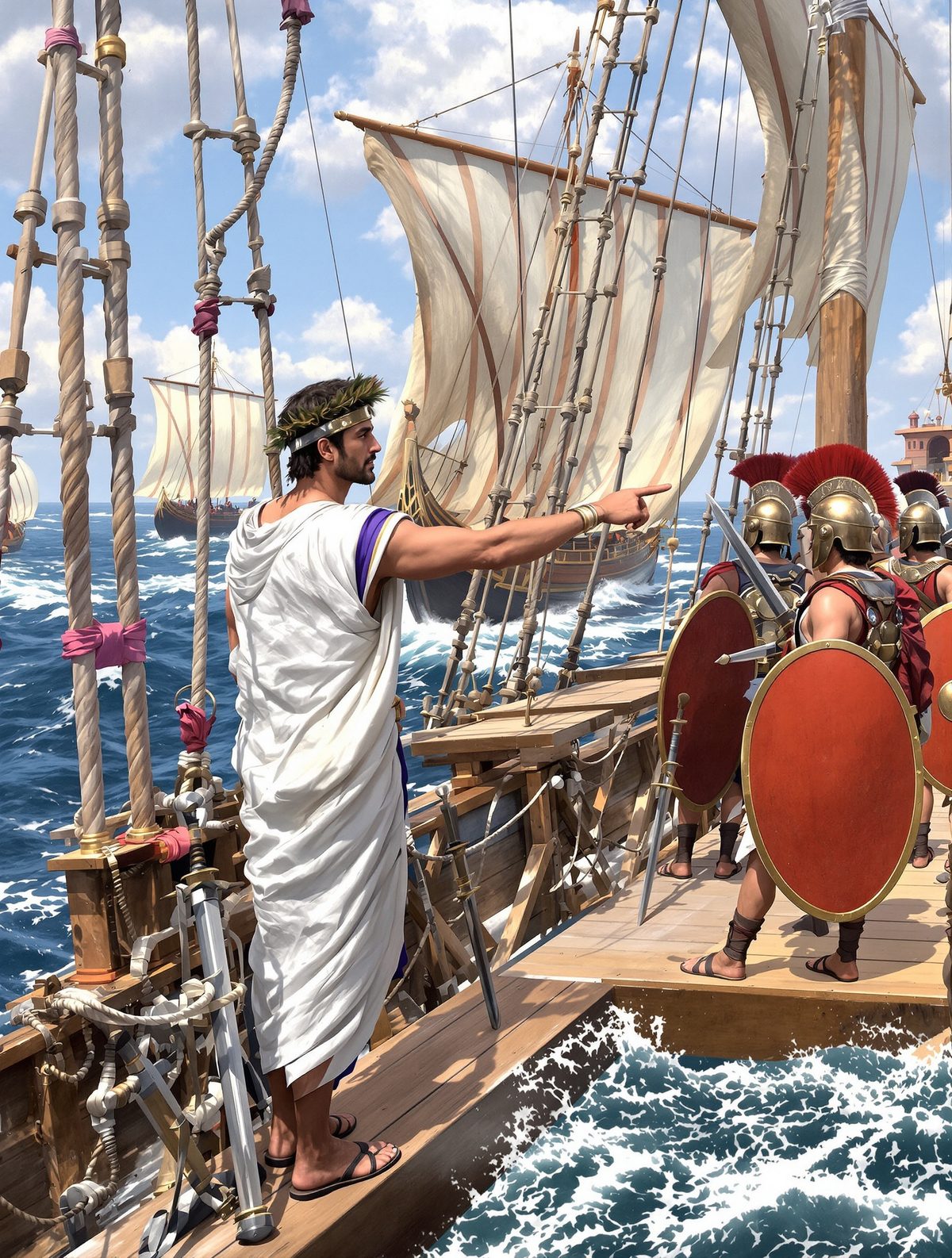
But Aeschylus wasn't just a playwright lounging in intellectual circles. This was a man who fought at Marathon in 490 BC, one of the most famous battles in ancient history, where outnumbered Greeks defeated the mighty Persian Empire. He likely also fought at Salamis in 480 BC, the naval battle that saved Western civilization from Persian conquest. When Aeschylus died, his epitaph didn't even mention his literary achievements—it simply recorded that he had fought at Marathon, a testament to how the Greeks valued military service above artistic genius.
The Sicily Years: Exile and Ambition
By 456 BC, the aging playwright had retreated to Sicily, specifically to the city of Gela on the island's southern coast. This wasn't necessarily a peaceful retirement. Some sources suggest Aeschylus left Athens after losing a dramatic competition to the younger Sophocles, while others hint at political troubles. The democratic reforms sweeping Athens may have left the traditional-minded Aeschylus feeling like a relic of a bygone era.
Sicily in the 5th century BC was a land of opportunity for ambitious Greeks. The island was dotted with prosperous Greek colonies that attracted artists, philosophers, and intellectuals with promises of patronage and freedom from the increasingly volatile politics of mainland Greece. Gela itself was founded by Greeks from Rhodes and Crete in 688 BC and had grown into a significant cultural center.
Here's something they don't teach you in school: Aeschylus's move to Sicily wasn't just about avoiding political headaches. He was likely working on new plays for Syracusan audiences and may have been involved in establishing dramatic festivals throughout the Greek colonies. The man was 69 years old—ancient by the standards of the day—but he wasn't finished creating.
Death from Above: The Tortoise Incident
The details of what happened next come primarily from the ancient biographer Valerius Maximus, writing centuries later, though the story was apparently well-known enough to be referenced by multiple ancient sources. On a day that started like any other in 456 BC, Aeschylus was sitting outside his house in Gela when an eagle soared overhead, clutching a tortoise in its talons.
Now, here's where the story gets both tragic and absurdly comic. Eagles, particularly the golden eagles common in Mediterranean regions, have a well-documented hunting technique for dealing with tortoises. Unable to penetrate the hard shell with their beaks or talons, they carry their prey high into the air and drop them onto rocks, cracking them open for an easy meal.
According to the ancient accounts, the eagle circling above made a fatal error in target identification. Looking down, it spotted what appeared to be a perfect rock—smooth, rounded, and presumably hard enough to crack open its lunch. What it actually saw was the bald head of the greatest tragedian in history.
The tortoise plummeted from the sky and struck Aeschylus on the head with enough force to kill him instantly. Just like that, one of the most brilliant minds of the ancient world was silenced forever by a case of mistaken identity involving a confused bird and an unfortunate reptile.
Fact, Legend, or Cosmic Justice?
Modern readers might wonder: did this really happen, or is it just an entertaining legend? The truth is more complex than a simple yes or no. Ancient biographers had different standards than modern historians—they were as interested in capturing the essence of a person's character as they were in recording verifiable facts.
But here's the fascinating part: there's nothing scientifically implausible about the story. Golden eagles absolutely do drop tortoises from great heights—it's a documented behavior that continues today. Tortoises dropped from sufficient altitude can reach terminal velocities that would easily prove fatal to a human. And eagles, while possessing sharp eyesight, aren't infallible in their judgment.
What makes the story so compelling isn't just its absurdity—it's the poetic justice of it all. This was a man who spent his entire career exploring themes of fate, divine retribution, and the unexpected reversals of fortune that await even the mightiest mortals. His plays are filled with kings brought low, heroes destroyed by hubris, and the constant reminder that the gods love to humble human pride.
Some ancient sources even claim that an oracle had warned Aeschylus to beware of a "falling object from above," leading him to spend his final years avoiding buildings and seeking open spaces—which, if true, would make his death even more ironically perfect.
The Legacy of an Absurd Death
Aeschylus's bizarre demise quickly became the stuff of legend throughout the ancient world. Writers from Pliny the Elder to later Byzantine chroniclers repeated the story, often with embellishments. It became a kind of philosophical parable about the unpredictability of fate and the vanity of human plans.
But here's what's truly remarkable: despite the comic circumstances of his death, Aeschylus's literary reputation never suffered. If anything, the tortoise incident became part of his mystique. Ancient audiences, who believed deeply in the involvement of gods in human affairs, saw a kind of dark poetry in the playwright's end—the creator of tragedies becoming the subject of one himself.
The incident also raises fascinating questions about historical memory. Why did this particular death story survive when so many other details of ancient lives have been lost? Perhaps because it perfectly encapsulated something essential about the human condition that Aeschylus himself had explored in his work: the tension between our grand ambitions and the absurd, arbitrary forces that can cut them short at any moment.
What the Tortoise Teaches Us
Aeschylus's death by falling tortoise might seem like nothing more than an amusing historical footnote, but it carries surprising relevance for our modern world. In an age where we obsess over controlling every variable, optimizing every outcome, and managing every risk, the playwright's fate serves as a humbling reminder that some things remain forever beyond our control.
The story also highlights the democratic nature of mortality. It doesn't matter if you're a literary genius who fought at Marathon and revolutionized an entire art form—a tortoise from the sky will kill you just as dead as it would anyone else. There's something almost comforting in that cosmic equality.
Perhaps most importantly, Aeschylus's absurd end reminds us not to take ourselves too seriously. The man who created some of the most profound meditations on human dignity and divine justice became a cautionary tale about the universe's sense of humor. His death was tragic, yes, but also undeniably ridiculous—and maybe that's the most human thing of all.
In the end, Aeschylus got exactly the kind of death that might have appeared in one of his own plays: unexpected, ironic, and loaded with meaning that audiences would debate for centuries. The father of tragedy became the subject of the greatest tragicomedy never written, proving that sometimes reality surpasses even the most creative imagination.