Vera Lynn never carried a weapon into battle. Yet, on the frontlines of history during the Second World War, she wielded a power that no artillery could match.
Into the Heart of the Jungle
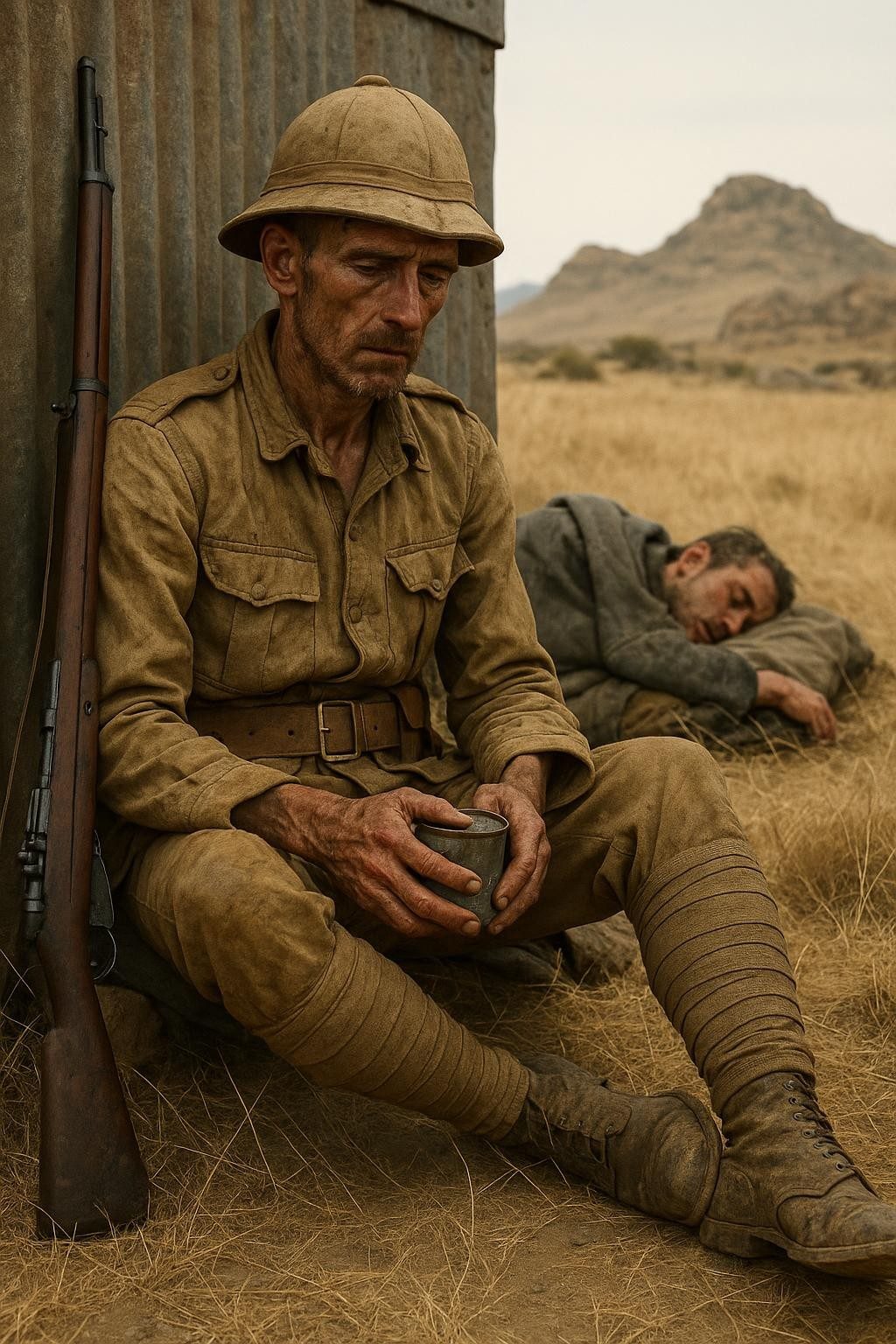
In the sweltering depths of the Southeast Asian jungle in 1944, where the air was thick with humidity and the ever-present hum of unseen creatures, the Fourteenth Army was fighting a war many had already chosen to forget. Dubbed the "Forgotten Army," these men trudged through the dense foliage of Burma, cut off from the world they had left behind, their sacrifices overshadowed by the more publicized theaters of war. But when Vera Lynn stepped onto Burmese soil, she brought with her a piece of home that the soldiers had long yearned for.
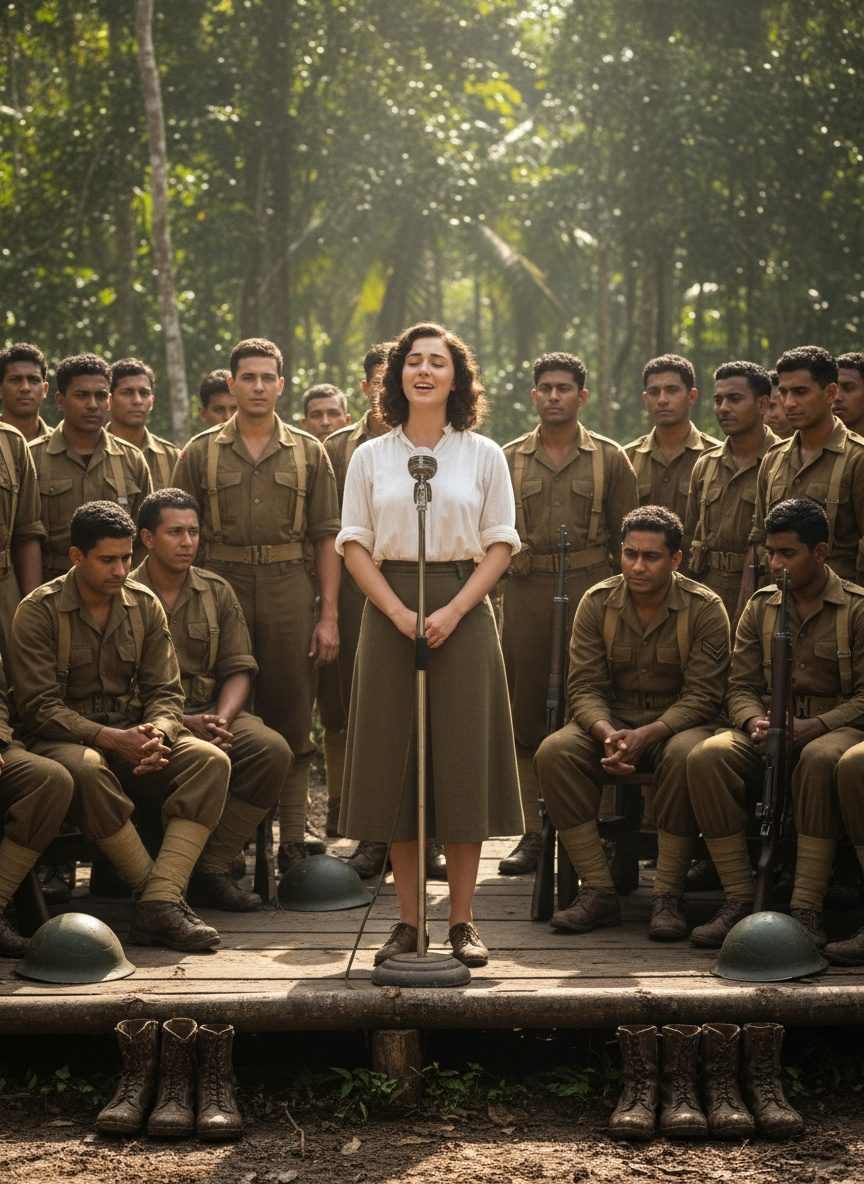
Most entertainers of the time preferred the security of Britain’s theaters or perhaps the occasional USO tour. But Vera, already a celebrated voice on BBC airwaves back home, decided her place was not in the comfort of a broadcasting studio. Instead, she journeyed to Burma with an unwavering purpose—to stand among the soldiers who needed hope as much as they needed reinforcements. Her mission was remarkable not for its theatrics, but for its humanity. She sang not from a secluded stage but from makeshift platforms surrounded by soldiers—men whose weary eyes glistened in gratitude as they listened to familiar refrains of "We'll Meet Again."
The journey itself was not without peril. The planes that carried Vera and her companions to the remote jungles were prone to engine failures, and the threat of enemy interception lingered constantly. Nonetheless, Vera was undeterred, driven by the understanding that her voice could offer solace and perhaps a momentary escape from the harsh realities of war. In this way, without rank or rifle, she became a cherished figure among the troops, their unofficial morale officer in foreign fields.
Beyond the Song Sheets
The impact of Vera Lynn’s visit was immediate and profound, transcending her role as a singer. Unlike broadcasts or recorded albums, her live performances in Burma were singular and unrepeatable moments that restored something intangible to the soldiers—a sense of connection. She wasn’t merely an entertainer; she was a bridge to a life that for many had become a distant memory.
Vera’s presence cut through the mundanity of rations and the relentless monsoons. Her songs evoked images of home—lush green fields instead of muddy trenches, the sound of loved ones, and the gentle whisper of freedom. The simple, heartfelt lyrics carried on the humid air of the jungle had the potency to rally spirits and fortify the resilience of hearts battered by the relentless nature of warfare. Vera was highly aware of the roles these tender moments played in bolstering the will to carry on, which was possibly why she felt her most important performances were not in grandiose concert halls but on these makeshift stages, under the threat of the enemy, before an audience who needed it most.
Her visit became folklore, part of the rich tapestry of narratives shared within the ranks of the Fourteenth Army. Soldiers would recount the deep sense of gratitude they felt upon hearing her music, each story a powerful testament to the difference she made—not only through her melody but through her presence. The sense of camaraderie that her songs sparked would linger long after the last note faded, etching the memory of a young woman who, without ever donning a uniform, enlisted herself into their hearts.
The Sweetheart Forevermore
As the war drew to its weary close in 1945, the story of Vera Lynn and her journey to Burma resonated with a nation seeking closure and celebration. Although the soldiers of the Fourteenth Army were often lost in the grand narrative of the war, their fond remembrance of Vera's visit ensured that her legacy endured. She had become their "Forces' Sweetheart," a title born not out of official decree, but out of an emotional bond forged in difficult times.
In recognition of her contributions, Vera Lynn received countless accolades, but none were as heartfelt as the undying devotion of the men whom she serenaded in the humid jungle months. For decades after, her voice would echo through the memory of those who could still recall the strain and promise embedded within her songs. Each note was laden with the unspoken understanding that, though their path was daunting, they were not alone in their journey.
Today, in a world where so many tales of bravery go unsung, the story of Vera Lynn in Burma stands as a poignant reminder of the myriad ways courage manifests itself during war. Her bravery lay in reaching beyond the safety of her circumstances to touch the lives of those fighting for a semblance of normalcy in the aberrant realities of conflict. Her journey through the jungle wasn’t just a performance tour; it was an act of supreme empathy. It showed that even amidst humanity's darkest hours, music could light the way forward, ensuring that soldiers remembered who they were fighting for—and that those at home never forgot them.