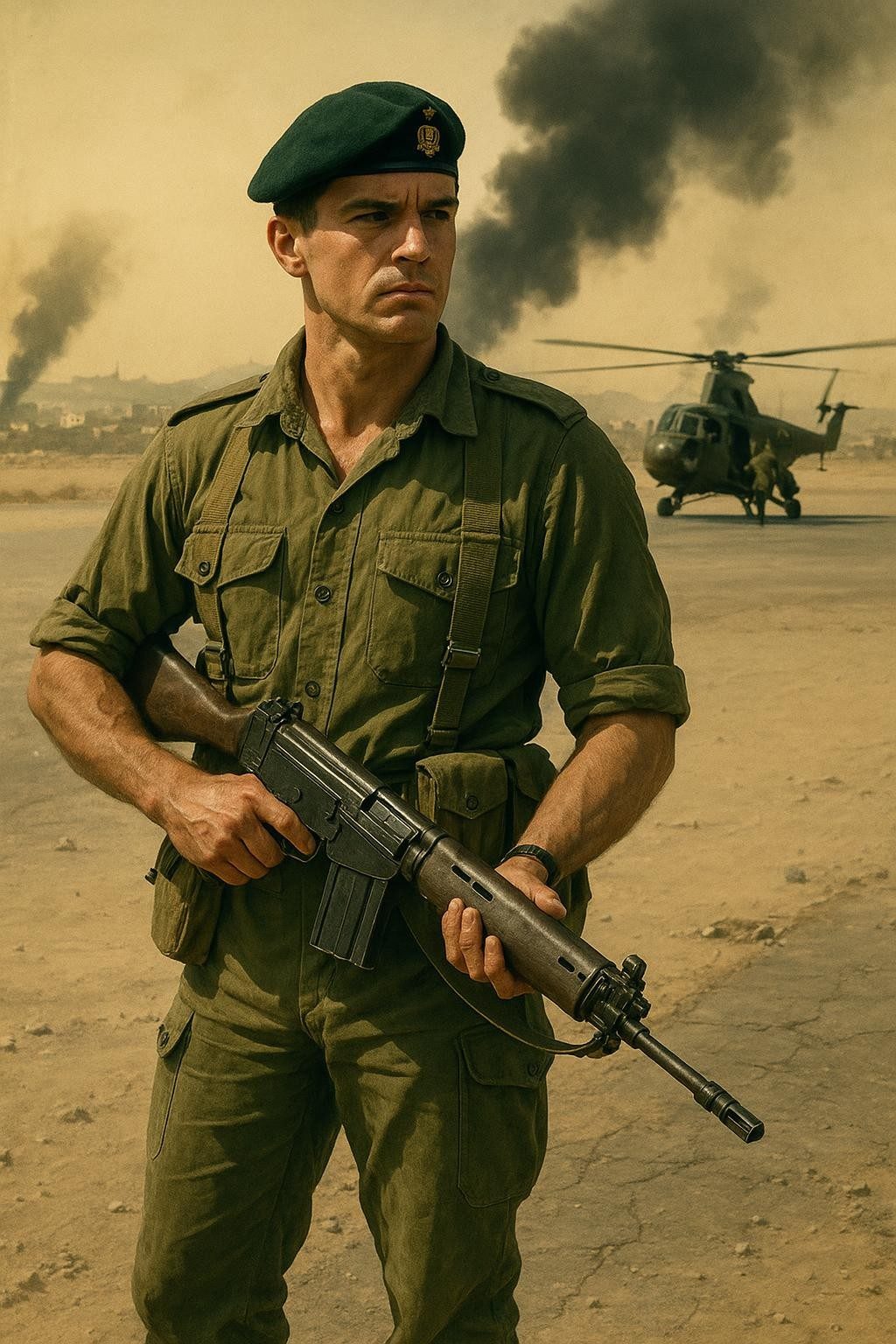
The air in Aden was as thick as the palpable tension rippling through the city. On that late November day in 1967, the sun blazed over a region known for its harsh climate, casting long shadows that mingled with the smoke rising from the city’s turmoil. As palm fronds swayed languidly in the hot, dry wind, the echo of gunfire punctuated the distant cries of a populace on the brink of chaos. Amid this turmoil, the last vestiges of British colonial presence were quietly slipping away, leaving behind a house of cards teetering on the edge of collapse.
The Empire’s Last Outpost
For 128 years, Aden had been a British crown colony, strategically located at the crossroads of Asia, Africa, and the Middle East. This small yet significant patch of Arabian soil represented a critical maritime link—a refueling point for ships traveling between Europe and India. With its bustling port and eclectic mix of cultures, Aden was a jewel in the imperial crown, fiercely held and stubbornly defended.
The labyrinthine alleys of Crater, Maalla, and Tawahi were more than just urban landscapes; they were repositories of the colonial past. British soldiers often patrolled these streets with a wary eye. The whitewashed buildings, now pockmarked by shells, stood as testament to years of colonial tension simmering beneath the surface. By 1967, however, the winds of change were blowing decisively across this cityscape, carrying with them the implacable mantra of self-determination and decolonization.
A Withdrawal Under Siege
The announcement was swift, following Britain's realization that holding onto Aden amidst political unrest was untenable. As the days counted down to their departure, an uneasy peace gave way to an atmosphere rife with uncertainty and fear. The National Liberation Front and the Front for the Liberation of Occupied South Yemen were fighting for control, and every street corner became potential flashpoints for violence.
The plan was simple in essence but fraught with danger: a phased military withdrawal culminating in the extraction of the last British forces—Royal Marines, steadfast as ever—under the exigent circumstances of imminent attack. There would be no triumphal arches, no farewell marches with regimental bands, only the eerie quiet interrupted by sporadic outbursts of violence. The meticulous withdrawal was intended to prevent the power vacuum from spiraling into bloodshed, showcasing the often understated nature of historical transitions.
Guardian Princes of the Past
Over the years, formidable contingents like the Royal Marines had been the linchpin holding this powder keg in check. Known for their stoic commitment and indomitable spirit, they had a celebrated reputation for performing under pressure. Their task, this time, was not one of advancing but of defending a withdrawing line in an increasingly untenable position. Each painstakingly defended yard was another step closer to the helicopters waiting to whisk them away from escalating chaos.
The Marines had to grapple with the unpredictable nature of urban warfare—a treacherous enterprise where every bullet might mark the difference between life and death. They had trained for conventional warfare, yet here they found themselves adapting to a fight where shadows moved stealthily and friends morphed into foes without warning. As they withdrew, the staccato burst of gunfire served as a reminder of the lives they were leaving behind in a city that had become their silent adversary.
The Silent Retreat from History
One by one, the ordered lines thinned out, the helicopters becoming their retreating clarions. The very earth seemed to lament the passing of an era as each boot left the soil it had trod for generations. They held their perimeters steadfastly until the bitter end, allowing time for comrades to reach the safety of the waiting aircraft.
No speeches heralded their departure; no local leaders stood to follow the press of formally dressed dignitaries. With each helicopter's ascent, the sounds of rotor blades provided both a farewell hymn and a lamentation for an empire unraveling. As the last of the British silhouettes disappeared into the grey sky, silence reclaimed the rebellious streets of Aden.
A Tale for Future Echoes
In the annals of decolonization, the Fall of Aden often receives but a footnote compared to the more ceremonious handovers of empire. Yet, in the unceremonious withdrawal from these ancient lands lies a poignant narrative. The swift departure under duress, rather than traditional ceremony, encapsulates the raw complexity of relinquishing empire—the unfinished sentences left by power’s abrupt withdrawal.
This was the legacy of Aden: a stark reminder of the shifting global landscape and the somber realization that sometimes the page is turned not with grandiose gesture but with the silent march of history. The retreat from Aden was not just the end of British rule in this remote outpost, but also a vivid reminder of the uneasy, often unpoetic way empires unravel. In the haunting silence of those deserted streets, we glimpse the echoes of history, always moving, always unrelenting. The lessons left behind tell us as much about power's persistent shadow as they do about the light of independence rising to meet the dawn.