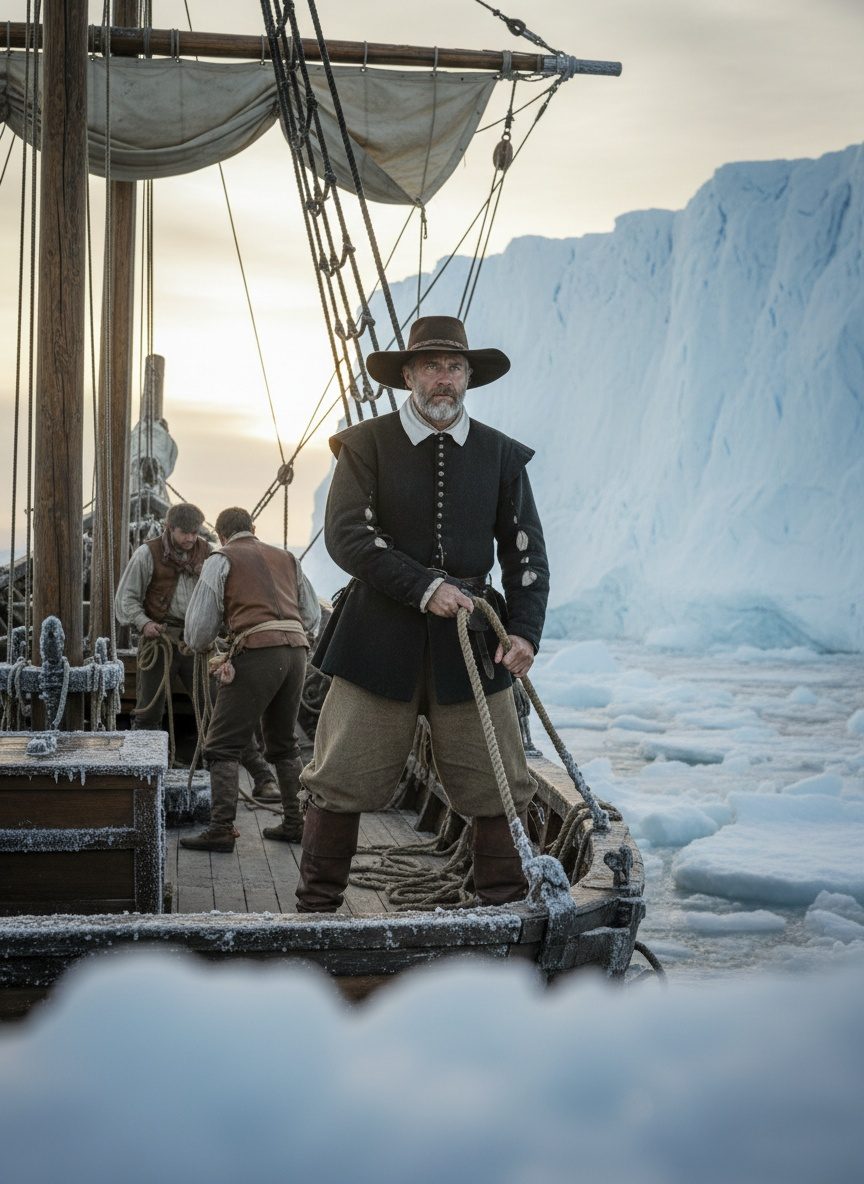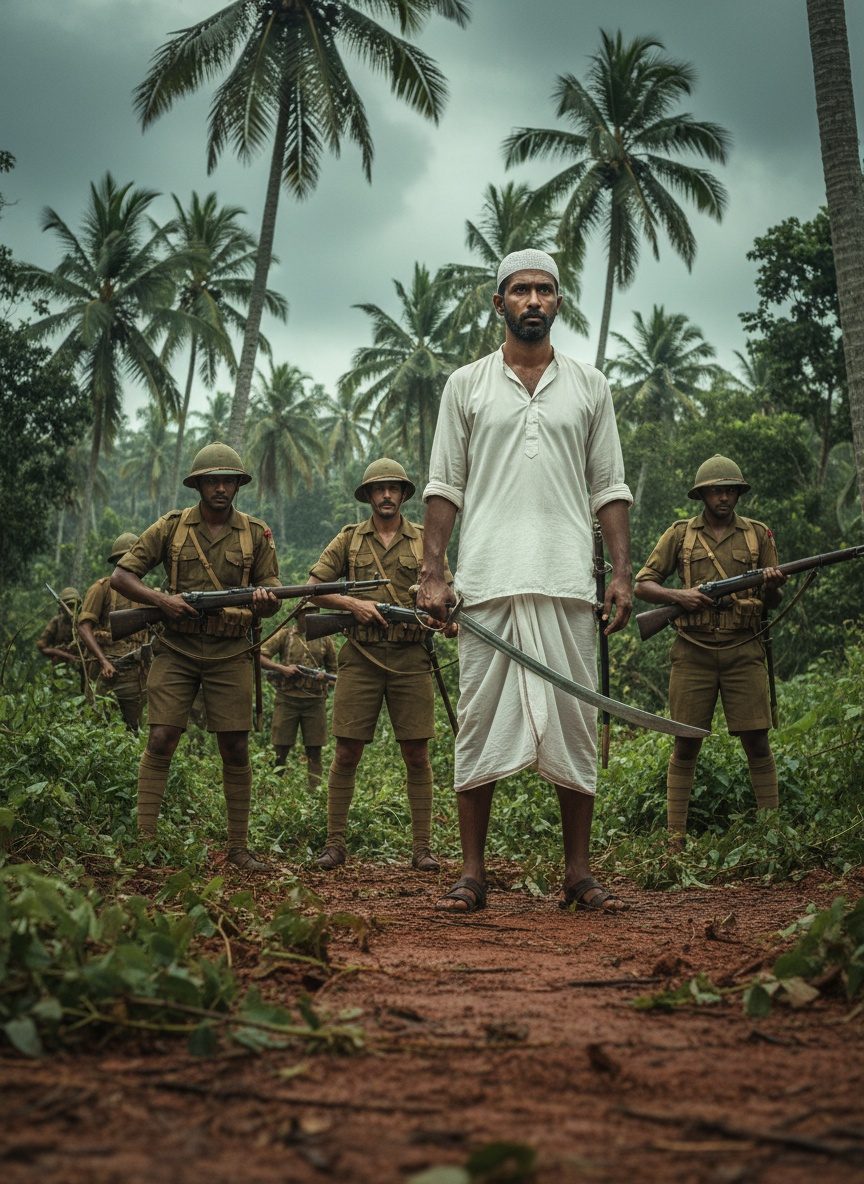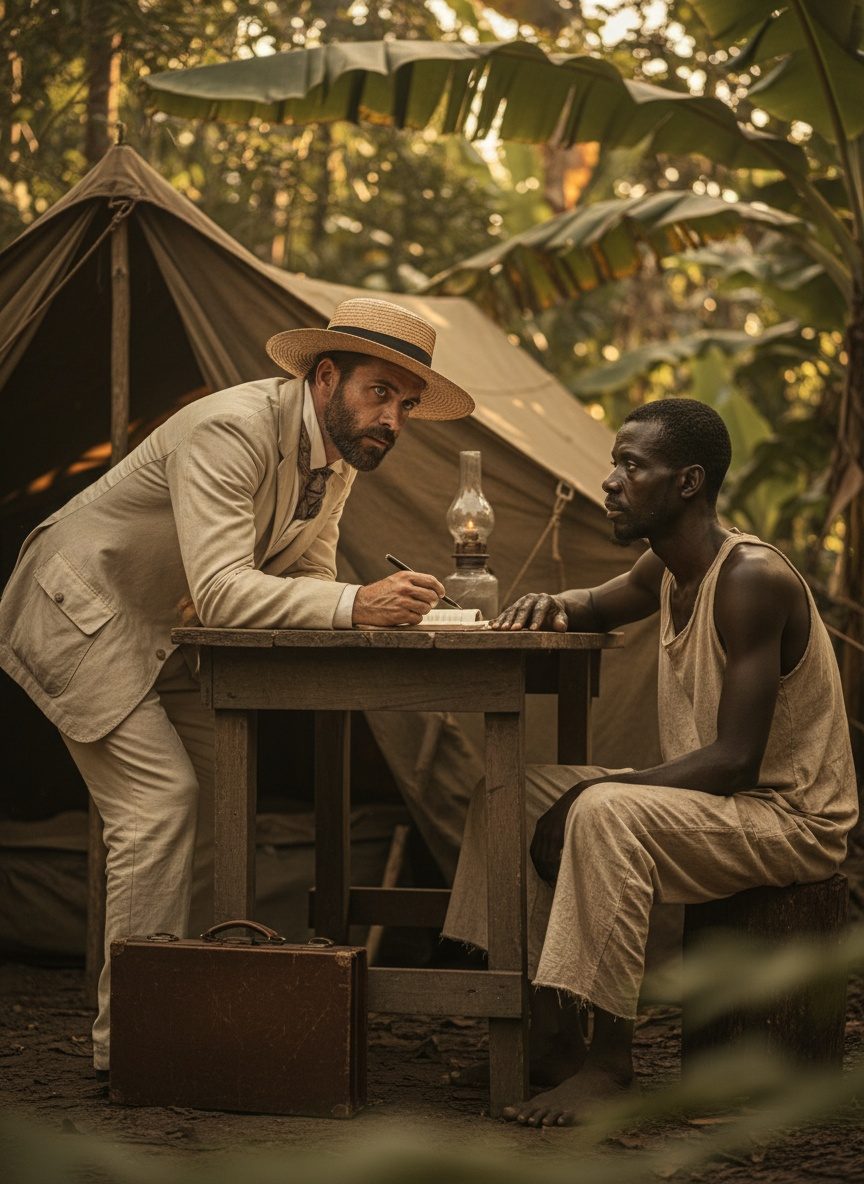
The scent of rain mixed with the musk of the jungle, a palpable tension that seemed to hang as heavily as the dark clouds above. Roger Casement brushed aside a thick wall of vines, stepping into the clearing that had blighted his restless sleep with images of terror. Before him, the remains of a once vibrant village lay like a battlefield silent in defeat. It was here, amidst the charred husks of huts and the ominous quiet that followed destruction, that Casement began to grasp the scope of the horror hidden in the heart of the Congo Free State.
The Heart of Darkness Exposed
On landing in the sullen, humid air of Boma, the capital of the Congo Free State, Casement could never have predicted the scale of the nightmare that awaited him. The jungles seemed to swallow his every step as he ventured deeper into the territory controlled by King Leopold II of Belgium. Ostensibly, he was here under the auspices of ensuring trade and humanity flourished. What he instead found were stories told in hushed tones, of men and women in chains, their hands crudely severed as trophies, of villages razed, and the cries of a people left bereft of hope.
His mission had originally been simple: investigate the rumors of abuse. Yet, as days turned into weeks, Casement became a solitary crusader against the darkness within. He spoke with men whose bodies bore the scars of unimaginable whippings, women who had been forced to watch their children taken as collateral for unpaid rubber quotas, and children whose eyes spoke of traumas beyond their years. Every testimony he carefully documented in a notebook, a testament to the human cost behind every pound of rubber that swelled European coffers.
A story began to unfold around him of Leopold's exploitative regime, one that regarded the Congolese as mere cogs within a relentless machine of wealth extraction. It was industrial-scale brutality, hidden from the world by the veil of distance and denial. Yet now, with each name he jotted down and each fear-laden whisper he cataloged, Casement was pulling back this veil, determined to bring these forgotten voices to the attention of those who could no longer look away.
The Courage to Bear Witness
Casement's journey was marked by more than just the physical duress of traversing the oppressive terrain. His greatest challenge lay in the emotional weight of bearing witness. How does a single voice rise above the deafening roar of empire and greed? Yet rise it did, as Casement meticulously assembled the pieces of a horrid puzzle. His report was not a mere collection of facts; it was a searing indictment of man's inhumanity to man, articulated with a moral clarity that neither Europe nor the world could afford to ignore.
When the report finally reached the corridors of power in London, it ignited a storm of indignation and compelled a dialogue that Leopold had long avoided. Casual talk of the "civilizing mission" of Europe faced the harsh mirror of its own deceit. The Congo atrocity was a stain that demanded action, and those in authority could no longer offer their tacit complicity through silence. Casement delivered a blow that would shake the very foundations of colonial complacency, and his unwavering integrity proved the catalyst for international outcry.
The conundrum was not one of fact but of conscience. How could an ostensibly civilized society condone such barbarism? His eloquence and passion prompted questions about the ethics of empire that rippled far beyond Africa’s shores, touching the nerve of an imperial world built on exploitation. The report forced Britain to confront the uncomfortable truth that their narrative of progress and civilization was a facade built on suffering and ignorance.
The Echo of Casement’s Crusade
The aftermath of Casement’s revelations came to define a pivotal moment in the broader narrative of human rights. Other nations joined in the call for accountability, prompting reforms that, although imperfect, began the slow process of holding colonial powers responsible for their actions. Casement’s efforts became a cornerstone in the rising awareness of individual responsibility amidst systemic cruelty, patiently reminding those who read his words or heard his testimony that no chain is unbreakable once the will to act has been forged.
Roger Casement was later knighted for his service, his report a watershed moment within the annals of human rights. However, the legacy of his work was bittersweet. Despite the global condemnation, change in the Congo came at an achingly slow pace, with exploitation replaced by new kinds of subjugation. Yet, Casement lit a beacon of hope, its light illuminating the potential for justice amidst the murk of imperial ambition.
History is often penned by the victors, but the truths Casement unearthed remind us that power must be wielded with accountability. His story is a sobering reminder that the names and faces of those who endured the darkest chapters must never be forgotten. In our contemporary world, Roger Casement's courage continues to resonate, urging us to remain vigilant against oppression and steadfast in our pursuit of truth. In remembering his path through the jungle, we honor not just the tales of those he sought to save but also the unyielding belief that justice, though oft delayed, need never be denied.