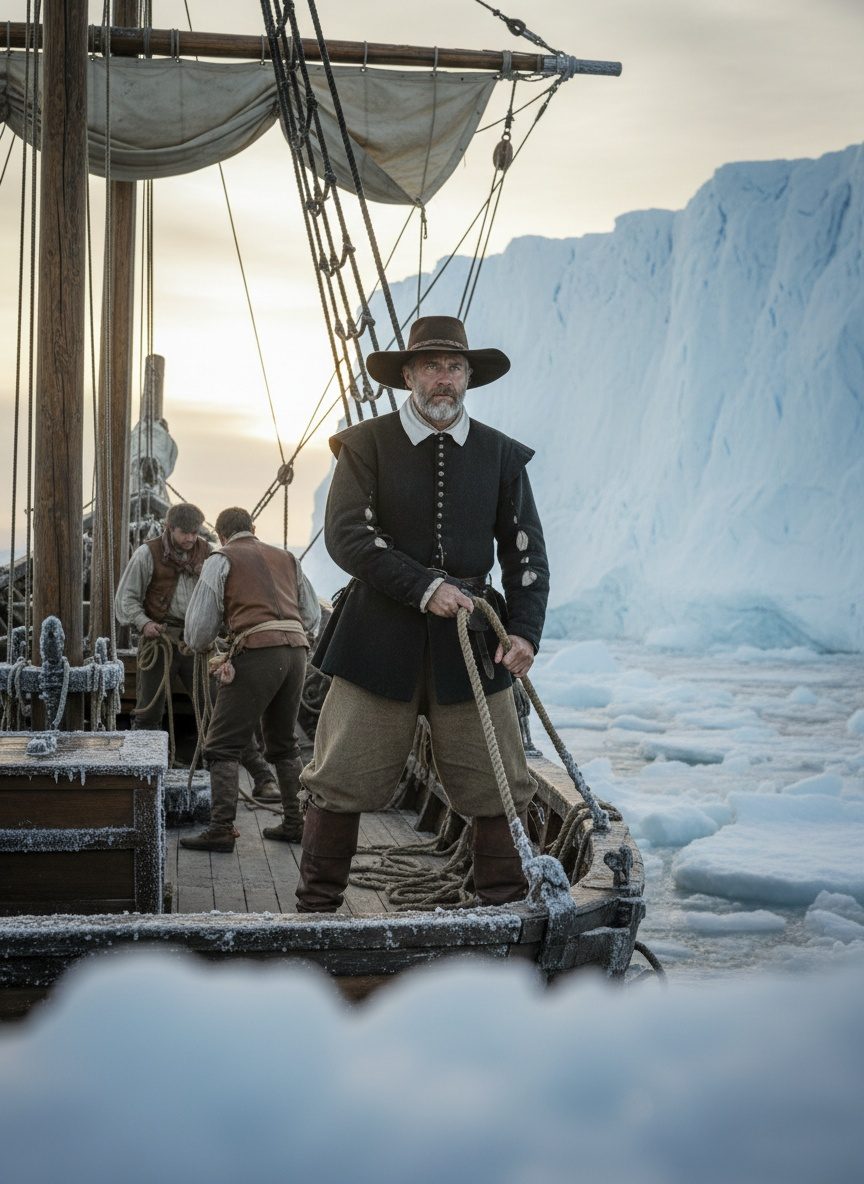
He was forty-six years old. Most believed Edward Pellew would never achieve glory at sea again. Yet, in the notorious winter squalls of 1797, Pellew and his crew would defy history, as the odds against them seemed nothing short of insurmountable. The HMS Indefatigable was about to undertake one of the most astonishing naval pursuits ever recorded, confronting a French giant with twice the firepower and a daunting capacity for destruction.
The Unyielding Pursuit
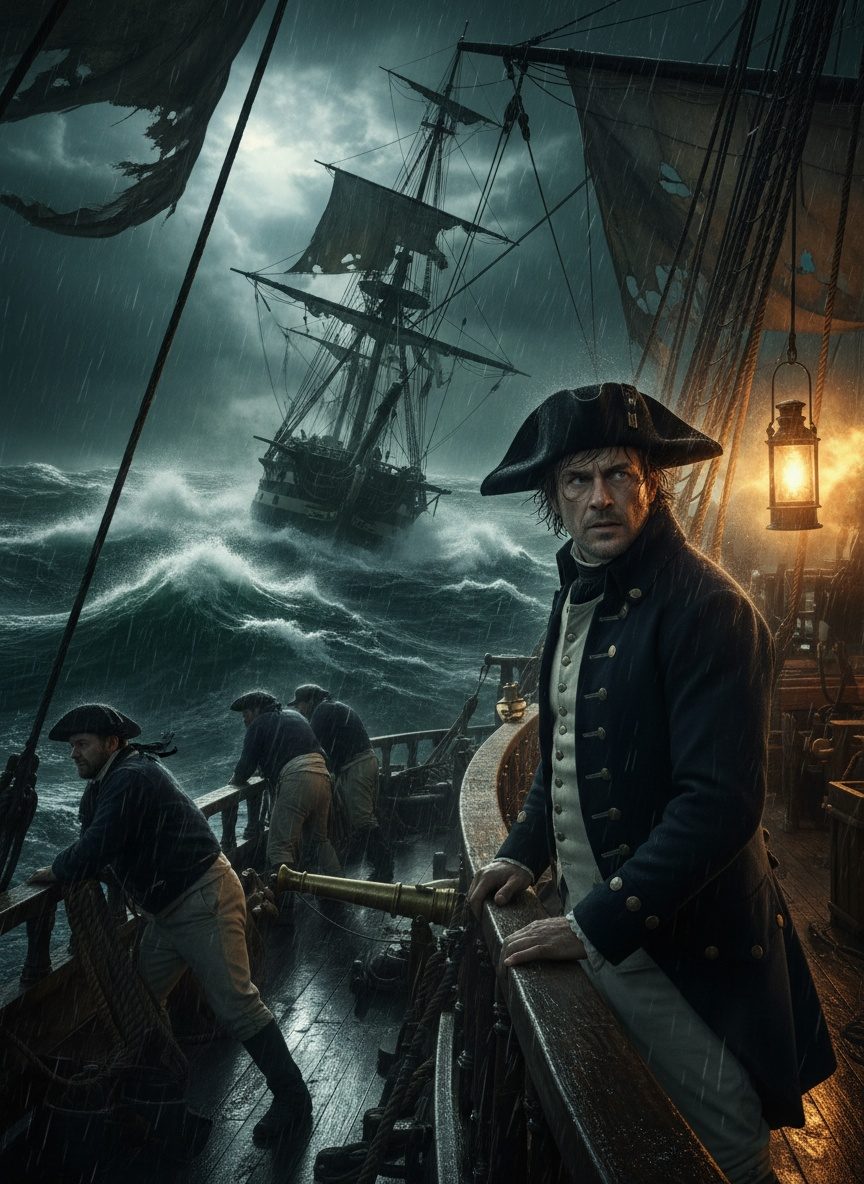
On a dark, tumultuous night in January 1797, the British frigate HMS Indefatigable found herself facing the embodiment of maritime might: the French 74-gun ship of the line, Droits de l'Homme. This was no ordinary engagement of skill and power; it was a battle against destiny itself, set upon the roaring seas of the English Channel. Captain Edward Pellew, seasoned and strategic, pushed his vessel and crew into the eye of the storm, defying logic and nature in pursuit of the enemy.
Pellew's frigate, though equipped with a mere 44 guns, was poised for the challenge. The Indefatigable's crew boasted years of experience at sea, their resolve unbroken by the howling winter winds that lashed the British coastline. In stark contrast, the Droits de l'Homme carried not only its potent artillery but also an extraordinary burden: a complement of 1,200 souls—a mix of prisoners, soldiers, and sailors caught in the upheaval of the French Revolutionary Wars.
Driven by an indomitable will, Pellew ordered his crew to engage as blackness enveloped the channel. For fourteen relentless hours, his command persevered through mountainous seas, launching a fearless assault. The ferocity of battle unfolded beneath a canopy of clouds, as gunners on both sides fought against the relentless forces of nature as much as each other. What might have seemed recklessness to an observer was actually shrewd naval acumen—the British captain capitalized on superior seamanship and brave tactics to relentlessly hound the larger French ship.
The Night's Torment
As night cloaked the battle field in pitch darkness, each strike from Indefatigable's guns became a beacon in the storm, illuminating glimpses of the towering waves and the desperate struggle aboard the French vessel. The assault was unyielding—gunpowder flashed and cannonballs tore with precision, dismantling the Droits de l'Homme piece by piece.
Within the confines of the French ship, chaos reigned. The crew, prisoners, and troops crammed within her hull faced a war on dual fronts: their British adversaries and the ravages of the storm that threatened to unravel their mighty ship. It was an experience akin to Dante’s inferno, as seamen scrambled to keep upon the ragged surface among shouts of fear and defiance.
Yet, beneath the storm's tumult, a maritime chess match played out. Pellew's confidence in the maneuverability and speed of his ship was rewarded; Indefatigable danced around her larger foe, avoiding many retaliatory volleys that the French fired amidst the chaos. The British frigate seemed an incarnate of the storm itself, merging with the elements in perfect symphony of attack and retreat.
While the brutal engagement ravaged both vessels, it was the unforgiving January waters that would prove decisive. As dawn approached, the razor-sharp Brittany coastline loomed ever nearer to the exhausted combatants. Fate, it seemed, was quietly dictating the conclusion to this epic tale.
The Morning After
When the morning light finally broke through the storm-charged sky, the reality of their location dawned harsh and unrelenting. The Droits de l'Homme, battered and nearly rudderless, found herself cast upon the infamous Breton rocks—those jagged teeth of land that harbored no sympathy for men or their creations. Her monstrous form lay shattered upon the shore, in pieces against the timeless granite that marked the boundary between sea and earth.
Pellew, aboard his barely scathed Indefatigable, could only watch as the waves consumed the remnants of France's pride. Yet, despite this remarkable victory, the outcome was stained by loss. Hundreds from the Droits de l'Homme would not survive the shipwreck—lives lost to the relentless seas they had dared to conquer.
The triumph did not solely lie in the victory of frigate over line ship, nor in the layers of strategic genius on behalf of Pellew, but in the enduring echo of courage and determination that followed. Here was an event that epitomized the unpredictable nature of human conflict and the unexplained balance held by mere moments. In the years that followed, naval legend and practical lessons alike would draw from the daring of that singular night.
Why does this legend loom large in the annals of naval history? For in that storm, amidst cannon smoke and salted gales, lay a testament to the indomitable spirit of man versus the sheer scale of the natural world. It remains a poignant narrative where resolve and courage forged a pathway amid treacherous tides—a story left untold by textbooks, kept alive in whispered tales of daring against all odds.