The shoreline of Roanoke Island in August 1590 was a harsh contrast to the dreams of the English settlers who had landed three years prior. A blanket of oppressive summer heat bore down on the scorched earth, crackling underfoot with each step. The air stood still, heavy with the scent of unbroken wilderness, broken only by the distant cries of gulls circling above the Atlantic’s relentless waves. As John White's eyes scanned the barren landscape, the enormity of the silence screamed louder than any known calamity. Where vibrant life and human voices should have been, there was only stillness — a vast emptiness swallowing dreams whole.
The Voyage Across the Sea
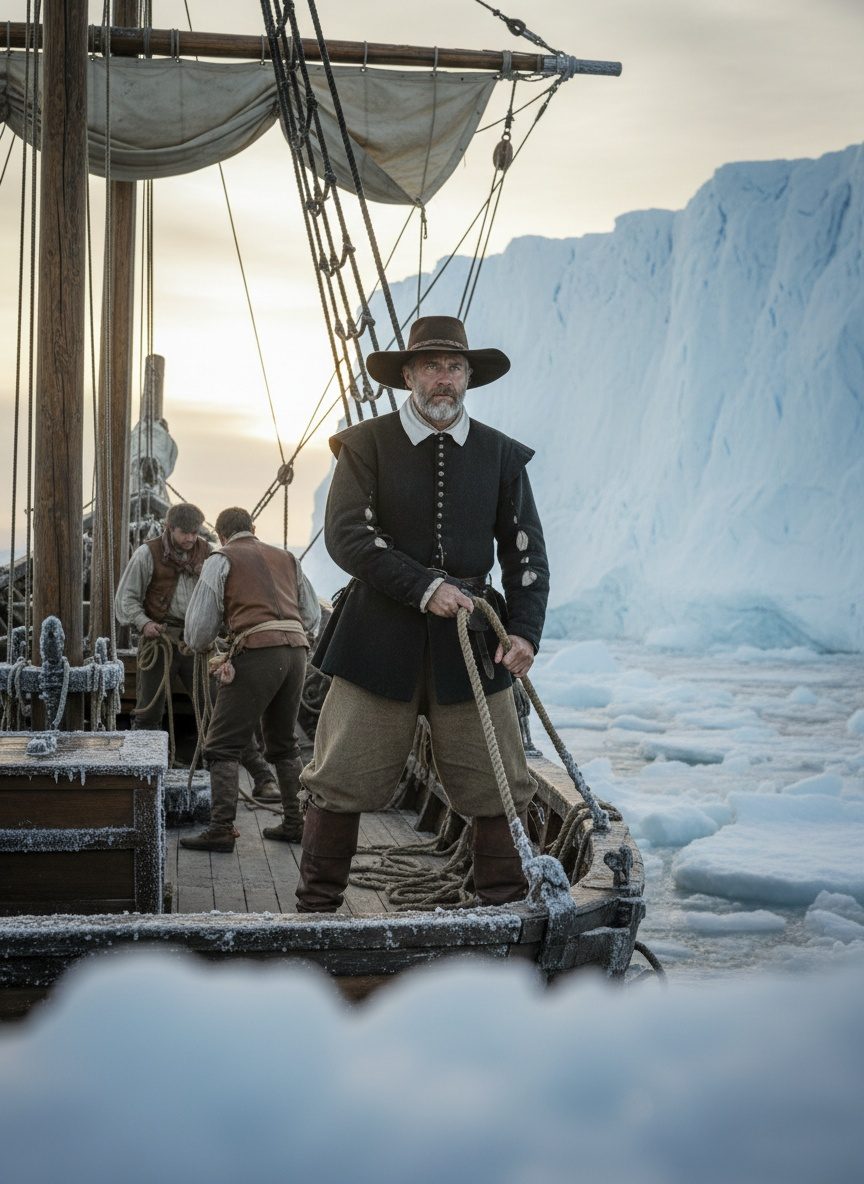
For John White, the return voyage to Roanoke was marked by a longing fused intimately with dread. Governor White had left 117 souls behind, including his daughter Eleanor and his granddaughter Virginia Dare, the first English child born in the New World — a symbol of hope and future amid wild uncertainty. He had journeyed across the rough Atlantic not once, but twice, a feat in itself over unyielding seas notorious for their tempests and tribulations. Despite Elizabethan England’s fledgling seafaring power, the voyage was perilous; the stakes were immeasurable. His return in 1590 was meant to be a homecoming, but it was the enigmatic silence that greeted him instead.
The Mysterious Disappearance
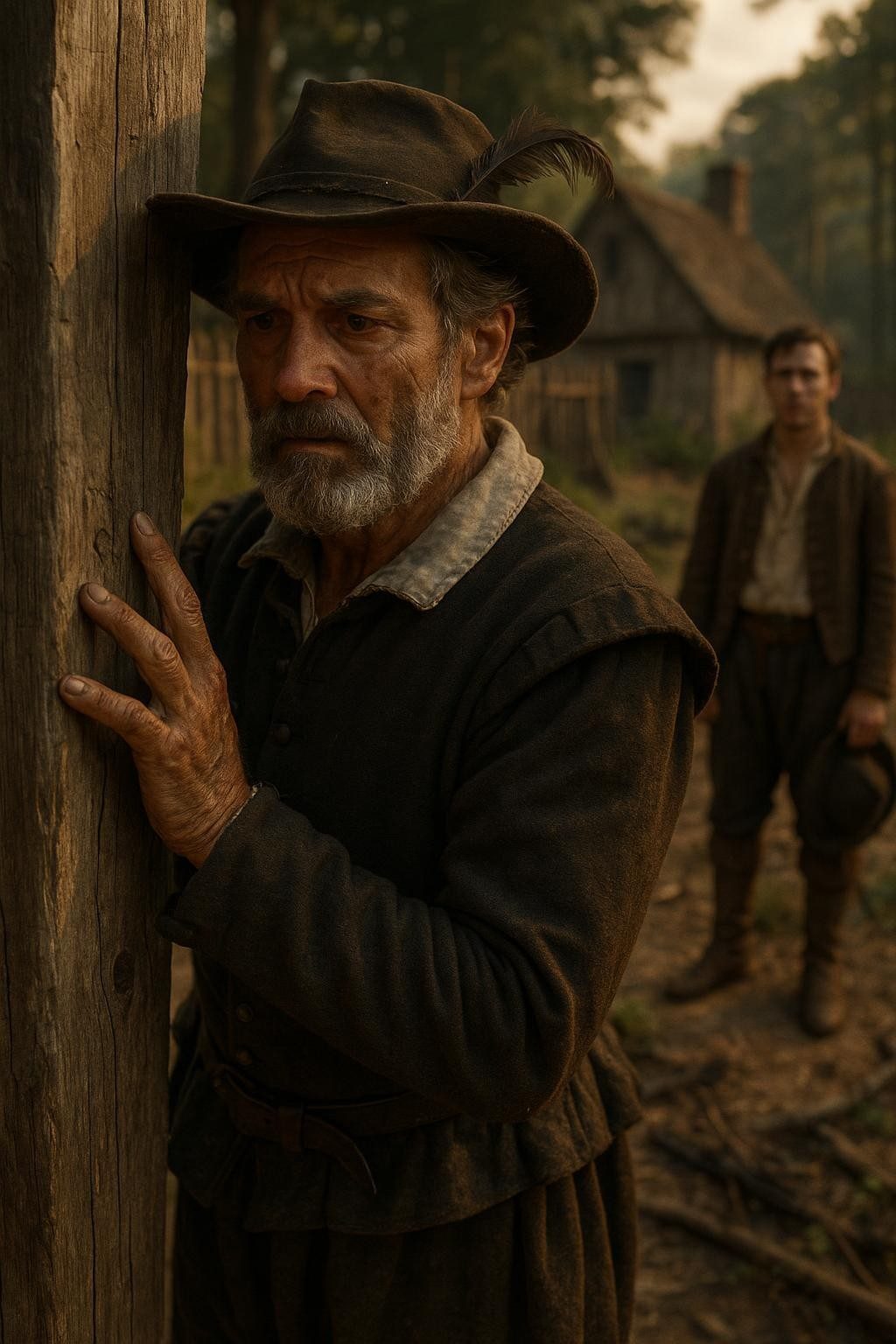
On that fateful August day, the emptiness felt immediate and cold, like a shroud. The settlement was devoid of life — no welcoming voices, no buzzing activity. There were no broken bodies or hastily dug lonesome graves. In their place stood a more ominous message: a single word carved into a post, *CROATOAN*. The absence of additional distress signs suggested a decampment rather than violence. The settlers could have taken refuge with the Croatoan tribe on a nearby island, but White found no clear direction — only more troubling questions.
The Haunting Search
Despite the crushing weight of the unknown, White clung to hope, drawing tentative conclusions from scant clues. He and his companions scoured the area with increasing desperation, each brush with unyielding reality peeling away at their resolve. They found two deteriorating skeletons — whether human or animal was difficult to discern after years exposed to the elements. None were Virginia, Eleanor, or any evidence pointing directly to the colonists’ whereabouts. For White, the island was no longer a hopeful foothold of empire but a hollow specter of loss and questions.
Theories and Speculations
Over centuries, the tale of Roanoke has fascinated and perplexed historians, prompting myriad theories. Some suggest the inhabitants integrated with Indigenous tribes, potentially becoming part of the Croatoan or other nearby communities. Others posit they perished from disease, starvation, or conflict with the native population. Even theories of Spanish interference or supernatural demise have been pondered. Yet, in each scenario, the truth evades the solid grasp of historical fact, leaving only tantalizing mystery to provocate the imagination.
The Echoes of Roanoke
The story of Roanoke is more than a historical anecdote; it resonates with the human condition’s transcendent themes — dreams, ambition, vulnerability, and ultimately, loss. The settlement's disappearance is a sobering reflection of early colonial America’s perilous gambles. In the modern age, the legend of Roanoke serves as a reminder of the brutal challenges faced by those who dared to bridge continents and cultures in pursuit of new worlds. Each summer gale that sweeps along the North Carolina coast whispers echoes of their legacy, asking us to remember, ponder, and learn.