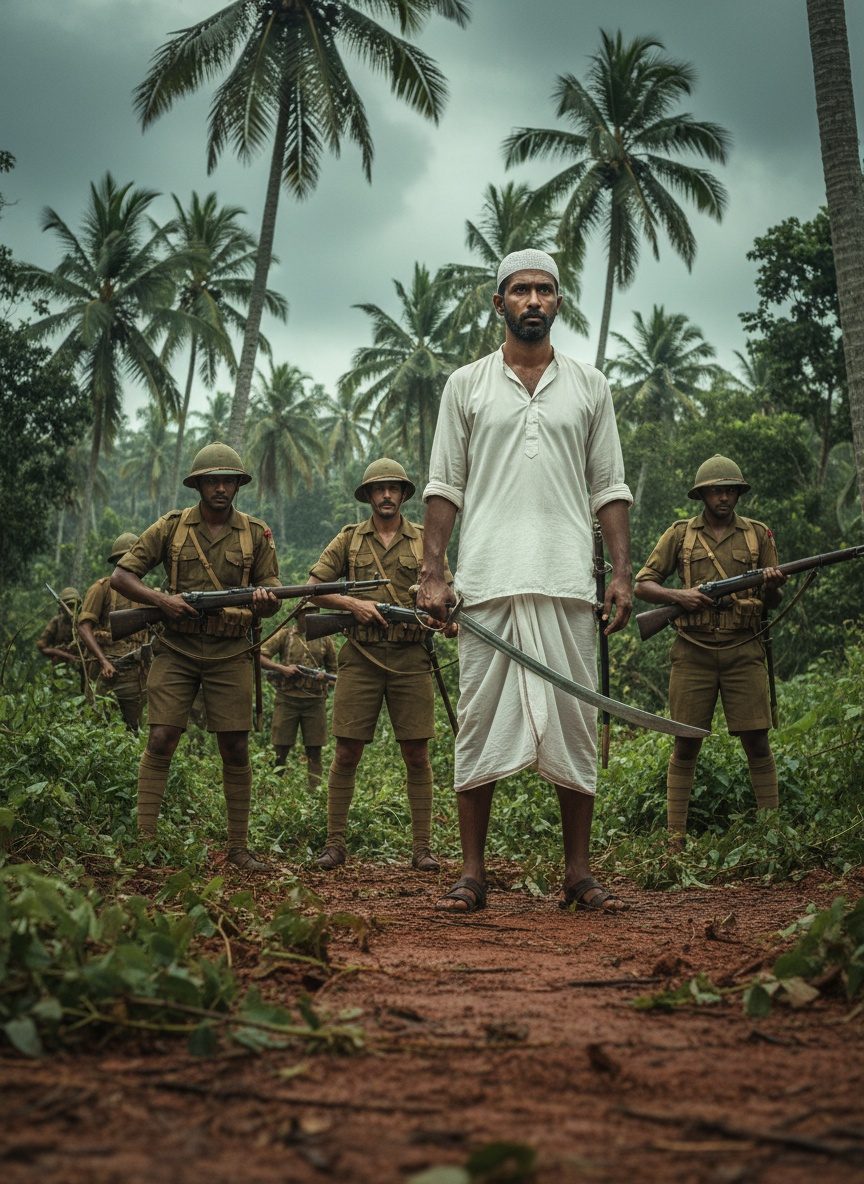
August 15, 1834. Dust clouded the air as hooves pounded the dry earth, chorusing around the town square of Cape Colony. The setting sun cast long shadows on the bustling settlement, a place on the verge of moral reckoning.
The Defiant Missionary
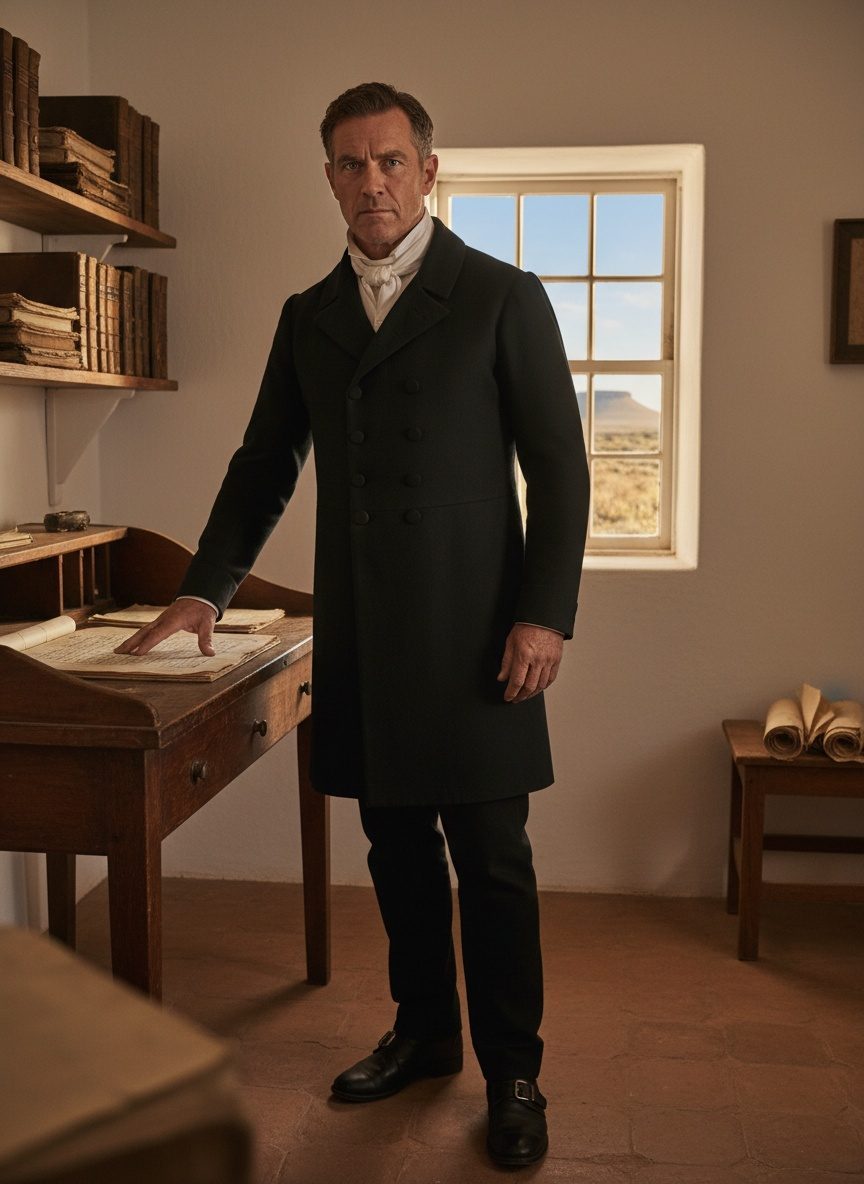
By 1834, John Philip, a Scottish missionary, had spent over a decade in the rugged landscape of Cape Colony. His arrival in southern Africa wasn't merely a missionary venture but the initiation of a profound, challenging journey. Philip's presence unsettled colonial authorities. Rather than quietly disseminating Christian doctrine, he became an ardent advocate, exposing the systemic injustices faced by the indigenous Khoikhoi people.
Philip's firsthand observations revealed the harsh realities that colonial textbooks had elegantly glossed over. The Khoikhoi, indigenous inhabitants of the region, were subjugated, their rights deliberately disregarded in courts falsely sworn to British justice. Formal pronouncements of equality fell flat in the face of entrenched racial prejudice. The courts, supposedly bastions of fairness, operated more like instruments of oppression.
Philip's collected evidence, painstakingly detailed over years, painted a stark picture of inequity. He witnessed trials where Khoikhoi defendants were denied legal representation and disallowed from presenting evidence on their behalf. In the colony, these were not offenses but rather accepted practice—until Philip intervened.
A Risky Revelation
In the colonial courts' intense heat, John Philip's publication exploded like a thunderclap. His accusations were regarded as nothing short of treasonous. He compiled a scathing report, replete with detailed cases demonstrating entrenched legal discrimination against the Khoikhoi.
This report circulated within the colony and made its way across oceans to London, capturing the Empire's attention. The streets of Cape Colony erupted in frantic discourse, with factions rising to defend Philip's assertions and others vigorously denouncing him as a saboteur of colonial order.
The governing authorities in the Cape found themselves in a precarious position. Could they silence Philip without substantiating his claims? As they deliberated, the colonists themselves faced a moral dilemma, one where allegiance to colonial stability collided with emerging notions of justice and human rights.
The Empire Takes Notice
In London, the report landed in the hands of those who were perhaps more attuned to the winds of change than their far-flung counterparts. The 1830s were years of social reform, as England itself wrestled with issues of labor rights, parliamentary representation, and abolitionism.
Philip's report was not just another document from the distant corners of the Empire. It resonated with reformists in Britain who were increasingly questioning the role of empire and the morality of their dominion. For them, the plight of the Khoikhoi underscored a broader truth about human dignity and justice.
Pressure mounted from across the Empire, compelling colonial administrators to respond with urgency. The British government, swayed by increased scrutiny and vocal criticism, pushed for reforms that aimed to rectify these judicial abuses.
A Turning of Tides
Back in Cape Colony, the reverberations of Philip's bold stance were palpable. The once-unquestioned colonial legal system faced reformation, albeit gradual and met with substantial resistance. New policies began to take shape, reconsidering the position of non-Europeans within the colonial legal framework.
Although the transformation wasn't immediate, the very fact that change was set in motion was significant. It signaled a shift in the power dynamics of the colony and ignited broader conversations on the treatment of indigenous peoples, not just in the Cape but throughout the sprawling Empire.
John Philip himself remained in the Cape until his death, a steadfast supporter of the causes he had championed so courageously. His lengthy fight for justice left an indelible mark on the landscape of the colony, illustrating that one voice, when joined by the power of truth, could indeed force an empire to confront its own conscience.
The Broader Impact
The story of John Philip's crusade is not only a forgotten chapter in the annals of colonial history; it serves as a portrait of moral courage in an era marked by imperial exploitation. It compels us to question how societies develop legal systems that reflect true justice and equality.
The people's voices, long muffled by the echo of colonial aspirations, found resonance through an unlikely ally in Philip. It reminds us of the power of individuals taking a stand, armed with nothing but their unwavering belief in what is right. Within this complex narrative, the interplay of power, morality, and reform prompts a reflection on how far we have come and how much further we have yet to go.