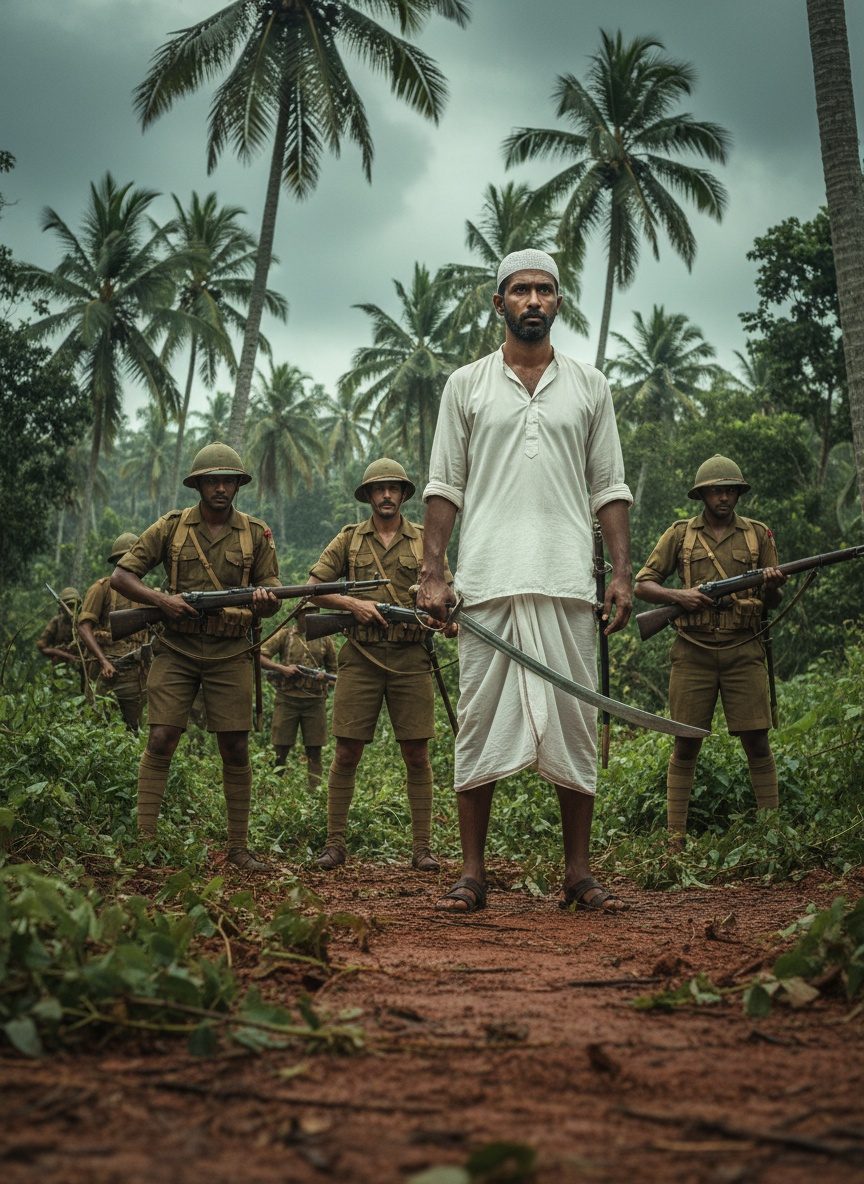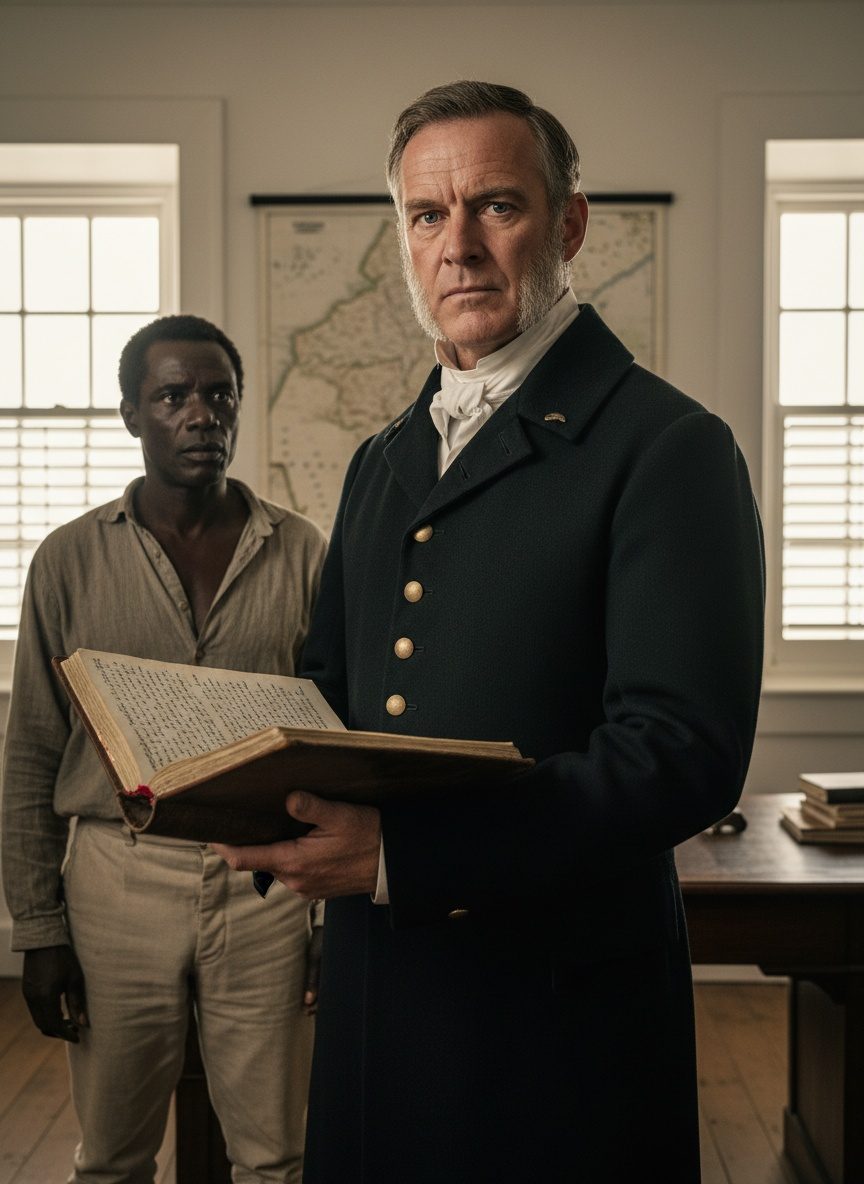
John Philip was not a politician, nor was he a seasoned lawyer versed in the art of legal arguments. He was a Scottish missionary, and that's precisely why the colony listened. Equipped with little more than a notebook and a conscience honed by the biblical tenets of justice and compassion, his venture into the diplomatic fray caught the world off guard, while his findings sent a shiver through the colonial establishment at the Cape.
The Cape Colony, in the year 1828, nestled between the rugged beauty of Table Mountain and the sweeping expanse of the South African veld, was a volatile tapestry of cultures, beliefs, and unspoken grudges. Under British dominion, the colony was emerging from the shadow of Dutch settlement, caught in the seismic shifts of a world edging away from institutionalized bondage. Yet, despite the changing tides, the reality for the indigenous Khoikhoi people remained harshly stagnant. Legal codes tethered them to white farmers, effectively binding them to a life of servitude masked as employment.
Philip arrived with eyes wide open to the inequities that stained the landscape. He traversed remote farms and frontier posts, stepping into worlds where the powerful gripped their status with vehement pride and indigenous peoples bore the brunt of systemic subjugation. The stories he collected were searingly painful, the evidence overwhelming. He documented the chains that were not always of iron but no less binding, shackles made of legislation and custom, of prejudice and economic desperation.
Back on the windswept shores of Britain, the empire churned in an Age of Reform. The fervor for change was filtering through its institutions, yet inertia remained a formidable foe. To disrupt the complacency entrenched in colonial governance was akin to battling a storm with naked resolve. John Philip, with his unassuming heroism and rigorous documentation, embarked on this mammoth undertaking like a knight errant of old, his weapons—facts and unyielding moral clarity.
He found himself sailing not under flags of convenience but the tumultuous passage of moral conviction. His arrival in London was not trumpeted with fanfare but measured in corridors of power and cloaked whispers of doubt. Philip knew his enemies were numerous—not only at the Cape but also among those British interests comfortable with the status quo, those content to justify the inhumanity as a necessary evil for colonial prosperity. His challenge to the British Parliament was devoid of grandiloquence, a clear testament wrapped in the stories of the people he had vowed to serve.
Before the Parliament, Philip laid his pages of evidence bare. Accounts of disenfranchisement, restrictions, and the denial of basic human freedoms confronted the lawmakers, line after line challenging the very foundation of British justice. But it was Ordinance 50, his ultimate ace, which embodied the bold endeavor to dismantle an unjust system—the proposal to cut through the Gordian knot of colonial policy, granting the Khoikhoi the right to free movement and legal protection not as subjects, but as human beings.
The passage of Ordinance 50 in 1828 was not met with universal applause; rather, it instigated a symphony of resistance, especially from colonial settlers who saw their grip weaken. They had long fostered an expectancy of control, seeing themselves as the rightful wielders of power in a region they believed molded by their toil. Yet, slowly, as the ordinance etched its place into history, the chorus of apprehension gave way to a quieter, more profound shift.
Forty thousand souls once shadowed by the trees of bondage found liberation in the pen strokes of law they didn't draft, a dissonance of liberation that redefined their existence. For the Khoikhoi, recognized as more than mere labor bound to the success of others, the ordinance was both a milestone and a beginning. Philip's solitary crusade from Cape Colony to Westminster underscored a pivotal truth: that empathy must propel justice beyond the margins and into the forefront of the human narrative.
Even as the dust settled, John Philip himself faded into history's backdrop, his life continuing in pastoral quietude. His legacy, while not encapsulated in grand monuments, resonated profoundly in the shifting sands of colonial policy. Readers today, examining this narrative carved into time, may often wonder why such stories rarely grace our textbooks. Yet, these untold legends provide reminders of resilience, echoing through epochs with lessons in conscience, action, and the enduring power of evidence in the quest for justice.
The narrative of John Philip's venture shatters the bounds of a single arc, instead weaving into the broader tapestry of human rights and legislative change. As we pause to consider the complexities of our histories, the laborious task of acknowledging both dark chapters and enlightened milestones, the spirited actions of a humble missionary at the Cape reminds us that change often sprouts from unexpected corners, paving paths to equity one voice at a time. In recognizing the injustices hidden behind the veil of historical progress, we unlock the truest potential of history to teach, to inspire, and to galvanize. Today's readers, if they draw any singular notion from John Philip's crusade, may find it here: that to know history's secrets is to own a piece of its future.