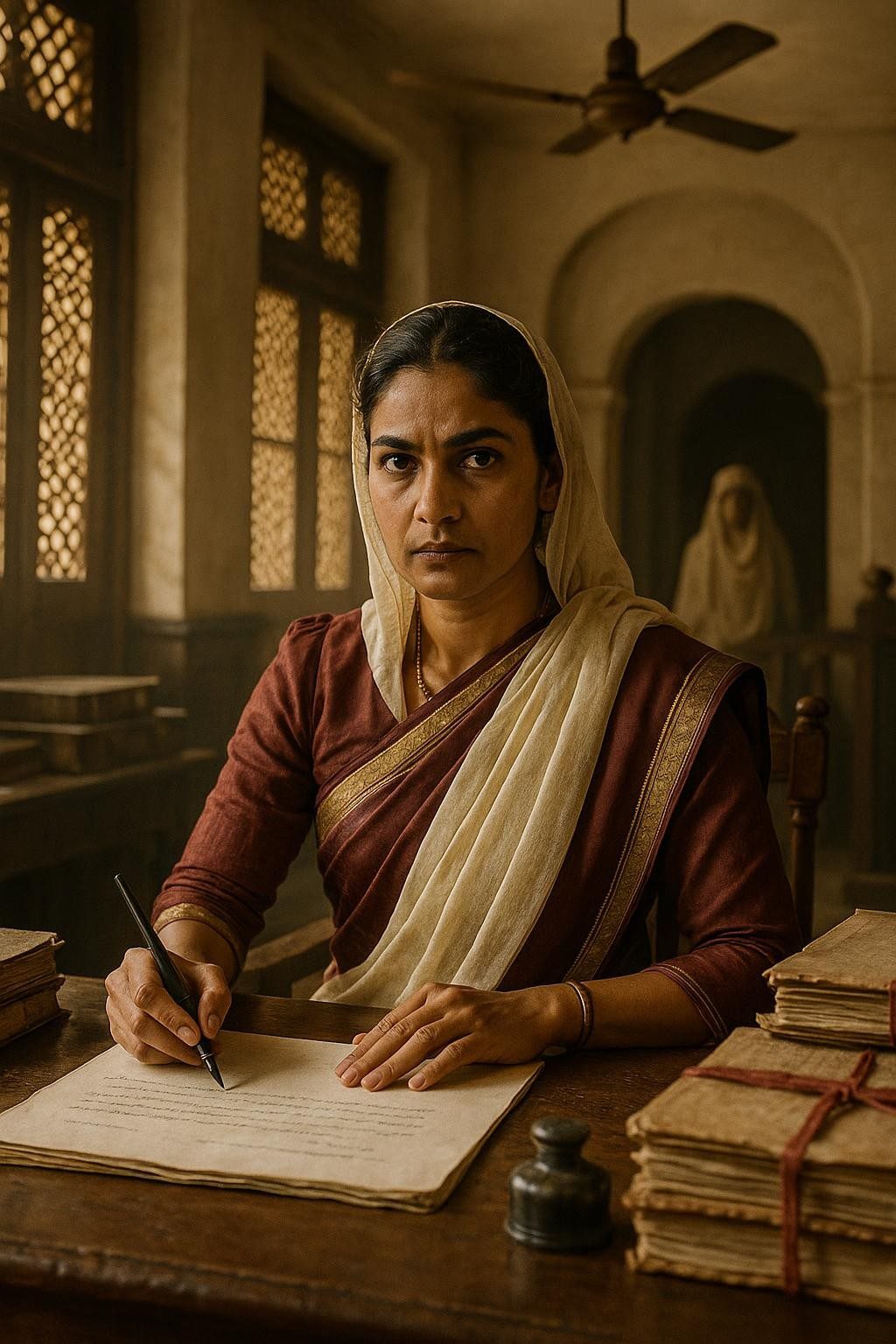
The sun hung low over the Indian subcontinent, casting long shadows across the dusty streets of Pune. The scent of blooming frangipani mixed with the earthy aroma of the monsoon-drenched soil, creating an intoxicating embrace. Yet, behind the stone walls of the ancestral homes, an invisible prison held countless women captive. This was a society in which tradition often shackled as much as it celebrated, and for the widows hidden behind purdah, freedom was a distant dream. But in 1904, a lone figure emerged, ready to challenge the suffocating norms and illuminate the shadows. Cornelia Sorabji, armed with a formidable intellect and a brave heart, was about to make history in the purdah courts of India.
The Road to Oxford: A Path Less Traveled
Born into a forward-thinking Parsi family in 1866, Cornelia Sorabji's early life was steeped in a blend of cultural richness and progressive ideals. Her parents, pioneers in education and social reform, instilled in her a sense of justice and a belief in the power of knowledge. Encouraged to pursue her studies, Sorabji would become the first woman to sit for the Bachelor of Civil Law exams at Oxford University. However, upon her return to India, Britain's refusal to call her to the Bar revealed the systemic barriers she had yet to dismantle.
Undeterred, Sorabji's determination only grew. In 1892, she returned to India, determined to dedicate her skills to those trapped by an unforgiving legal system. She realized that the purdah courts, where women could not appear in public and were represented—or often misrepresented—by male guardians, required a different kind of advocate. Sorabji, with her unique insight and pioneering spirit, seemed destined for this role.
Into the Shadows: The Purdah Courts Beckon
With her toes digging into the rich Indian soil, Cornelia Sorabji entered a world few had seen, let alone comprehended. The purdah courts were a place shrouded in secrecy, where tradition, law, and gender politics intersected in complex and often oppressive ways. Enclosed within these walls were stories of injustice, where widows and orphans frequently fell victim to the greed of unscrupulous guardians.
Sorabji possessed a rare legal prowess and an empathy that allowed her to connect with the women she represented. Her presence in these courts was nothing short of revolutionary, as she began to navigate a system that denied women their voice. Through careful examination of documents and advocacy rooted in compassion, Sorabji helped free numerous widows from their cruel fates. Her ability to act as an intermediary between the secluded women and the outside world was transformative.
Riding the Tempest: Legal Triumphs in a Gilded Cage
Under the Raj, the corridors of power were lined with impenetrable barriers for women, yet Sorabji maneuvered through them with tenacity. Each triumph in the purdah courts was a significant step toward liberation. In 1904, when her efforts gained momentum, Sorabji became a beacon of hope for hundreds of widows who once saw no escape. Her strategic brilliance was matched by an undaunted resolve.
Using her legal acumen, she shed light on murky practices that saw widows stripped of their property and autonomy. Her victories transcended individual cases; they inspired ripples of change throughout the subcontinent, encouraging both reform and solidarity among women. Sorabji’s work in these courts was not just about winning legal battles but about uplifting entire lives bound by tradition.
Beyond the Burqa: Cornelia's Enduring Legacy
Though Sorabji’s journey was as perilous as it was lonely, her accomplishments reshaped the landscape of women's rights in colonial India. The very court system that once served as a bastion of patriarchal authority became a platform for justice under her unwavering advocacy. As Sorabji navigated the legal maze, her consistent commitment to her cause and the rights of women sowed the seeds for further legal reforms.
The significance of her work eventually compelled legal institutions to recognize the necessity of female lawyers who could navigate the sensitive nuances of cases involving purdah women. Sorabji demonstrated that empathy, coupled with legal knowledge, could create avenues for monumental change.
An Unfinished Revolution: The Echoes of Sorabji
The spirit of Cornelia Sorabji's relentless fight for justice continues to resonate more than a century later. Her journey, one of defiance against an empire and its entrenched practices, underscores the ongoing struggle for equality and justice—an unfinished revolution that still challenges societies today. The purdah courts may no longer hold sway, but their lessons endure, reminding us of the power of advocacy to transform lives.
Cornelia Sorabji’s legacy is a testament to the indomitable human spirit—a reminder that change is not only possible but also imperative, albeit often demanding great courage. As we reflect on her story, we are urged to recognize and honor those voices that still fight for justice in shadows new and old, reinforcing the timeless truth that even the most imposing walls can be dismantled with vision, bravery, and perseverance.