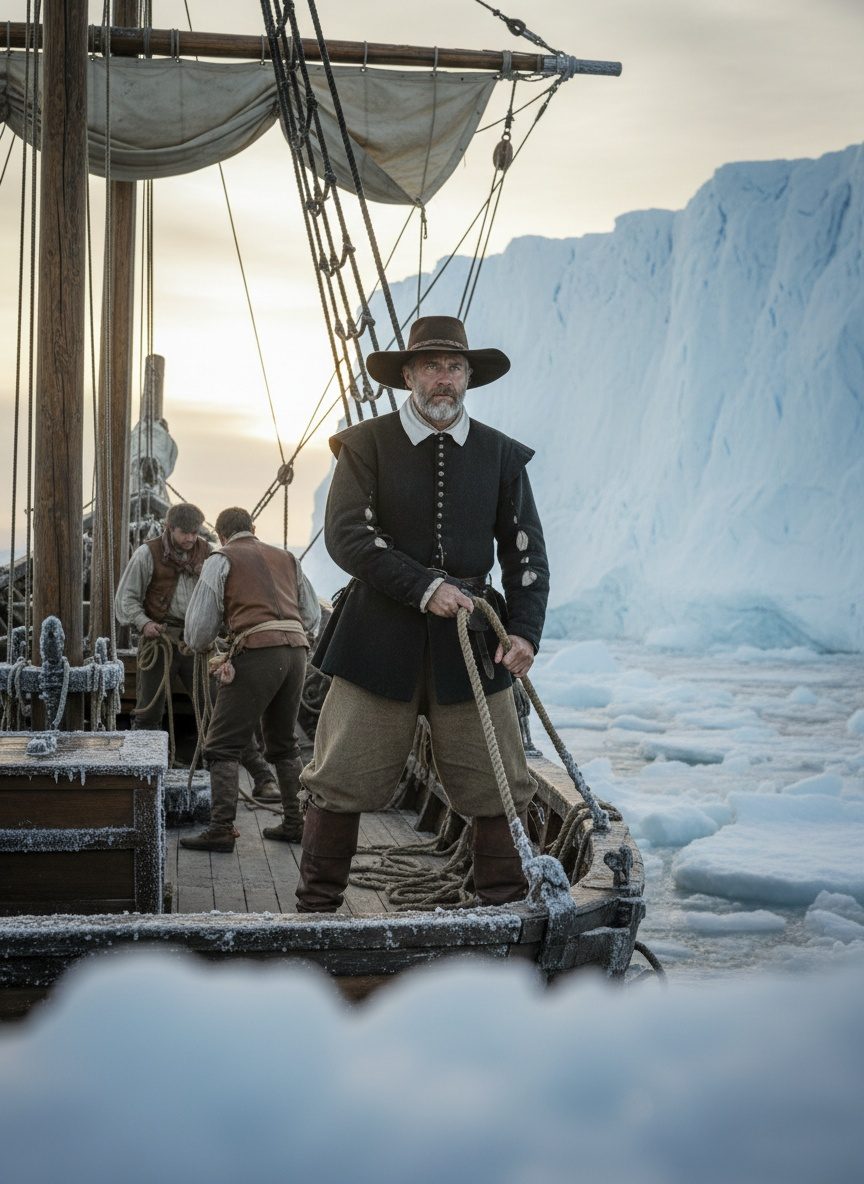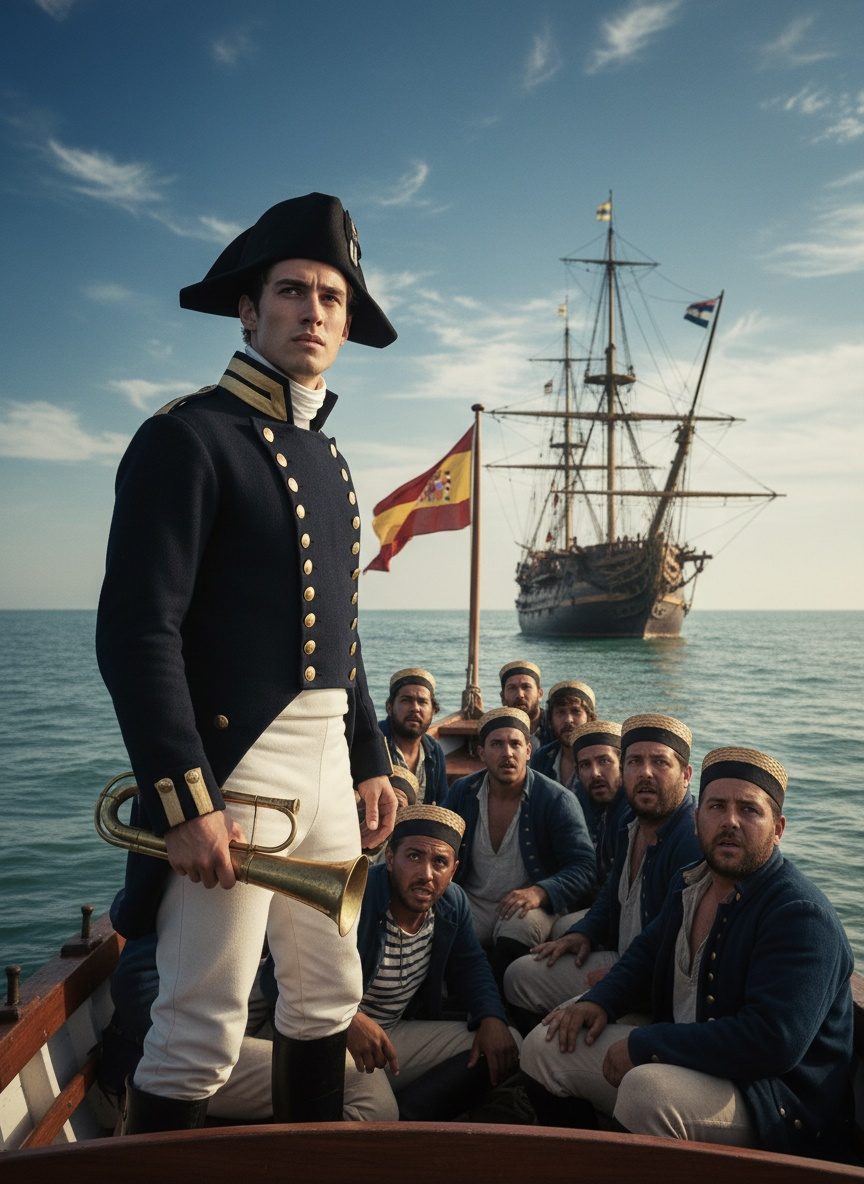
The Mediterranean sun dipped low on the horizon, casting shimmering streaks of red and gold across the gentle crests of the sea. A gentle breeze rustled through the rigging of a small felucca as the waves lapped rhythmically against its hull. To an idle observer, this slice of the ocean held nothing more than tranquil beauty, but beneath this serene scene lay a tension palpable enough to be sliced with a dagger. It was August 1801, and Lord Thomas Cochrane, just twenty-five and already a thorn in the side of the Spanish fleet, found himself with a ragtag crew of fourteen, a meager vessel at his command, and a precarious future balancing on a knife's edge.
A Felucca Against Fortunes
Embarking across these perilous waters, Cochrane faced more than just the elements. Behind him, the might of the Royal Navy was a distant echo, and before him, bearing down with ominous inevitability, was a 32-gun Spanish xebec-frigate—the kind of ship that could send his rented felucca to the depths in the blink of an eye. Yet, if history had taught anything about Cochrane, it was to never underestimate the audacity of a man who thrived on the improbable.
This was the same Lord Cochrane who had transformed the HMS Speedy into a vessel of formidable repute, its small size belied by a sort of maritime sorcery that Cochrane spun upon the waters. But now, stripped of that nimble sloop and left with a lesser craft, the stakes had been set not just against his skill, but against sheer mathematics. The xebec loomed like a leviathan, guns glinting malevolently in the fading light, her sails taut with purpose.
Time ran short. Cochrane, known for his ability to appraise and adapt in mere moments, swiftly concocted a ruse as daring as it was desperate. With no broadside to command, he turned instead to deception, raising an American flag—a calculated gamble in the swirling dance of war and diplomacy. To feign innocence, to pacify the predator, was the thread upon which Cochrane's fate now hung.
This was no time for doubt, and certainly not for hesitation. His crew, weathered by the harsh demands of the sea, watched their captain with a mix of trepidation and trust, caught between the shadows of a doomed certainty and the flicker of hope offered by Cochrane's audacity. As the Spanish captain came to grapple with the unexpected sight of an American-flagged vessel in these contested waters, Cochrane readied himself for the theatrics to come.
The Art of the Bluff
The evening light waned, shadows stretching across the fleet as Cochrane's felucca and the imposing xebec engaged in a slow nautical ballet. Every decision hung precariously, balanced as if on the edge of a scimitar's blade, and in such moments, the quality of nerve and wit became the true currency of survival. Cochrane summoned all the aplomb for which he was renowned, focusing not on what he lacked—firepower, manpower, certainty—but on his formidable gift for seamanship.
With consummate ease, Cochrane's demeanor exuded the illusion of indifference. Meanwhile, aboard the Spanish xebec, the captain faced a conundrum. The Napoleonic Wars had twisted alliances and enemies alike into a tangled skein, and amidst the chaos, the American ensign could imply anything from innocence to deliberate subterfuge. It was this doubt that Cochrane chose as his ally, creating a weapon far sharper than cannonballs.
The wind rattled through the rigging, an ironic applause as Cochrane steered a course parallel but not confrontational, always at the edge of potential peril. His fourteen men mirrored his resolve, each conscious that success hung only on the tensions wrought by Cochrane’s gamble. Would the Spaniards call their bluff? Would simple fabric and demeanor become the deciding factor in their dance of survival?
The seconds stretched like hours, every creak of the hull, every flap of fabric weighed with meaning. And then, it happened—a momentary hesitation, a grudging deference to the possibility offered by Cochrane's gambit. The xebec lowered her threat, the guns not yet blazing with promised fury. The Spanish, unable to justify an aggressive inspection against the ruse of legitimacy, let the felucca sail its wayward course.
The Escape, and a Legacy of Nerve
Under the now-starry Mediterranean sky, Cochrane and his motley crew slipped silently away, the far-off silhouette of the xebec a darkened sentinel against the tides they left behind. It was a retreat writ in bold strokes of daring and wit; Cochrane's audacious plan had unfolded to its improbable conclusion. Yet this minor victory did not rest solely on deception's shoulders but also on an understanding of psychology that belied Cochrane's youth.
In the grand theatre of naval warfare, where audacity often marched hand in glove with annihilation, Cochrane's reputation would continue to be forged not just by broadsides, but by his uncanny ability to read and manipulate the moment as if it were a well-worn map. This escape—deftly executed with a mere handful of desperate seamen—was a testament to the thrilling tapestry of naval tactics beyond sheer force.
It becomes all too easy to let the grand narratives of warships, mighty fleets, and political machinations eclipse the deeds of a solitary man with keen sight and brashness in his wake. In an era where might seemed the only way to navigate the tumult of the Napoleonic seas, Cochrane’s story served as a reminder that sometimes, survival hinges on something far more ethereal: the innate human talent for guile, for understanding the frailty and uncertainty of one's opponents and turning those very elements into tactical advantage.
Perhaps what makes Cochrane's tale endure is this very reminder—that within the annals of history, among the weight of victories measured by choked seas and scarred land, the human spirit demonstrates an irrepressible aptitude for rewriting the odds. Cochrane, with his gang of fourteen, sailing on the fringes of capability, did more than survive that day. He imparted a lesson in resilience that moves far beyond the waves, echoing through the pages of history that remember the legends they left out of the textbooks. The world spins on the fulcrum of such moments—a small craft against the grand bearings of fate, navigating not just the waters, but the soul's enduring ingenuity.