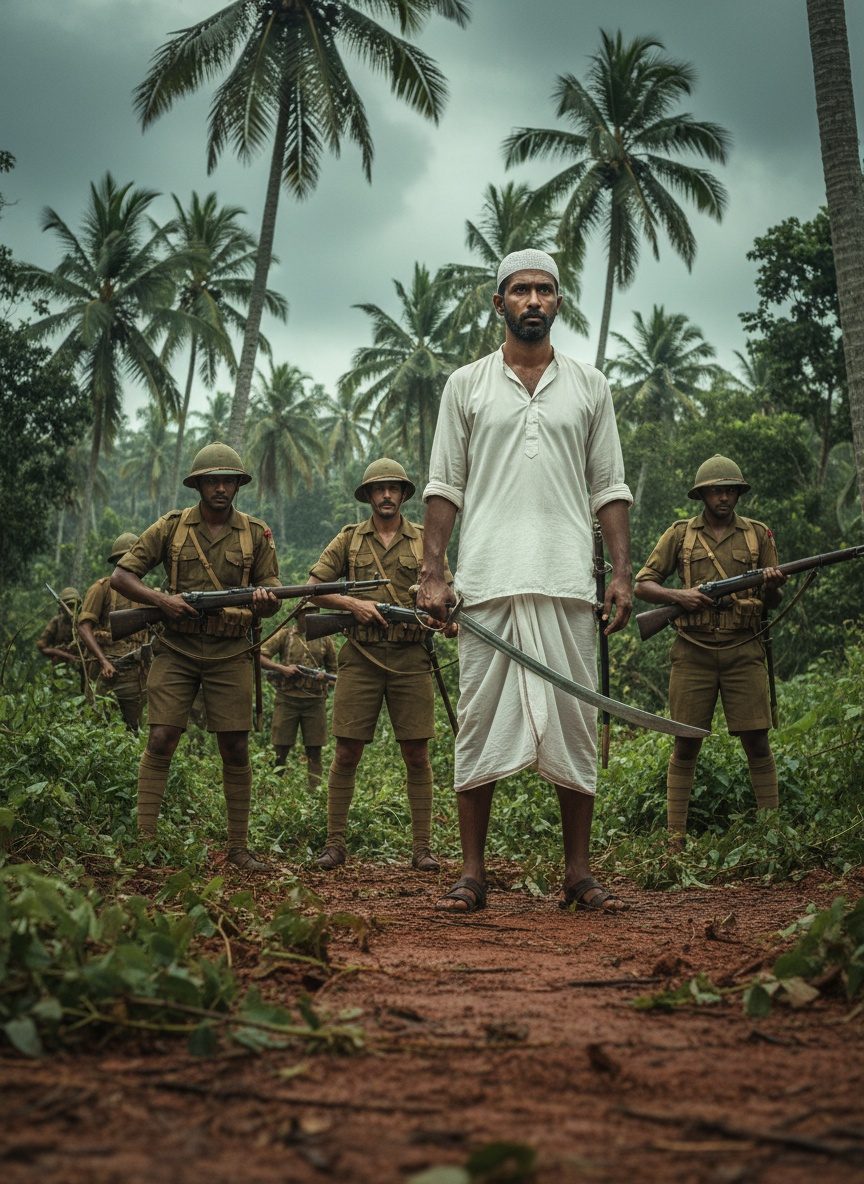
Most people have never heard of Chakravarti Rajagopalachari. They should have.
The Unyielding Lawyer of Madras
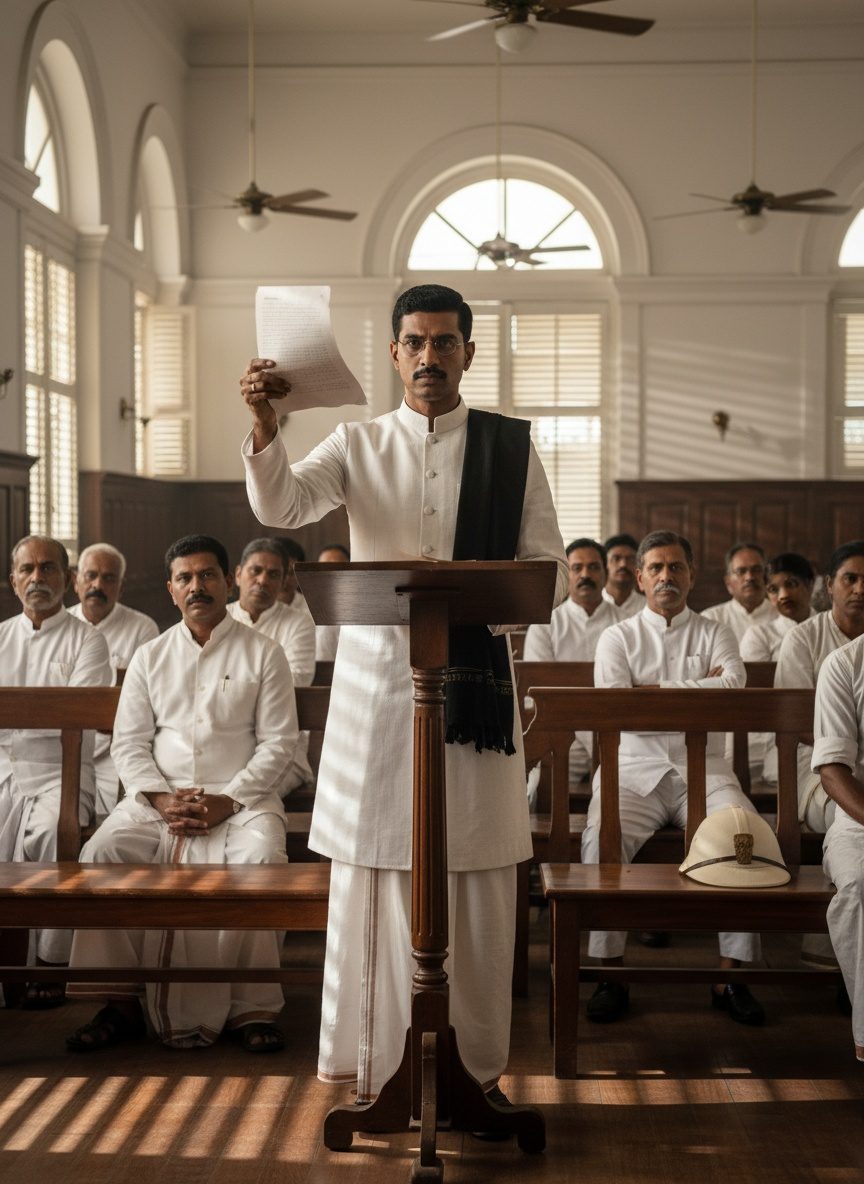
In the oppressive heat of Madras, the air was thick not just with humidity, but with the tension of a subjugated nation on the edge of rebellion. It was 1919, and in the British-controlled Indian city now known as Chennai, an unlikely figure emerged to challenge the imperial power that had ruled without restraint for over a century. Chakravarti Rajagopalachari, a self-possessed Tamil lawyer with unflinching resolve, stood up alone in the legislative halls to oppose a new and draconian amendment: the Rowlatt Act.
The Act, passed by the British Raj, essentially silenced dissenters by allowing imprisonment without trial—a gross affront to the ideals of justice and liberty that Britain supposedly held dear. It was a bold move by the British, intending to quash the growing unrest in India. Yet, for all its severity, the legislation quieted the moderate voices across the land, save one. Rajagopalachari, a man of modest stature but imposing determination, refused to be cowed.
Words as Weapons
As mass protests erupted across the nation, Rajagopalachari wielded his pen with the precision of a surgeon. He began by filing papers that meticulously dissected the legal and moral failings of the Rowlatt Act. His arguments were steeped in principle, emphasizing the inherent injustice of targeting a populace still reeling from the agony of colonial oppression.
The words he wrote were not just legal rebuttals but acts of resistance. In newspapers, pamphlets, and speeches, he articulated the disconnect between British legal traditions and their actions in India. It was a potent irony that the colonial rulers, celebrated for the Magna Carta and centuries of jurisprudence, were denying Indians the basic right to a fair trial.
In the face of mounting pressure and potential peril, Rajagopalachari’s campaign became emblematic of intellectual defiance. His writings were not just simple prose; they were calls to action, rousing a nation to see beyond the immediate oppression to a future of freedom and self-governance.
The Defiance Stands Alone
Yet, unlike the massive civil disobedience campaigns to come, Rajagopalachari’s stand in 1919 was solitary. Within the confines of the Madras Legislative Council, the sense of isolation was palpable. Colleagues and contemporaries, fearing repercussions, refrained from open opposition. The environment was dangerous, and the consequences severe; employment, social status, and personal safety were all at stake.
But his commitment was unshakeable, grounded in a belief that justice transcends the confines of empires and borders. Cornered in the very heart of imperial machinations, he emerged as an unyielding voice amidst the silence—a lone figure daring to speak truth to power. This was no moment of rhetorical flair, but a demonstration of profound courage.
A Precursor to Freedom
The ripples from Rajagopalachari’s defiance in 1919 extended far beyond the quiet halls of Madras. They foreshadowed the larger tides of resistance that would ultimately lead to India’s independence in 1947. His stand against the Rowlatt Act served as an early herald of the nationwide movements that would soon engage voices like Mahatma Gandhi and other leaders ready to challenge British imperial might on a much grander scale.
Rajagopalachari’s actions are a testament to the power of individual conviction in the face of overwhelming odds. In challenging the notion that an empire, despite its grandeur and authority, stood against justice, he laid bare the inherent contradictions within the colonial system. His bold defiance, though singular, sparked a crucial dialogue about the nature of freedom and the sacrifices necessary to achieve it.
Today, the tale of Chakravarti Rajagopalachari’s resistance against the British Raj in 1919 provides a vital yet often overlooked chapter in India’s struggle for self-determination. It reminds us that history is not only shaped by the masses but sometimes pivoted by the unwavering will of a lone individual. This story matters because it challenges us to question: Who will speak up when every voice falls silent? In every era of adversity, there comes a Rajagopalachari, quietly ready to challenge the injustice of the day, knowing that sometimes the boldest battles must be fought alone.