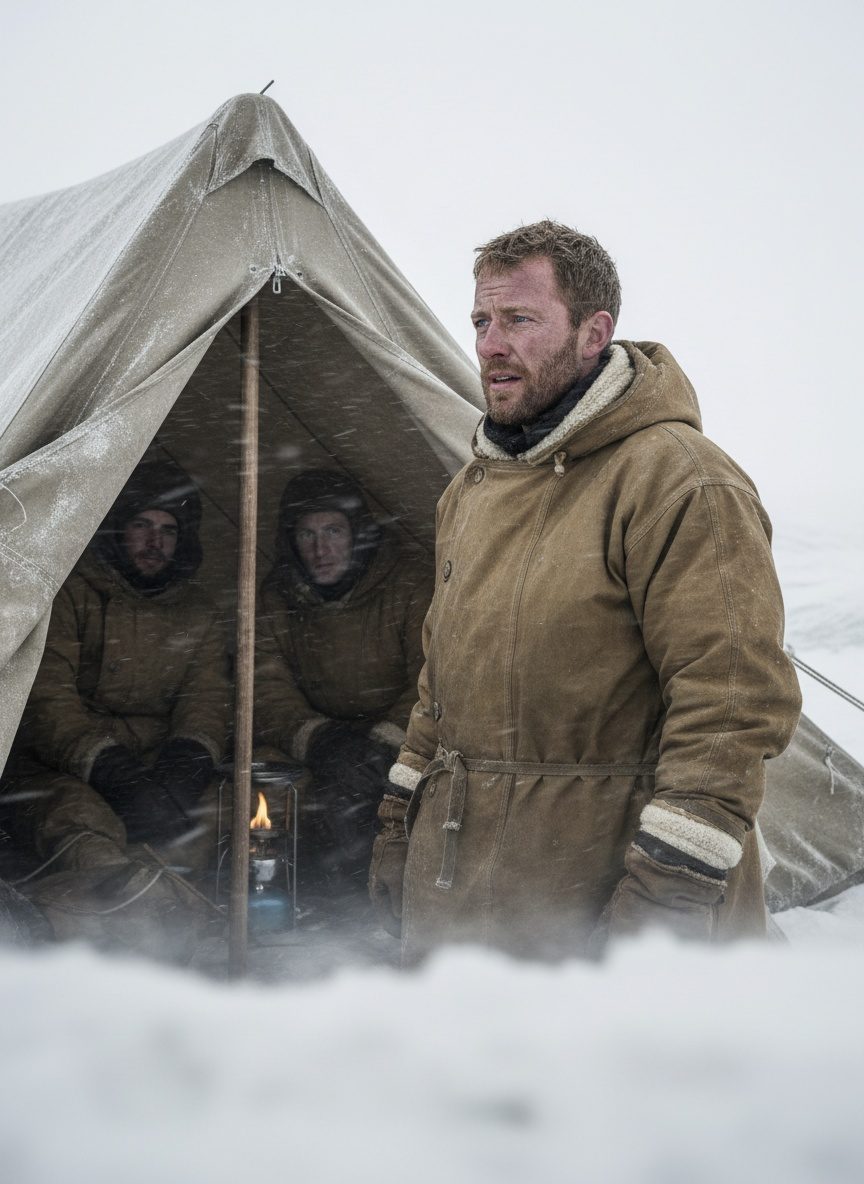
The fierce winds howled like wild banshees across the vast, white emptiness, stinging his eyes with icy shards and clawing at his already ravaged face. The snow underfoot was treacherous, shifting like an unreliable friend at every step. Captain Lawrence Oates paused for a moment, each breath a laborious gasp as the Antarctic blizzard enveloped him in its unforgiving embrace. He knew he had but one duty left to fulfill, and it tugged insistently at the remnants of his strength.
The Frozen Battlefield
The Antarctic expedition of March 1912 was unlike any other, a daring bid by intrepid explorers to reach the remote and mysterious South Pole. Yet, the return journey was marked by tragedy and trial for Captain Robert Falcon Scott and his men. They were beaten not just by another expedition, but by the cruel hand of nature itself. Among the brave souls was Captain Lawrence Oates, a cavalry officer with the Inniskilling Dragoons and a veteran of the faraway battlefields of the Boer and First World Wars. Here, he faced a battle of a different kind — an internal one against his own failing body.
Oates was no stranger to pain and sacrifice. Once a skilled horseman known for his command during wartime, he now found himself hobbling, his feet lifelessly encased in ice after succumbing to frostbite. Each step was measured, weighted by agony, and every mile trekked seemed to stretch into a brutal eternity. He had grown increasingly aware that his presence was a burden to his surviving companions; every day he dragged his pained limbs behind him, the team was ever closer to losing the race against time and deprivation.
It was a dire gamble, one that Oates understood all too well. Trapped in a tiny tent buffeted by relentless storms, with rations dwindling and hope flickering like a feeble flame, he reached a painful realization. To stay with the party, with his weakening condition, would only lead them towards certain doom. He had fought with courage and tenacity, but his strength was nothing against the relentless forces of the Antarctic and his own failing flesh.
The Sacrificial Step
It was an ordinary morning, steeped in the silence of shared struggle when Captain Oates made his quiet resolve. The dawn did not bring promises of warmth or respite, only an indifferent grey bleakness sprawling out in every direction. Gathering himself up, he turned his eyes towards his companions, men he had struggled alongside, and simply stated, "I am just going outside. I may be some time." The words hung in the freezing air, understated yet monumental.
There was an understanding amongst them, unspoken yet deeply profound. Outside, the blizzard raged as if orchestrated by the gods themselves, a swirling tempest that promised no mercy. Not one voice protested or broke the silence with false hope. They watched his silhouette fade into the curtain of driving snow, each of them left to grapple with the sacrifice taking place before their eyes. Oates’ deliberate march into the void was a gesture of profound altruism; an act rooted in military honor and the ethos of the time, where one man's life weighed against the survival of others spoke volumes of valor.
As Oates walked into the storm, he offered a thin line of hope for his friends' survival. Despite the grim chances, his final decision resonated with a poignant echoes—a choice not borne of despair, but of an indomitable spirit clinging to some sliver of hope for his comrades. Each step away from the safety of their frail tent etched a number onto a final tally written in snow and ice. It was a decision made without fanfare, yet resounding with dignity, capturing the essence of true heroism—those countless, unrecorded acts that history often leaves forgotten.
Lessons from the End of the Earth
While the story of Captain Lawrence Oates and the ill-fated expedition of March 1912 passed into history, whispered about in dusty halls and referenced in the annals of exploration, its deeper lessons remain relevant. For those who survived or perished trying, Antarctica was more than just a destination; it was a crucible of human endurance, a landscape where the mettle of even the bravest was tested and definitions of heroism and sacrifice hewn from the hard ice beneath them.
Oates’ unyielding resolve in the face of certain death compels us to confront questions of personal sacrifice and the greater good. In an era where exploration meant confronting the unknown with limited means, Oates embraced a warrior's path, one where glory was often forged in silence and loss. Antarctica, in its cruel majesty, allowed men such as he to carve, albeit briefly, a testament of timeless courage that isn't reflected in mere territorial conquest or geographical achievement.
This stark, final march of Captain Oates holds a mirror to humanity; a reminder that in the most extreme circumstances, a single selfless act can echo through time. It implores us to remember not only the majesty and mystery of unexplored realms but also the profound depth of human character and resilience that such places inspire. In walking into the storm, Oates taught us that true legacy is found not in the records we break, but in the sacrifices we make for those we leave behind. As the snow continues to fall over the Antarctic expanse, his footfalls still whisper across its endless whiteness; a legend that didn’t make the textbooks but resides in the hearts inspired by his undaunted spirit.