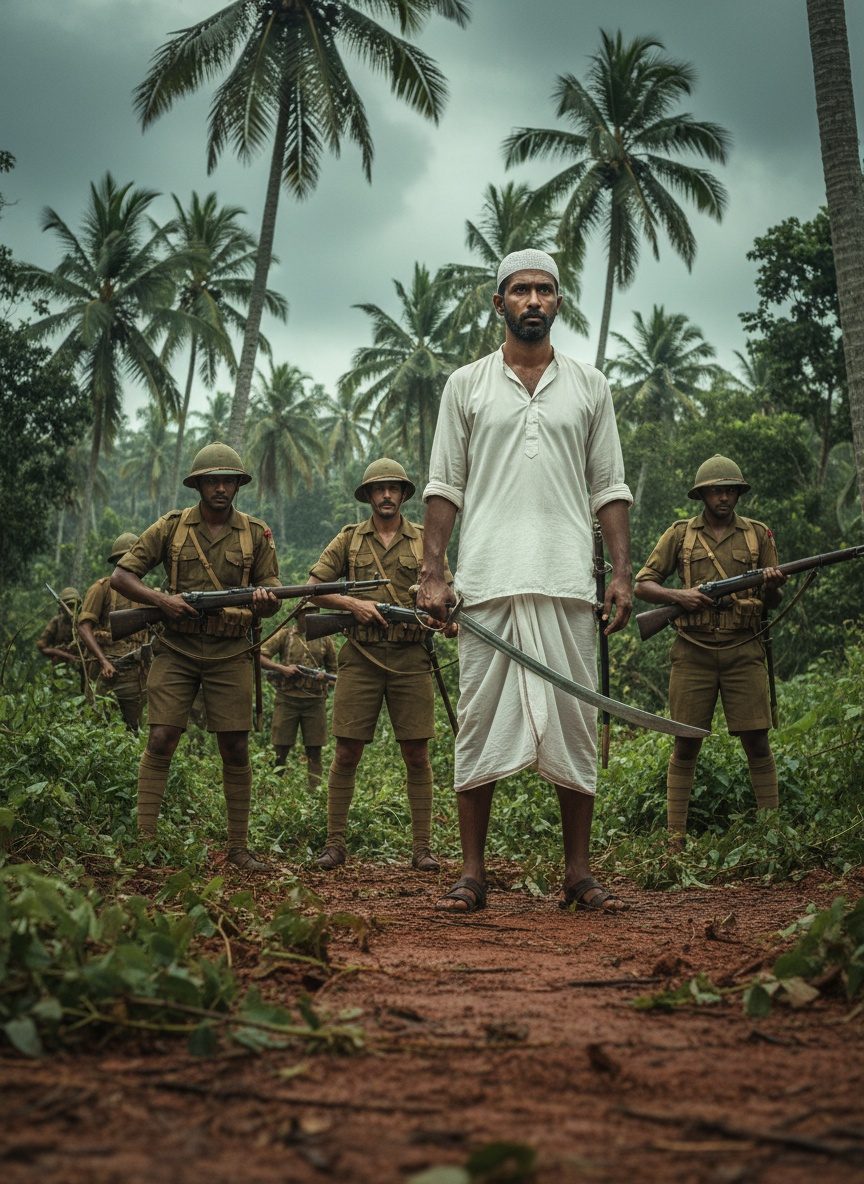
Mist hung low over the Nkandla forest, the morning light casting a silvery glow through the thick canopy. The delicate symphony of birds greeted the dawn while the pervasive scent of damp earth clung to the air, ever-present witnesses to a landscape untouched by time. But beneath this serene facade, the cracks of tension split the very air, drawing men toward a conflict that would carve their names into history. In 1906, the land of Natal found itself at a junction—a test of wills between imperial decree and indigenous sovereignty that threatened to alter the fabric of the colony.
The British imposition of a poll tax was a declaration of dominance, an onerous burden on the Zulu people who had borne the weight of oppression for years. This tax did not merely demand payments; it demanded submission to a system that saw them as little more than cogs in its imperial machinery. For Chief Bhambatha kaMancinza, this demand was an affront too great to ignore. As voices of dissent spread through the valleys and hills of Natal, Bhambatha emerged as the embodiment of resistance, refusing to be a mere instrument in the hands of the colonial administration.
Bhambatha's refusal to collect the tax was not merely an act of defiance; it was a signal that resonated across Natal, an echo of rebellion reaching every Zulu homestead. This protest was no hurried decision; it simmered in the depths of a people who had seen their land carved up and their traditions eroded. With formidable courage, Bhambatha chose to disappear into the enigmatic Nkandla forest, a move that puzzled and intrigued both allies and adversaries alike. Hidden among towering trees and underbrush, he began to raise the old shields—symbols of a warrior heritage the empire could never obliterate.
The forest itself became Bhambatha’s ally, its labyrinthine paths concealing him and those who rallied to his cause. To his followers, the forest was not merely a refuge but the heart of their motherland, offering a shield as they prepared to strike back. It was here, amidst the whispering leaves and shadowed glens, that Bhambatha orchestrated his plans. Word spread surreptitiously, rippling through warriors who once believed their spears would gather dust, now called upon for a battle steeped in the fervor of survival.
The stakes were high. The colonial government, perceiving Bhambatha's defiance as the nascent stirrings of a broader insurgency, moved to quash it with the might of military precision. Soldiers, unfamiliar with the intricacies of the forest, pursued insurgents whose intimate knowledge of the terrain gave them an upper hand. Yet Bhambatha’s resistance was more than a strategic strike; it was his assertion of identity, his claim to dignity, challenging the redoubt of colonial authority that sought to redefine his people's existence.
As battles flickered through the forest, each skirmish was laden with purpose, a mosaic of determination painted with the tenacity of warriors fighting for their way of life. The British, unprepared for the resolve and tactics of Bhambatha's resistance, were forced to rethink their approach. For the men in red coats, this was no ordinary engagement. It demanded reconciliation of the disparity between the imposing strength of empire and the unwavering spirit of an indigenous chief commanding loyalty and fearlessness among his people.
The cost of rebellion was great. The reverberations were felt not just in the physical toll but in the very ethos of Natal’s society. For the British, dealing with Bhambatha was not merely a challenge of gunpowder and tactics—it was an affront to imperial prestige. Each blow struck in the depths of Nkandla resounded as a reminder that subjugation was never absolute, that voices, even when marginalized, held the capacity to tremble the pillars of empire.
Bhambatha kaMancinza's uprising did not end with his victory; the suppression that followed was ruthless, a reminder of the lengths to which colonial forces would go to maintain control. Yet, in the annals of history, Bhambatha's story remains an indelible chapter, his name whispered in tales of defiance and courage under unyielding oppression. Though he would not live to see his ambitions realized, his struggle was a precursor to the growing discontent that would eventually burgeon into broader movements for autonomy and self-determination in the decades to follow.
This story of resistance is far more than a local skirmish etched into the pages of time. It is a striking illustration of human resilience, a testament to the enduring spirit of a people who, against formidable odds, refused to bend silently to the yoke of colonial rule. Bhambatha’s rebellion underscores a universal truth—that even in the shadow of immense power, the heart's defiance can forge legends that outlast empires. As the Nkandla forest stands eternal, so does the legacy of those who once sought its sanctuary, their cries for freedom merging with the timeless whisper of the wind through the trees.