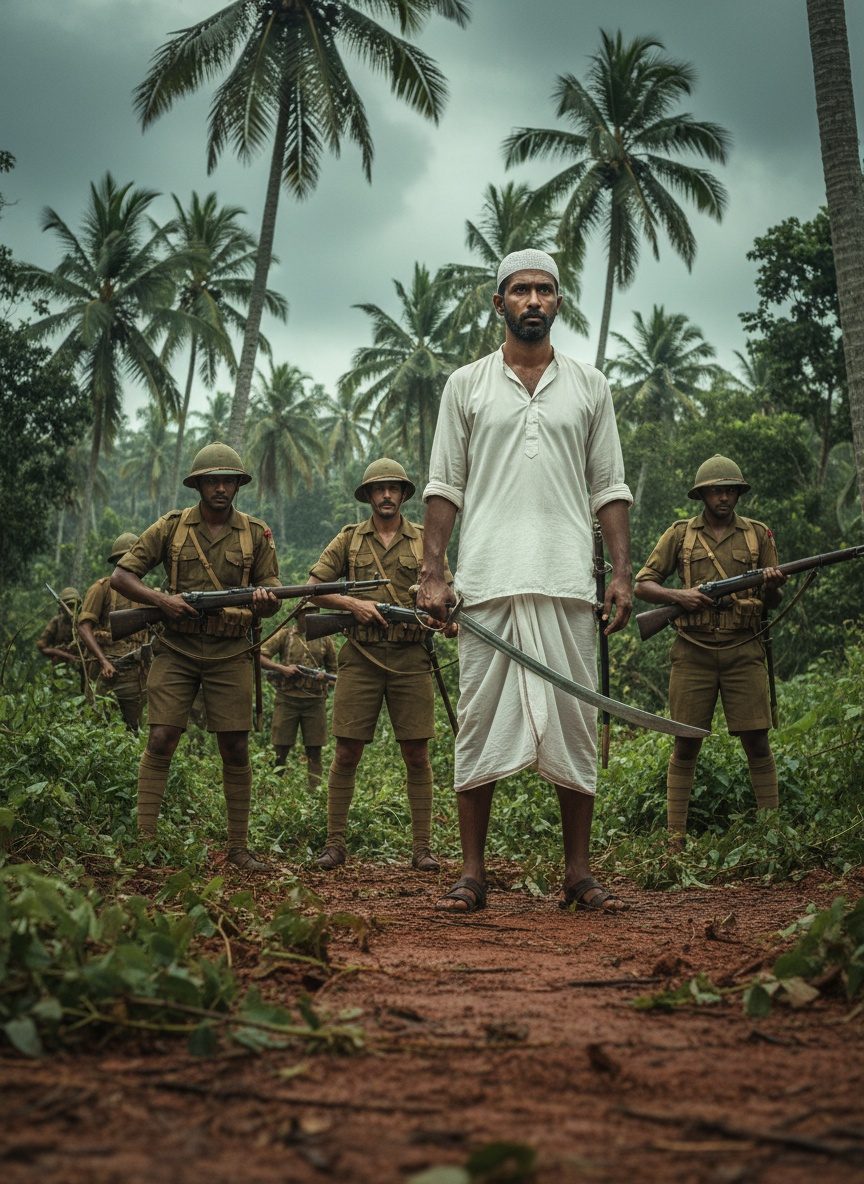
He was just a postmaster. In the midst of a famine that consumed southern India, William Digby wielded his pen against an indifferent empire with a fervor that belied his unassuming occupation.
The Silent Cries of Madras
The year was 1877, and Madras was a city groaning beneath the oppressive weight of starvation. The monsoon rains had failed, and the land lay parched, cracked by the unforgiving sun. This was not just any drought; it was the Great Famine, a catastrophe that carved a haunting scar across southern India. In the bustling British-controlled city, the air was thick with malnutrition and desperation, yet irony took sail every day from the bustling port.
Docks that should have offered hope instead trafficked in despair. Ships laden with grain departed for faraway shores while the people of Madras watched hollow-eyed, their bellies distended with hunger. It seemed an entire empire's wealth lay in the grain silos, yet the people starved. William Digby, a British journalist and part-time postmaster stationed in the city, could not ignore the juxtaposition of this grim tableau.
The Man with the Pen and the Passion
Digby’s voice was compelling not because it boomed from the halls of power, but precisely because it rose from the edges of officialdom. His outrage fueled a relentless stream of articles and pamphlets that exposed the truth many preferred to overlook: the empire’s prosperity was being built on the bones of the destitute. From the comfort of their UK seats, British officials dared hope that these Indian grievances were exaggerated, but Digby's vivid prose pierced their indifference.
His was a detailed ledger of human misery. Deaths were logged with the precision of a clerk, but conveyed with the empathy of one who felt each loss as a personal indictment. Corn traders, port officials, even government ministers found themselves thrust into the harsh light of public scrutiny by a man they never anticipated would challenge their narratives.
Names That Stirred a Nation
It would have been easy to lose hope, to let apathy drown the cries of the suffering. Yet, Digby's writing began to chip away at the stone walls of British detachment. The London dailies picked up his reports, and slowly the conscience of an empire stirred. Readers, shocked by the tales of starving children and futile deaths, demanded accountability.
Digby didn’t merely chronicle the despair with detached observance; he called out those who could effect change but refused to act. His courage inspired others to think deeply about the responsibilities of power and moral duty. The pressure mounted until the whispers turned into urgent calls for policy revision and reform. Could an empire built on commerce ever reconcile with the needs of its subjects?
Beyond Silence: The Waves of Action
As the public outcry gained momentum, the British government could no longer ignore the situation. Humanitarian aid began to trickle into Madras, painfully slow, but indicative of a shift in attitude. Relief efforts were organized; feeding stations appeared in a bid to stem the tide of death. This belated response revealed a tension between colonial economic interests and human compassion, one that Digby had forced into undeniable view.
The ramifications of his exposes were profound. Discussions began circulating in the corridors of power about the moral implications of British governance in India. What responsibility did the crown hold to ensure the wellbeing of its colonial subjects, particularly when the empire prospered in part due to their lands?
A Legacy of Awareness
William Digby never held a sword, yet he fought one of the most crucial battles with his pen. It was not the fear of tyranny that fueled his work, but a deeply-rooted sense of justice and humanity. Through his writings, the world saw the dark side of empire, a sobering image that even the most fervent imperialists could not ignore. His legacy is a poignant reminder that meaningful change often starts with one person's resolute voice, amplified until the world can no longer turn a deaf ear.
Digby’s crusade against indifference remains relevant today. In an age where voices are abundant, his story underscores the power of truth and accountability. His endeavor demands that we remain vigilant, listening for the cries of those the world forgets. For in history’s whispers, we are called to act, guided by the relentless heartbeat of conscientious individuals like him.