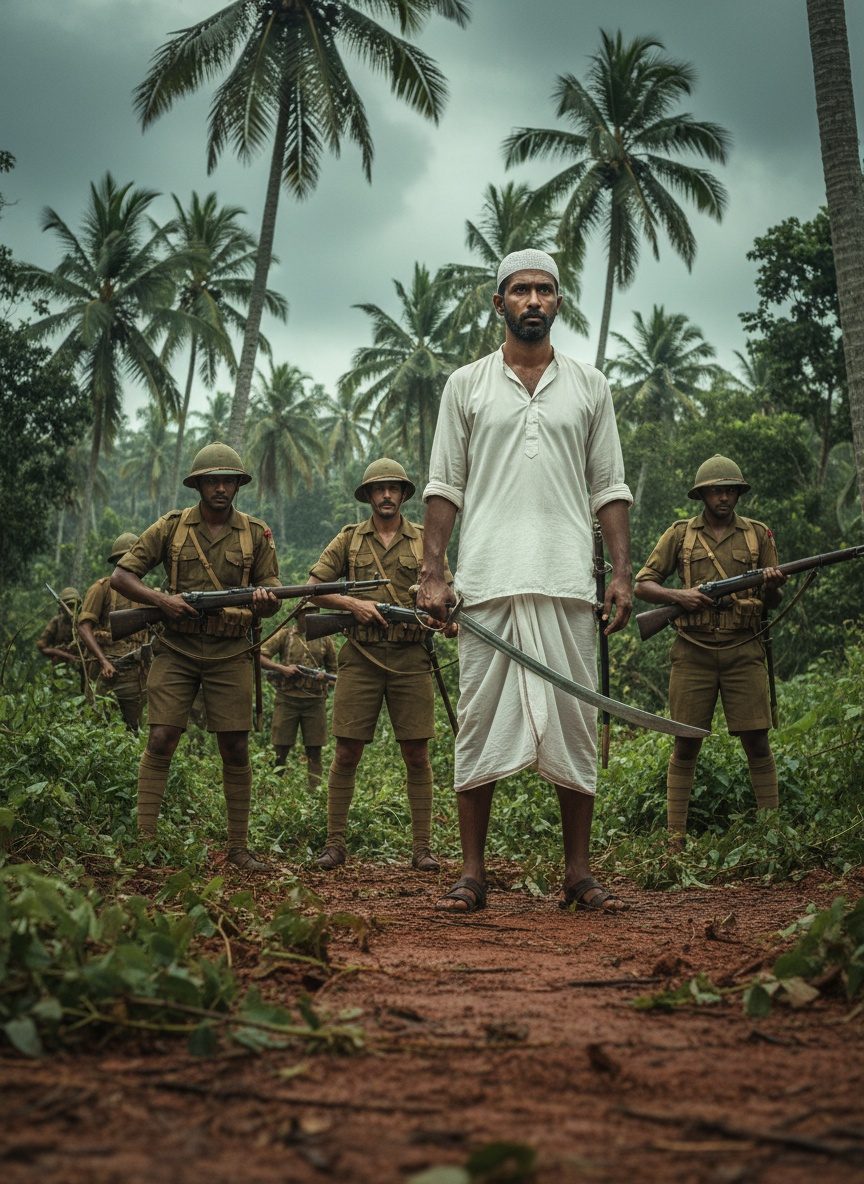
The morning mists of Bengal linger heavily in the pre-dawn light, curling around the ancient banyan trees that line the narrow paths like ghostly sentinels. The air is dense with humidity, the impending monsoon storm serving as a backdrop to the thick, sweet scent of wet earth and growing things. Somewhere in the distance, a koel bird calls out, its haunting notes echoing through the silence just before daybreak. Amid this ethereal scene, a lone figure emerges, silhouetted against the first hint of an orange horizon. Barefoot and unyielding, he begins his journey — twenty miles to traverse today, and the precious mail of the colony securing his income and purpose.
The Relentless Rhythm of the Postal Dak
In the 1880s, the sprawling province of Bengal was interconnected not by rail or road, but by a network of runners — the postal dak, a living artery pulsing with the vital communications of the British Empire. These runners were no mere couriers; they were custodians of connectivity in an era of burgeoning colonial administration and personal correspondence. Each step they took brought messages across the lush, unpredictable canvas of Bengal, charting routes through its rural heart where no cart dared to tread.
The dak runners, often overlooked in historical records, were the embodiment of endurance. Without the aid of shoes or modern gear, they traversed the Bengal countryside with nothing but a sack slung over their shoulders, often woven from jute — the province's most abundant crop. Their journeys began in the cool darkness before dawn, each step measured and rhythmic, meant to carry them over dusty roads and jungle paths, across riverbanks swelled with monsoon rains, and through the stinging heat of midday sun.
With every mile, the runners faced hidden perils. Leech-infested waters and poisonous snakes were common adversaries, and yet they persevered. The Bengal Tiger, specter of the Indian wilderness, also lurked, a threat not only to themselves but to the elusive mails they carried. Yet, their commitment to the task transcends what might be understood by their masters in far-off offices. Letters from loved ones, business contracts, government orders — each fold of paper was imbued with significance, and the runners bore this burden with an unspoken honor.
Against the Elements
Monsoon season in Bengal is an unyielding force of nature, a time when the skies darken and release torrents that transform rivers into raging serpents and paths into muddy quagmires. It is during these fierce months that the mettle of the dak runners was truly tested. Mud clung to their feet with every step, but the runners were taught to navigate with precision born from intimate familiarity with their routes.
Amidst the deluge, they struggled across flooded fields, their lean forms braced against the relentless downpour. Their destinations were often remote villages, cut off from the rest of the province and reliant on their service for communication with the outside world. The significance of their role grew even more substantial as monsoon blockages made travel impractical for most.
Even on days when the sky was clear, the oppressive heat bore down upon them, leeching strength from every fiber of their being. The bright sunlight refracted harshly off the emerald green leaves of the lush countryside, offering no respite. Yet, driven by duty and the deceptively simple motto of *no letter left behind*, they pressed onward. The tendrils of sweat that trickled down their brows and into their eyes were a minor inconvenience in the face of their greater commitment.
Beyond the Silence
The duties of the postal dak runners were conducted in silence, a meditation that allowed for an intimate communion with their environment and the pulse of colonial life across Bengal. They were seldom given the accolade of ceremony or rank, their essential contribution often reduced to footnotes in history. Yet, these men were the hidden architects of hundreds of relationships, the unsung heroes behind flourishing businesses and distant family bonds.
Occasionally, a letter from a child might include a small token of appreciation — a colorful bead or a drawing — a rare acknowledgment of their service. In these moments, the weight of solitude might lift slightly, reminded of the disparate lives they connected with each journey. While they moved through landscapes, they knitted together the human tapestry of the British Raj, bridging divides that spanned both physical distance and the less tangible gulf between colonizers and colonized.
Tucked away in quiet corners of history, these postal runners facilitated a symbiosis that powered the machinery of an Empire. Their untiring resolve echoes through time as a testament to human endurance and dedication. At a time when written communication formed society's backbone, they ensured that no monsoon storm, no sweltering heat, would halt the vital beats of ink and paper.
Today, as we ponder the marvels of modern communication, we are reminded of the determination that forged its foundations. The gallant dak runners of Bengal, treading pathless jungles and crossing murky rivers, are perhaps the greatest reminder of humanity's relentless quest to reach out and connect. Their narrative, forged under the green canopy of history, remains a journey unanswered if left untold.