He was a scholar from Jiangxi. He rejected the most powerful man on earth.
A Scholar at War
Wen Tianxiang was not born into a family of warriors, nor did he spend his youth dreaming of martial glory. In fact, he had every reason to embrace a life of literary pursuits and civil service, as was common for men of talent during the Song Dynasty. Known for his intellect and integrity, Wen passed the demanding imperial examinations to become a jinshi, a member of an esteemed scholarly elite. Yet destiny had other plans. When the Yuan forces of the Mongol Empire, led by Kublai Khan, swept through the crumbling lands of the Southern Song, Wen found himself thrust into a chaotic world where his pen would prove just as vital as any sword.
As Mongol conquests pushed southward, consuming vast swathes of Chinese territory, Wen Tianxiang emerged as an unlikely leader. He was appointed a chancellor of the Song dynasty, a role that became embattled with impossible challenges. The Mongols, renowned for their strategic military prowess and overwhelming might, seemed unbeatable. Yet Wen’s resolve did not falter. Against all odds, he fervently defended his land and people, orchestrating military resistance with the same precision he had once applied to poetry. Under the shadow of overwhelming power, Wen embodied a spirit of stewardship and bravery, becoming a symbol of resistance against the inexorable tide of Mongol domination.
While many capitulated, Wen stood firm, embodying the Confucian virtues of loyalty and righteousness. He was responsible for organizing complex maneuvers and defenses, displaying ingenuity in leadership. He understood the futility on a grand scale but strove to delay the inevitable, to preserve the dignity and spirit of the Song people a little while longer. Though ill-suited by birth and training for the rigors of warfare, Wen Tianxiang's unwavering commitment to the Song marked a chapter of sacrifice and extraordinary resilience.
The Unyielding Minister
With the fall of the Song Dynasty in 1279, Kublai Khan's victory seemed total. The Mongol ruler established the Yuan Dynasty, ruling over a unified China with a potent blend of fear and admiration. In the face of this overwhelming force, many former Song officials transitioned into roles within the new regime, seeking survival and prosperity under Mongol authority. However, Wen Tianxiang was different. Captured by the Khan’s forces during his final attempts to ignite a rebellion, Wen stood proud—not as a vanquished prisoner, but as an unwavering icon of integrity.
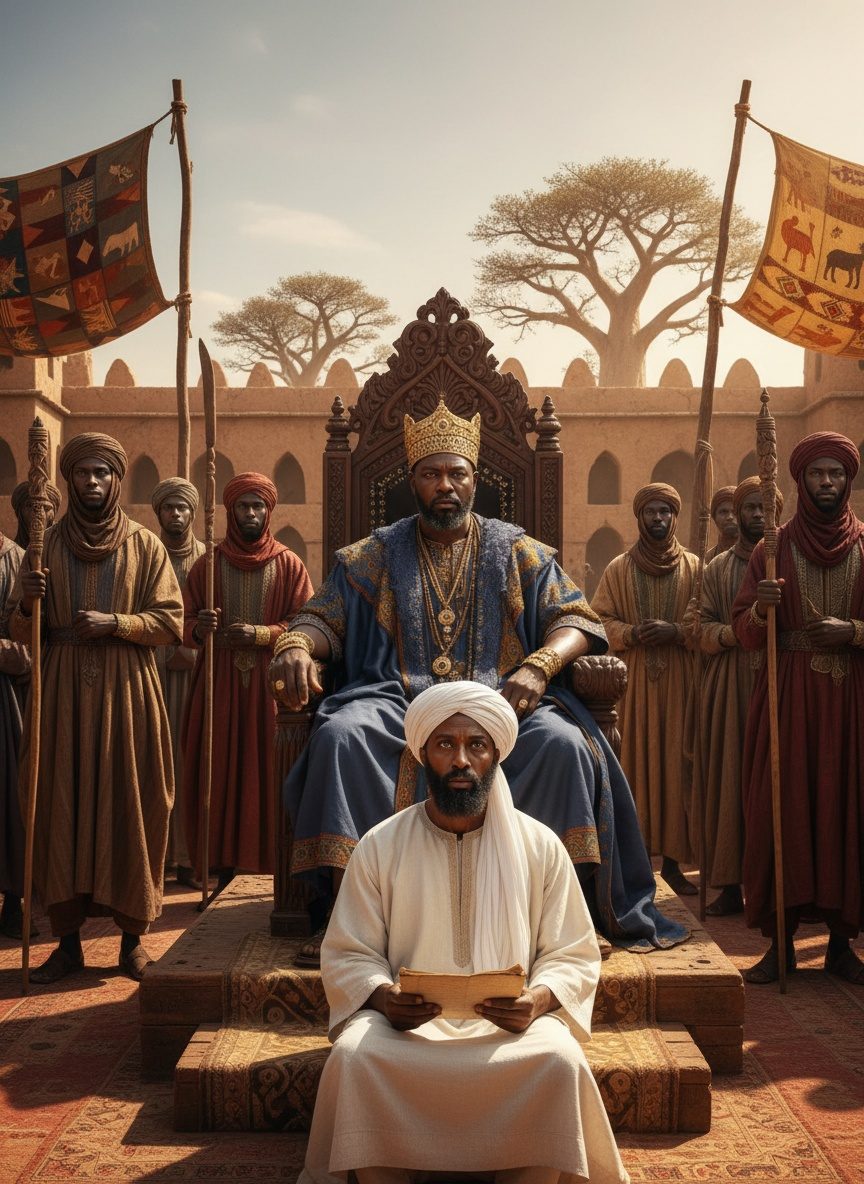
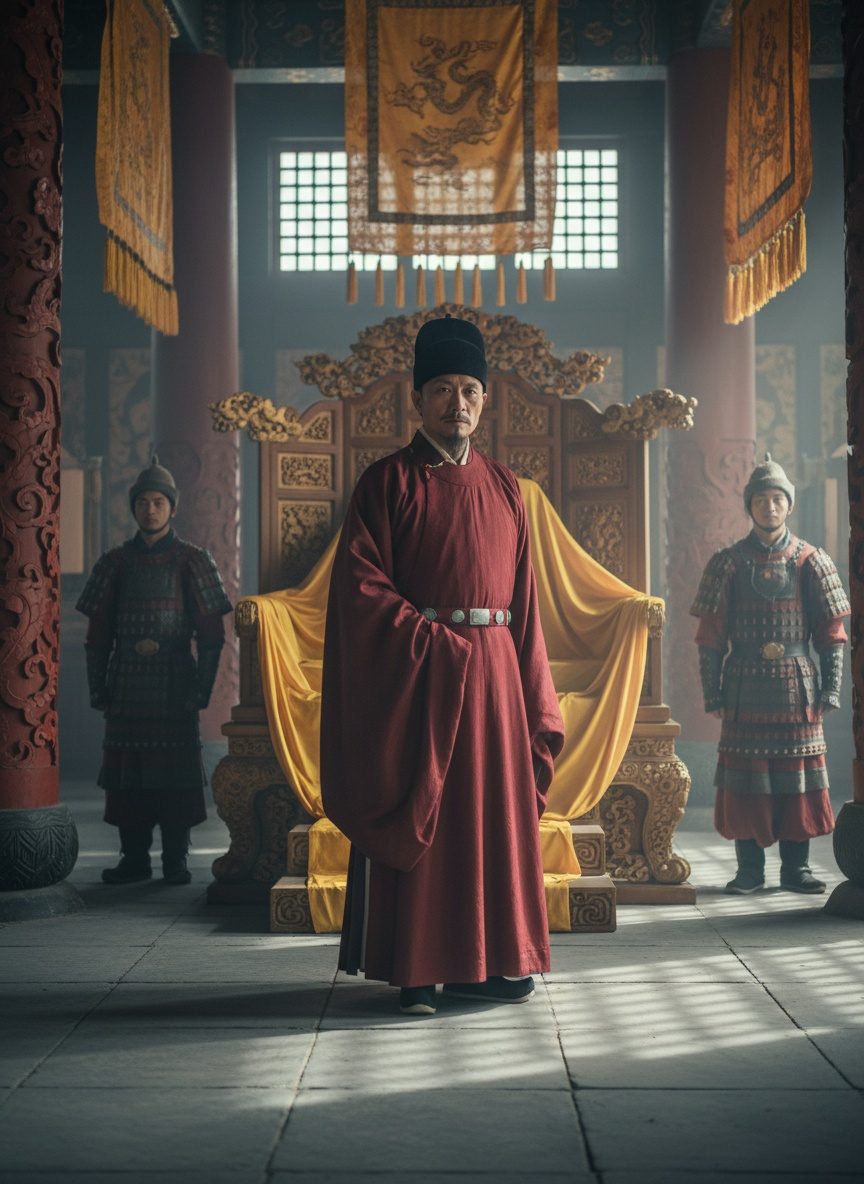
When Wen Tianxiang entered the court of Kublai Khan, he found himself amidst an opulence that could easily sway the strongest of wills. Kublai not only recognized Wen's capabilities but saw an opportunity to bolster his own rule by turning such a noble adversary into an ally. The Khan offered Wen high office, wealth, and even a kingdom of his own—a realm where Wen could live in splendor, a sizeable reward for joining an empire that regarded all opposition as futile.
Yet, Wen Tianxiang did the unthinkable. Before the grandeur of the Khan's court, Wen refused. His spirit was unyielding, his heart anchored in a loyalty that no gold nor title could tarnish. For him, the greatest riches lay in maintaining his honor and the legacy of a dynasty he had pledged himself to defend. In a world reshaped by Mongol superiority, Wen’s decision baffled many but resonated deeply with those who valued truth and virtue above temporal power. His choice was not just a refusal; it was a testament to his beliefs—he would rather embrace death than betray his country or his principles.
The Martyrdom of Wen Tianxiang
For several years after his capture, Wen Tianxiang remained in captivity, his fate hanging in the balance. His captors hoped time would erode his resolve, that the weariness of prison life would breed a desire for the comforts he once rejected. Yet, each passing day only solidified his commitment. Despite the harsh conditions, Wen's scholarly mind did not wither. It was during this imprisonment that he composed “Song of Righteousness,” a poignant reflection of his enduring principles, which would live on long after him. Through his poetry, Wen distilled the essence of his sacrifice, capturing a spirit that refused to capitulate.
In 1283, the inevitable came to pass. Refusing to yield or to serve, Wen Tianxiang was executed, becoming a martyr for a lost epoch that resisted the crushing weight of history. In that ultimate act of defiance, Wen transcended his mortal bindings, transformed from mortal man to eternal symbol. For Kublai Khan, it was a rare and begrudgingly admired display of steadfastness—in an empire characterized by sweeping change, Wen Tianxiang’s immovable nature left an indelible mark.
The legacy of Wen Tianxiang endures in ways that transcend mere historical recounting. His story is a prism revealing insights into the human spirit and its boundless resilience, highlighting a profound facet of personal and collective identity. In a world dominated by power and conquest, Wen reminds us that the greatest victories are not always those etched on maps, but in the steadfastness within human hearts, the refusal to betray the values upon which one's life is founded. Amid tales of empires conquered and lost, his unwavering stance resonates as a story of resistance to compromise, evoking reflection on what it means to live with honor in the face of insurmountable odds.