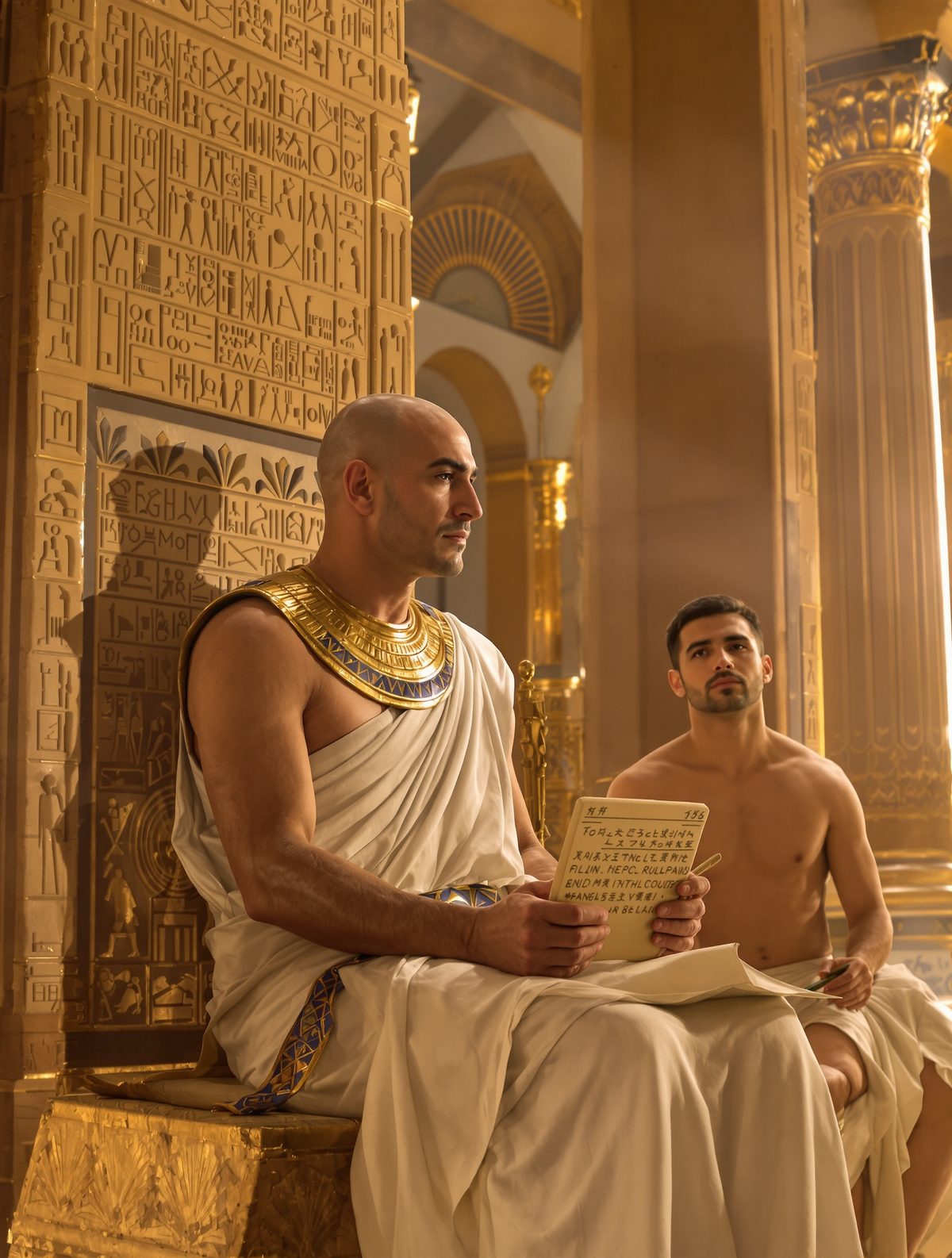
In the grand palace of Chang’an, under the shimmering silk banners and the watchful eyes of dragon-carved columns, an event unfolded that would etch itself into the annals of history. A lone voice dared to echo through the hall—a voice later muted not by death but by the sharp pain of survival. This voice belonged to Sima Qian, a man whose conviction for truth led to his eternal infamy, not just because of the punishment he suffered, but due to the legacy he chose to fortify even in his most broken state.
The Court, the General, and the Fall from Grace
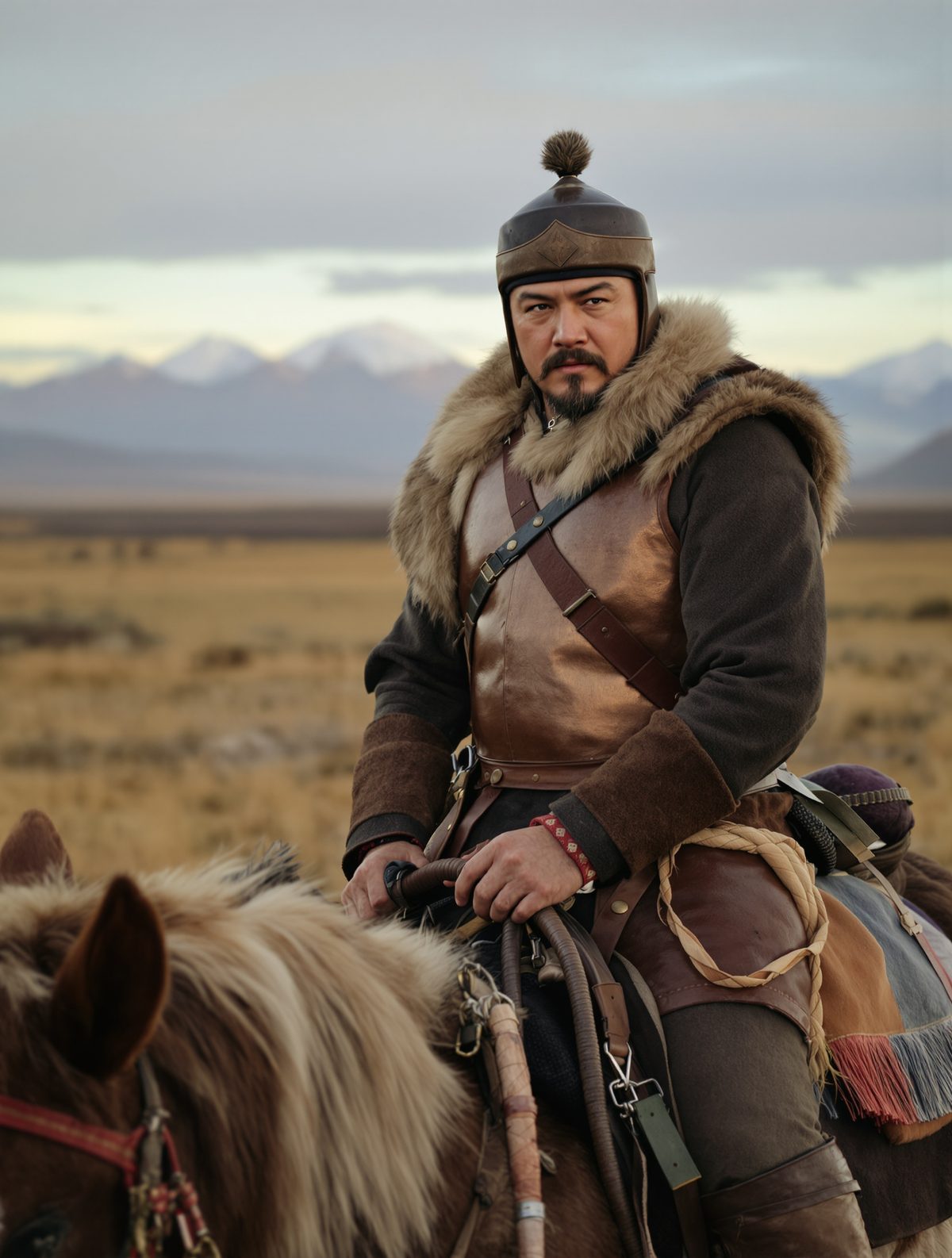
The year was 99 BC, and the throne of the Han Dynasty was occupied by Emperor Wu, a ruler renowned for his aggressive expansionist policies and staunch demand for loyalty. Amid arrows and armor, one general stood out: Li Ling, a valiant warrior dispatched into the perilous frontier to quell the menace of the Xiongnu nomads.
However, Li Ling’s military endeavors would end in disaster—defeated and captured by the Xiongnu, a turn of events that Emperor Wu viewed as the ultimate treachery. A thunderous storm of accusations brewed in the court, with officials eager to condemn the fallen general. Yet, amidst this cacophony, an unexpected defense arose from an unlikely quarter.
Sima Qian, the Grand Historian, known for his unyielding pursuit of truth, ventured where others feared to tread. He spoke—a single sentence steeped in reason and sincerity—in defense of Li Ling’s character and the impossible odds he faced. Such temerity would not be forgiven by the incensed emperor, who decreed a sentence revolting in its cruelty: the emasculation of Sima Qian’s body and dignity.
The Legacy of a Father’s Vision
To understand why Sima Qian chose such an ignominious fate over death, one has to journey back in time to grasp the gravitas of the work bequeathed to him by his father, Sima Tan. The elder Sima had started an ambitious project—a comprehensive history of China, a tapestry meant to span all reigns and epochs. This project, Shiji or the Records of the Grand Historian, sought to capture “the world of past men” in all its glory and failings.
Sima Tan’s untimely demise left behind an unfulfilled vision simmering with potential yet hung in the balance of uncertainty. With a dying wish, he entrusted his son, Sima Qian, to complete this monumental work. Bound by duty and filled with fervent passion, Sima Qian devoted his life to penning the vast swath of China’s storied past, ensuring voices both virtuous and villainous would not be silenced by the passage of time.
The Agony of Acceptance and the Triumph of the Pen
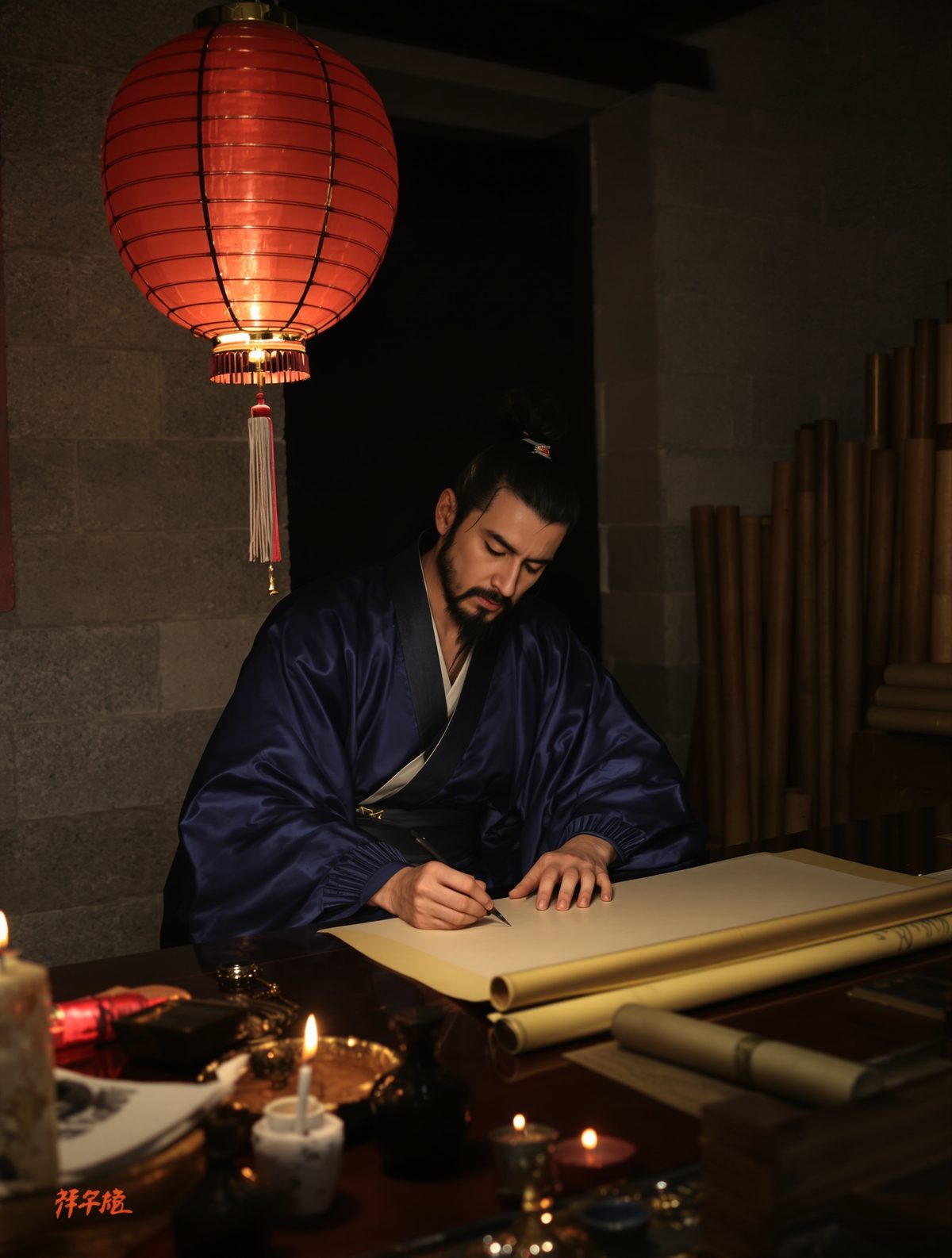
Every pen stroke Sima Qian made henceforth became imbued with the weight of his sacrifice. Castration, a punishment designed to sever lineage and legacy, had ironically made Sima Qian the immortal chronicler of those very concepts. In his prison cell, with each dusty draft and fine brushstroke, he transcended the fetters of his physical demise, weaving narratives that would echo through thousands of years.
Sima Qian transformed his anguish into revelation, scouring mountains of bamboo slips and shuffling through the imperial archives to distill the tales of emperors, peasants, philosophers, and warriors. He brought color to the grayscale of forgotten history, painting vivid pictures of heroism, enlightenment, and hubris.
A Revelation of Humanity
The Records of the Grand Historian, when completed, stood firmly as a document par excellence—encompassing 130 chapters that delved into the intricacies of over 3,000 years. It chronicled dynasties and the fortunes they made or squandered. Yet the heart of Sima Qian’s opus lay in his unflinching portrayal of the human condition, unmasking pettiness, courage, despair, and resilience alike.
Through his work, readers witnessed the unraveling of the Qin Dynasty’s harsh rule and its unifying innovations, followed by the early Han’s beneviolence entwined with power struggles and ambition. His insights not only deepened the understanding of Chinese history but underscored the universal truths that weave humanity together across time and space.
A Legacy Unbroken
More than two millennia since its penning, Sima Qian’s masterwork continues to inform, enlighten, and inspire historians and laymen around the globe. His sacrifice—a testament to bravery—came not in the form of battlefield gallantry, but through quiet conviction and resilience against tyranny.
Today, as we explore and preserve history in its myriad forms, Sima Qian’s story reminds us of the staggering importance of truth and steadfast determination. In an era where misinformation is rampant and voices are often suppressed, his perseverance toward completing the Shiji is a clarion call to those who dare to uncover and celebrate untold stories.
The legacy of Sima Qian breathes vigor into the fabric of historiography, compelling us to ponder: what truths are we willing to uphold, no matter the cost?