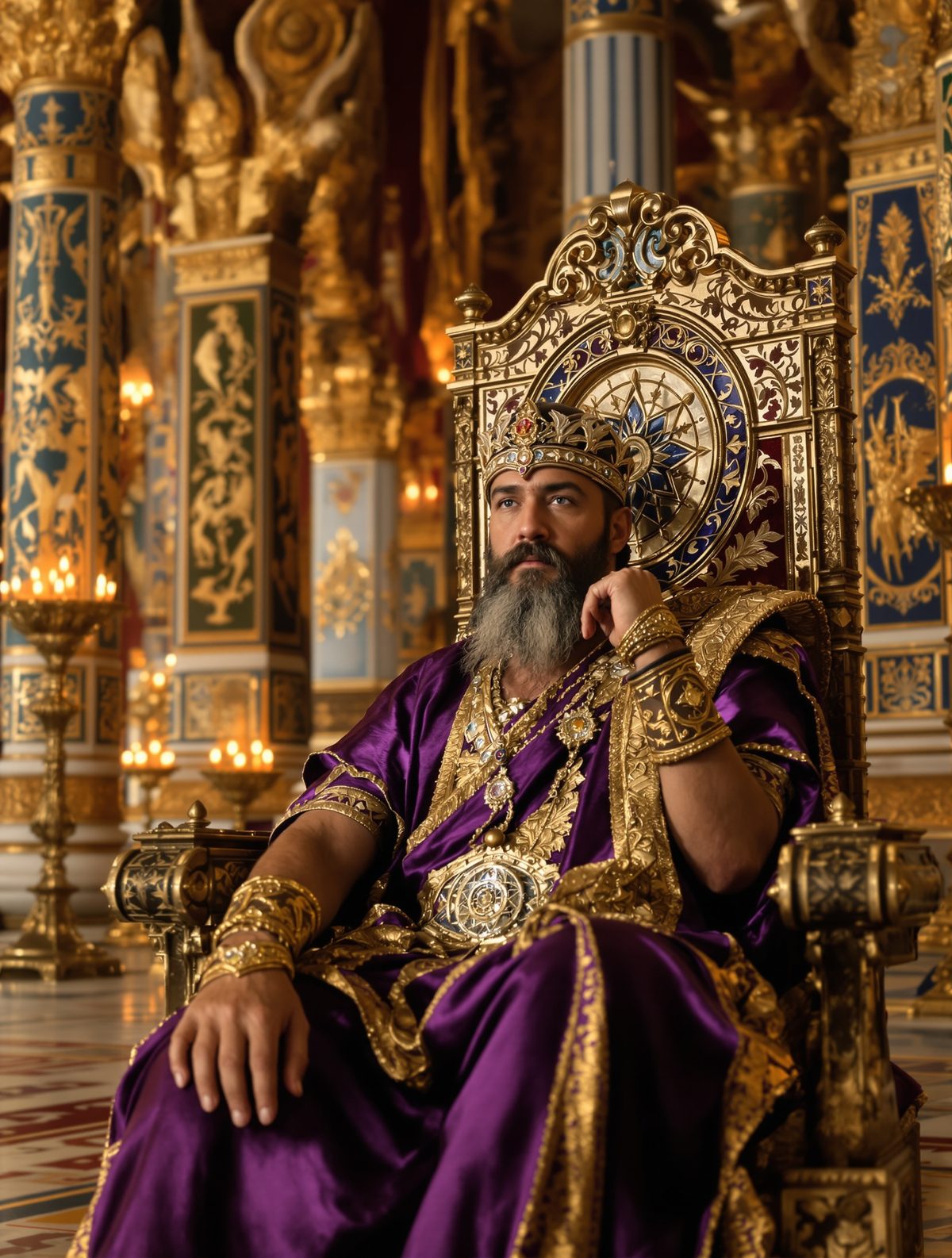
Picture this: it's a sweltering afternoon in Athens, 534 BC. Thousands of citizens have gathered in the sacred precinct of Dionysus, their voices buzzing with anticipation for the annual festival honoring the god of wine and ecstasy. On the circular dancing floor called the orchestra, fifty men in matching robes begin their familiar ritual—chanting in perfect unison, their voices blending into one collective prayer that has echoed through these hills for generations.
Then something impossible happens. One man steps forward from the group. The chorus falls silent. This lone performer, a man named Thespis, looks directly at the stunned crowd and speaks—not as himself, not as part of the sacred chorus, but as someone else entirely. In that electrifying moment, as thousands of Athenians held their breath, the very concept of acting was born.
What Thespis did that day was nothing short of revolutionary. He shattered the most fundamental rule of Greek religious performance and, in doing so, invented an art form that would captivate humanity for the next 2,500 years and counting.
The Sacred Dance Before the Revolution
To understand just how radical Thespis's moment was, we need to step into the sandals of a 6th-century Athenian. Religious festivals weren't entertainment—they were sacred duty, as essential to civic life as voting or military service. The Great Dionysia, held each spring, was the most important of these celebrations, drawing visitors from across the Greek world to honor Dionysus, the god of wine, fertility, and divine madness.
For centuries, these festivals had followed the same pattern. Choruses of citizens, usually numbering fifty, would perform elaborate songs called dithyrambs. These weren't casual sing-alongs—they were precisely choreographed rituals where every voice had to blend seamlessly with the others. The idea of individual expression was not just discouraged; it was blasphemous. The chorus represented the community speaking with one voice to the gods.
Thespis himself was likely a respected member of Athenian society, possibly even from a noble family. Ancient sources suggest he was already known as a skilled performer and poet, someone who understood the traditional forms better than most. Which makes what he did next all the more shocking.
The Moment That Changed Everything
We can only imagine the tension in the air as Thespis broke ranks with the chorus. Ancient accounts tell us that he didn't just speak—he engaged in dialogue with the chorus leader, creating the first-ever dramatic conversation in human history. Some sources suggest he may have even disguised his face with white lead paint or wine lees, making his transformation into "another person" visually striking.
What did he say? The exact words are lost to history, but we know the theme involved stories of gods and heroes—probably tales from the rich mythology surrounding Dionysus himself. The content mattered less than the form: for the first time ever, someone was pretending to be someone else in a public performance.
The crowd's reaction was electric. Some ancient writers claim that people were so startled they fled in terror, convinced that Thespis had been possessed by a god or demon. Others were transfixed, recognizing that they were witnessing something entirely new. The festival judges, who had been prepared to evaluate traditional choral performances, found themselves scrambling to make sense of this unprecedented art form.
Remarkably, they declared Thespis the winner—the first actor in history was also the first to win an award for acting.
From Wagon Wheels to Theater History
Winning that first competition launched Thespis into what we might recognize as the world's first theatrical career. Ancient sources tell us that he formed a traveling company, loading his props and costumes onto a wagon and taking his revolutionary performances to towns across Attica. This mobile theater troupe was probably the first professional acting company in history—a remarkable entrepreneurial leap for someone who had just invented the very concept of professional acting.
But Thespis didn't stop with his initial breakthrough. He continued to innovate, introducing elements we still associate with theater today. He's credited with developing the first theatrical masks, which allowed a single actor to portray multiple characters by simply changing faces. These weren't the elaborate masks we associate with later Greek theater—those were probably simple face coverings made of linen or lightweight wood.
Even more importantly, Thespis began to develop what we might call character acting. Instead of simply reciting epic poetry, he started to embody the emotions and personalities of the figures he portrayed. Ancient critics noted his ability to "become" the heroes and gods he portrayed, making audiences forget they were watching a performance.
The Ripple Effects of a Revolutionary Act
Within a generation, Thespis's innovation had transformed Athenian culture. Other performers began experimenting with his techniques, adding their own innovations. Choerilus introduced elaborate costumes and stage machinery. Phrynichus added female characters, though they were still played by male actors. Most significantly, Aeschylus revolutionized the form by adding a second actor, making true dramatic dialogue possible.
By 500 BC—just thirty-four years after Thespis's breakthrough—Athens had established the world's first official dramatic competitions. The City Dionysia featured contests between tragic poets, with each required to present three tragedies and one comedy. Prize money was substantial, and winning brought not just personal glory but civic honor.
The economic impact was equally remarkable. The theater industry created jobs for actors, chorus members, costume makers, set builders, and musicians. Wealthy citizens competed to sponsor productions, turning theater into a vehicle for both religious devotion and political influence. The great outdoor theater of Dionysus, built into the hillside below the Acropolis, could seat up to 14,000 people—making it one of the largest entertainment venues in the ancient world.
Why Thespis Disappeared from History
Here's one of history's great ironies: the man who invented acting left behind almost no trace of his actual work. Unlike Aeschylus, Sophocles, or Euripides, whose plays survived in manuscript form, not a single complete work by Thespis exists today. We have a few tantalizing fragments—maybe a dozen lines of poetry that scholars believe might be authentic—but that's all.
This wasn't uncommon for early theatrical works. Many were improvised or existed in oral tradition rather than written scripts. Others were simply lost as the theatrical world moved on to more sophisticated forms. By the time scholars began systematically collecting Greek literature, Thespis's works were already ancient history, remembered more for their historical importance than their artistic merit.
Yet his name survived in a way that's both fitting and touching. By the 3rd century BC, Greek writers had begun using the word "thespian" to refer to actors in general. Today, nearly 2,600 years later, we still call performers "thespians" in honor of that long-ago afternoon when one brave soul stepped forward and changed human culture forever.
The Man Who Gave Us Make-Believe
When we watch a movie, attend a play, or even see our children engaging in imaginative play, we're witnessing the descendants of Thespis's revolutionary moment. That single step forward from the chorus line created the template for all dramatic performance: the idea that one person can convincingly portray another, that audiences will willingly suspend their disbelief, and that stories become more powerful when they're embodied rather than simply told.
Think about it: every Oscar winner, every Broadway star, every child playing dress-up is following in the footsteps of a 6th-century Greek performer who had the audacity to break the rules. In our age of digital entertainment and virtual reality, when we're constantly exploring new ways to tell stories and create alternate realities, Thespis's innovation feels remarkably contemporary. He understood something fundamental about human nature: we crave stories, and stories become infinitely more compelling when someone brings them to life before our eyes.
In that moment of transgression in 534 BC, Thespis didn't just invent acting—he discovered one of the most powerful tools humans possess for understanding ourselves and each other. Every time we watch someone "become" someone else on stage or screen, we're participating in a miracle of imagination that began with one man brave enough to step out of the crowd and speak in someone else's voice.