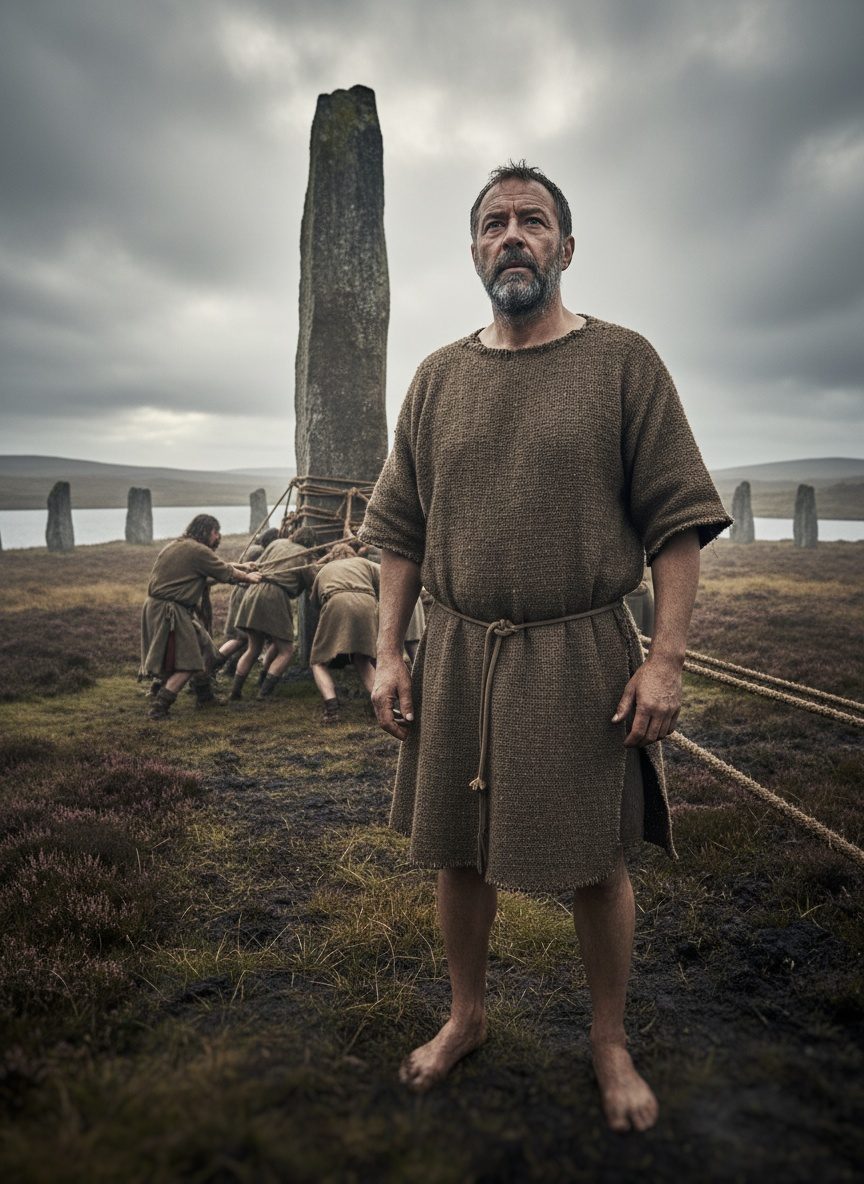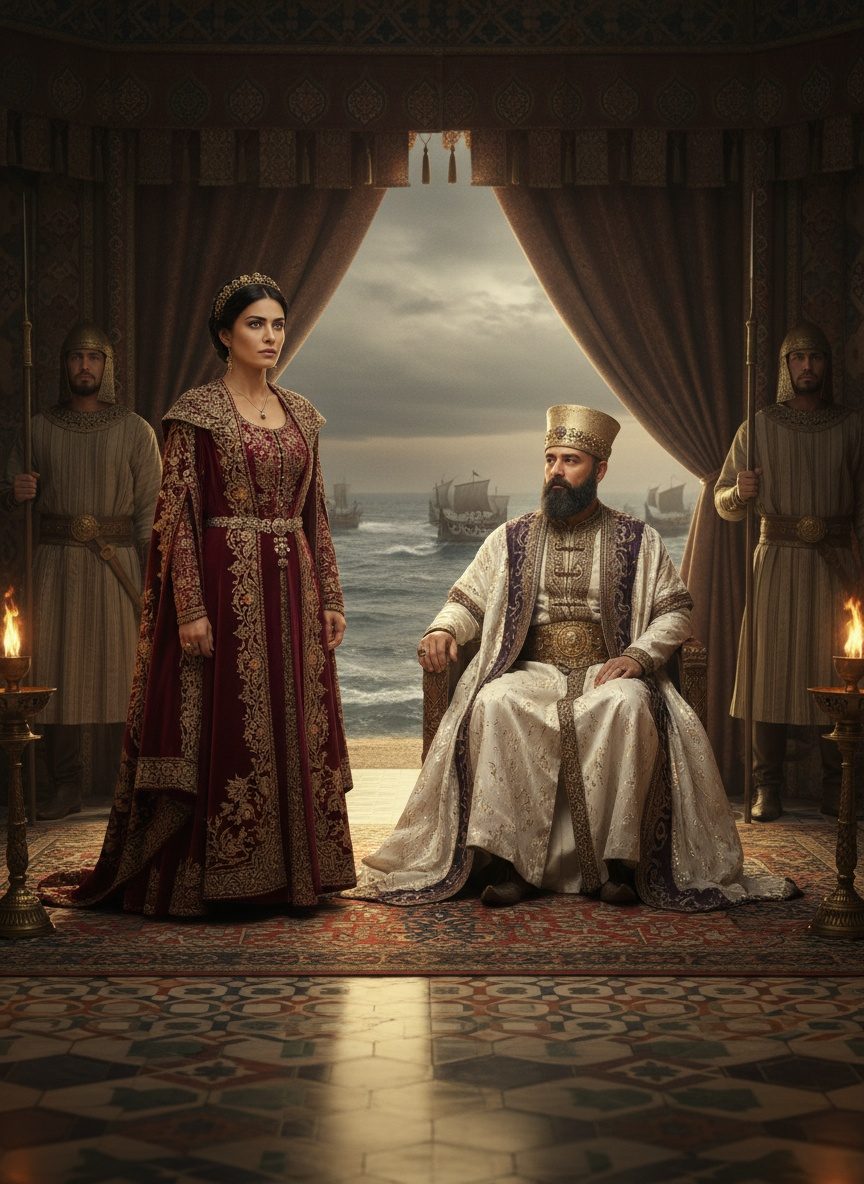
He was a Viking chieftain revered for his ferocity and feared across the British Isles. Yet, on a cold morning in 878 AD, he knelt humbly before an English bishop, preparing to renounce his pagan gods. The man was Guthrum, leader of the Great Heathen Army, whose conversion to Christianity would echo through the ages and reshape the very fabric of England.
The Great Heathen Army: Guthrum’s Rise
For years, Guthrum roamed the English countryside like an avenging Norse god, his warriors a tempest of iron and fury that swept through kingdoms. Born into a world of endless feuds and shifting tribal allegiances, Guthrum emerged as a formidable leader in the Great Heathen Army—a coalition of Viking warriors that descended upon England in the late 9th century. This daunting collective was said to have shattered kingdoms as if they were nothing more than fragile pottery.
Fuelled by a lust for land and riches, Guthrum's forces rampaged across Mercia and East Anglia, leaving smoldering ruins and blood-soaked fields in their wake. Churches were particularly inviting targets, as treasure and tribute were hoarded within their solemn walls. With their swift longships and lethal axes, the Vikings were unrivaled marauders, able to appear and vanish like phantoms, leaving no corner of England untouched by their depredations.
Guthrum’s reputation grew with each conquest, yet with mighty power came great opposition. No amount of fire and steel, it seemed, could deter the resilient King Alfred of Wessex. Beneath his unassuming visage lay a mind keen as any blade, and when the Danish treaties crumpled like paper under the weight of Guthrum’s ambitions, Alfred marshaled his forces for a final confrontation. When Guthrum’s army besieged Chippenham in 878 AD, his destiny took an unexpected turn.
A Baptism in the Ashes of War
The clash at Chippenham proved pivotal as the Great Heathen Army found itself besieged by the determined Anglo-Saxons. Faced with strategic brilliance and unyielding resilience from Alfred, Guthrum saw his aspirations falter on English soil. It was here, amidst the crackling fires and drifting ash, that the Viking chieftain's fate was sealed not by the sword, but by an astonishing act of clemency.
Impressed by Alfred’s tenacity and wisdom, Guthrum agreed to an unprecedented treaty that offered him more than mere survival—it presented the chance for redemption. Alfred, recognizing an opportunity to secure a lasting peace, extended his hand not to a prisoner, but to a potential ally. The terms of the treaty included the astounding proposition of Guthrum’s baptism into the Christian faith, a gesture meant to solidify bonds in both realms spiritual and political.
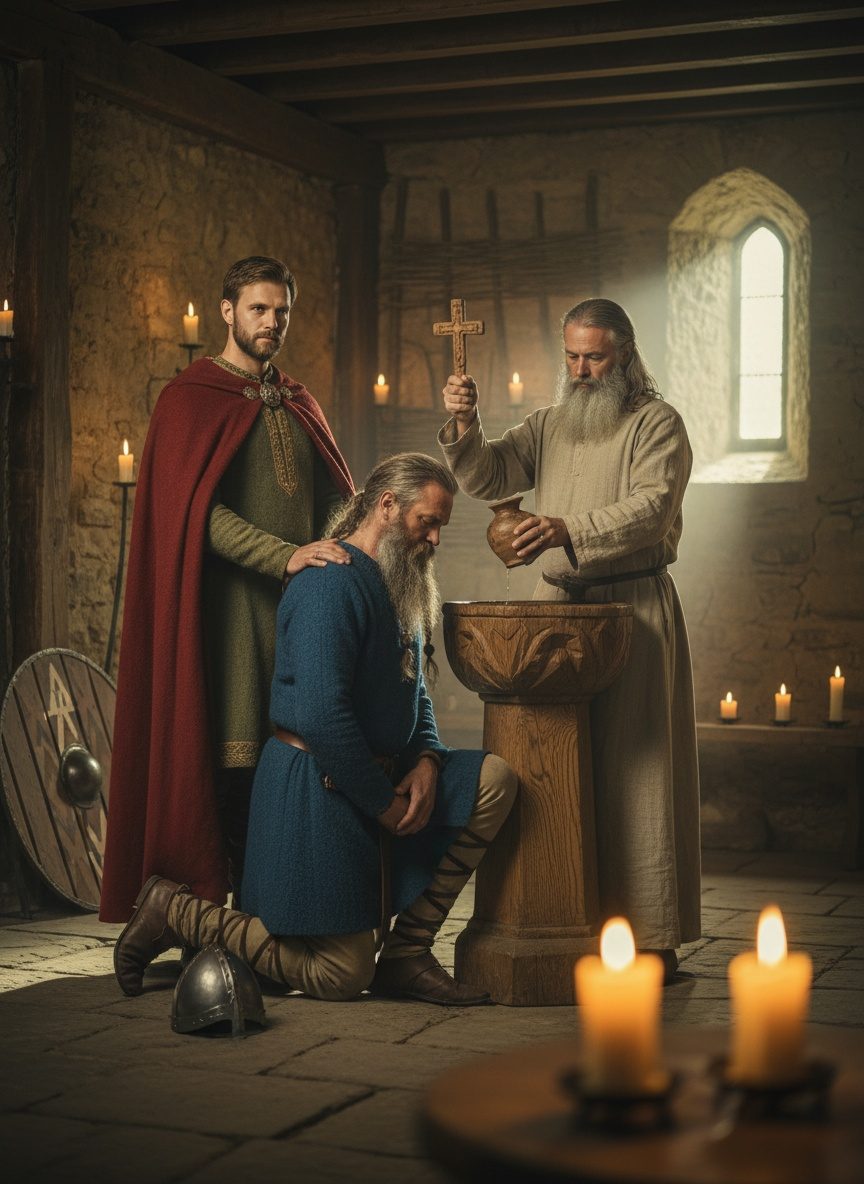
Thus, in a ceremony steeped in symbolism, Guthrum knelt before an English bishop, solemn and composed. As the sacred waters of the font poured over his brow, he rose anew, christened as Æthelstan, with none other than King Alfred standing as his godfather. In that defining moment, the Viking leader abandoned the old Norse pantheon, embracing the god revered by his former foes. The transformation was as profound as it was unexpected, leaving all of England reverberating with the implications of this event.
The Echoes of Conversion
The ramifications of Guthrum’s baptism resonated far beyond his personal salvation. It marked a crucial turning point in English history, illustrating intriguingly that conquest need not be only through steel and bloodshed, but also through hearts and faith. Guthrum’s acceptance of Christianity earned him a new position of influence in East Anglia, where he ruled until his death, maintaining peace—albeit a tenuous one—with the neighboring Saxons.
Guthrum’s conversion was a testament to the power of reconciliation and mutual respect in a time where betrayal and retaliation were the currency of survival. It paved the way for a more unified England, as the newly baptized Viking lord found common ground with former adversaries. This unlikely alliance set a precedent for future interactions between disparate cultures, merging Norse and Anglo-Saxon traditions into a rich tapestry that would form the bedrock of English identity.
Alfred’s decision to offer Guthrum baptism rather than further barbarity stands as a triumph of strategic magnanimity and shrewd diplomacy. It reminds us that real victories often lie not in the absolute defeat of the enemy, but in recognizing the humanity within each opponent. In an age defined by endless warfare, the kneeling of a Norse warlord before an English bishop provided the template for a new world, where faith and compromise might succeed where swords had failed.