The Ring of Brodgar is older than Stonehenge. Yet, its enigmatic stones remain a lesser-known marvel, patiently rooted in the heart of Orkney’s rolling landscape.
A Circle Older Than Pyramids
Long before the mighty pyramids of Giza reached for the sun, a group of Neolithic Britons carved out something equally monumental on the Orkney Islands. The setting: a gentle strip of land flanked by the serene waters of the Stenness and Harray Lochs. Here, unsung heroes of the Stone Age achieved a feat that defies the era's technological constraints — they built the Ring of Brodgar.
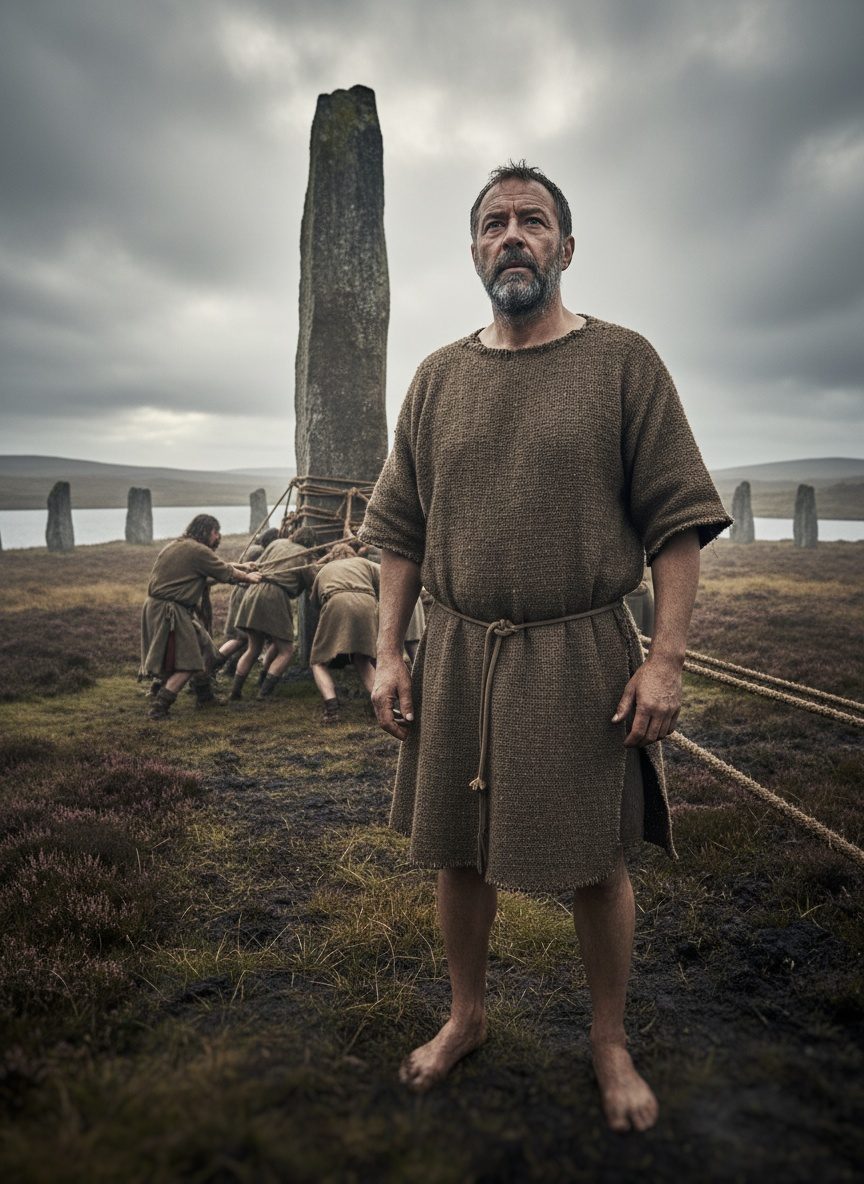
This stone circle, a masterpiece of early construction, consisted of sixty monolithic stones standing proud against the Orkney winds. Astonishingly, these giants were maneuvered without the aid of modern engineering — no wheels, no beasts, not even metal tools. Through sheer will and community effort, the stones were dragged across the landscape, their positions carefully calculated in a perfect circle nearly 104 meters in diameter. Today, only 27 stones remain, each one whispering the silent stories of man’s early architectural triumphs.
The Mysteries of Will and Stone
Why did they build it? This question lingers like the coastal mist that rolls across the Brodgar peninsula. Some speculate that the circle was a place of astronomical significance, possibly used to observe the celestial dance of the stars and planets. Others suggest it might have been a sacred gathering point, a stage for rituals and ceremonies that have been lost to time.
The colossal nature of the project speaks volumes about the Neolithic society that undertook it. The coordination required to outfit such an endeavor suggests a structured community, one united by common beliefs or shared purposes powerful enough to propel them into action. In an era when survival was paramount, the resources and labor devoted to Brodgar signal a place of profound importance. Perhaps these stones linked the earth to the heavens, crafted not just for those who stood before them, but as a testament to gods or forces beyond human comprehension.
Life Amid the Stones
Imagine the daily life of the people who lived around the circle. These were not solitary craftsmen but a vibrant community whose lives brimmed with the rhythms of nature’s seasons. They harnessed the landscape, cultivating what the land would offer — barley, wild game, fish from the lochs. In communal halls, stories likely danced from lip to ear, preserving oral traditions and knowledge across generations.
The Ring of Brodgar, acting as a fulcrum of their world, was imbued with energy and purpose. This was a place where actions taken in the circle might echo far beyond its confines. It was here, on the wind-swept hills, under a sky vast and open, that they perhaps came together not only to survive but to transcend. In ceremony and celebration, bonds would strengthen and the circle would solidify its presence as a significant cornerstone of their cultural identity.
The Lessons Carried Forward
The Ring of Brodgar stands as testament to the unyielding human spirit. Invisible threads connect us to those ancient architects who, without the tools or scripts we now deem essential, accomplished something extraordinary. Their story is more than the stone they left behind; it’s about the limits they defied to mark time and space with their vision.
Why does this matter today? In an age where technology rules and connectivity is instantaneous, Brodgar reminds us of the raw power of collective human endeavor. It tells a tale of community, vision, and determination transcending the constraints of the era. We may never fully decode the secrets hidden among its stones, but the circle remains an enduring beacon — a powerful reminder of humanity’s unyielding quest to leave an indelible mark on the world. The stones whisper to us still, urging us to look beyond, to reach for what seems impossible, and to create with heart and unity.