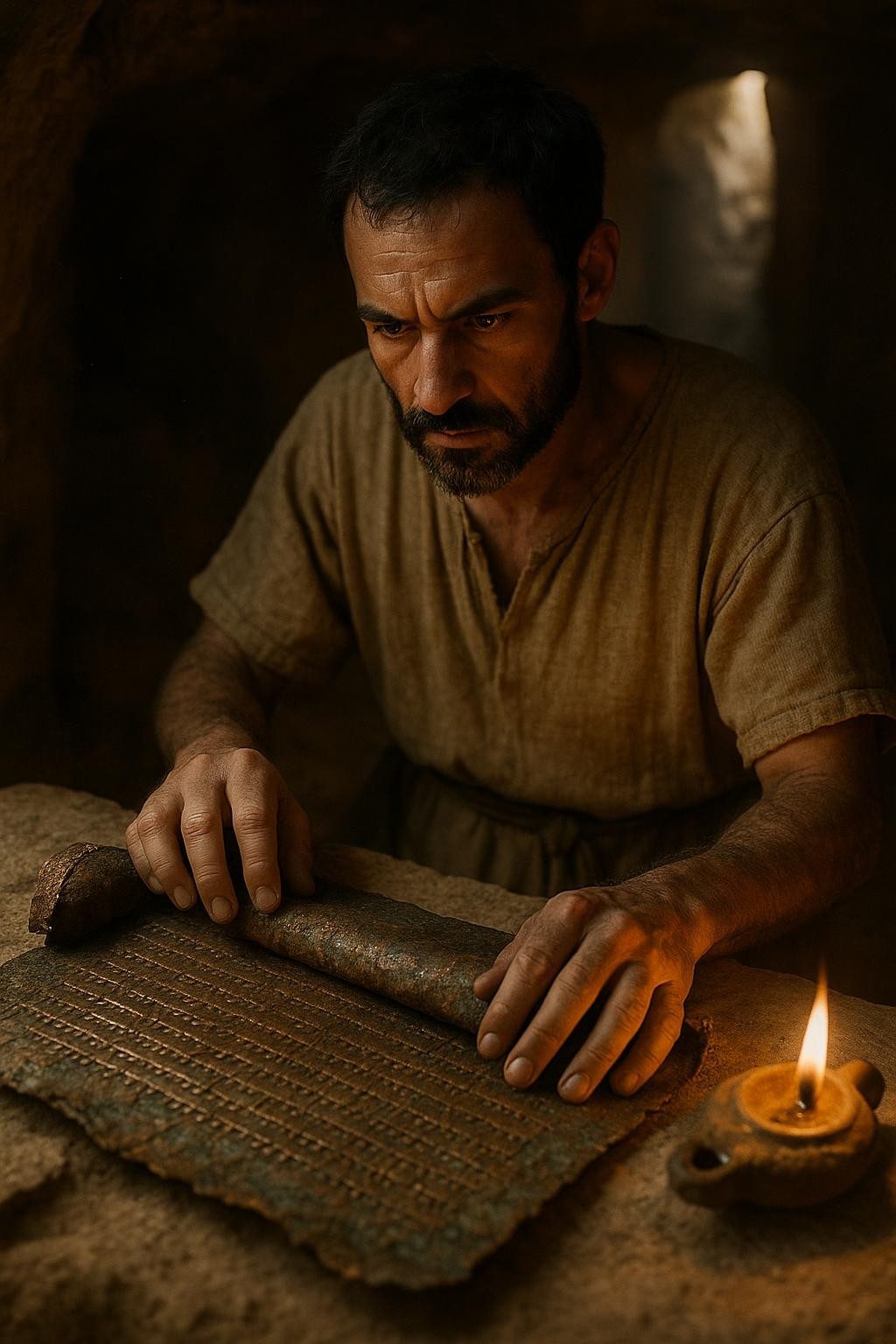
The musty air of the museum basement shivered as George Smith’s fingers danced over the ancient clay tablet. Dust flitted through dusty beams of gaslight as if echoing his mounting tension. Each cuneiform symbol whispered to him in fragile echoes of bygone millennia, and with each carefully deciphered line, the world around him faded, leaving only the trembling etchings of an epic flood story.
The Discovery That Shook Civilization
It happened on an ordinary day in London, 1872, beneath the casual indifference of a city unaware of the seismic shift occurring beneath its polished surface. George Smith, a mere engraver ascended to an amateur archaeologist, was immersed in the treasures of ancient Assyria. The British Museum's labyrinthine halls had vast collections from Mesopotamia, and Smith, with a passion that defied his modest station, meticulously pored over them.
Then, the unthinkable. As he read through a fragmented Assyrian tablet, Smith’s eyes widened. Words leapt out with unnerving familiarity — a great flood sent by angry deities, a boat, a family of survivors, animals two by two. But this was not Genesis. This was something else. The epiphany left him reeling, driven by a discovery that predated the biblical story by centuries. This text, part of the Gilgamesh epic, illuminated a shadowed corridor of history, underscoring the rich tapestry of human stories passed down long before the Bible was inked.
The Self-Taught Linguist and His Obsession
George Smith was no ordinary museum worker. His journey to the depths of ancient knowledge was not born from academia but from a relentless, autodidactic quest. A humble engraver by trade, Smith was fired by a fascination with the Assyrian language that bordered on compulsion. Through sheer will and countless hours bent over enigmatic symbols, he taught himself to navigate the dense corridors of cuneiform.
The sidewalks of London may have marked his geographical bounds, but his mind roved through the sun-baked ziggurats and bustling street markets of long-lost civilizations. It was a labor of solitary devotion that saw him persist among the cold clay and ancient relics, driven to uncover the stories they concealed. This duality of the scholarly detective and empathetic listener placed him perfectly to unearth what lay beneath the sediment of centuries.
The Clay Tablets: Voices from Antiquity
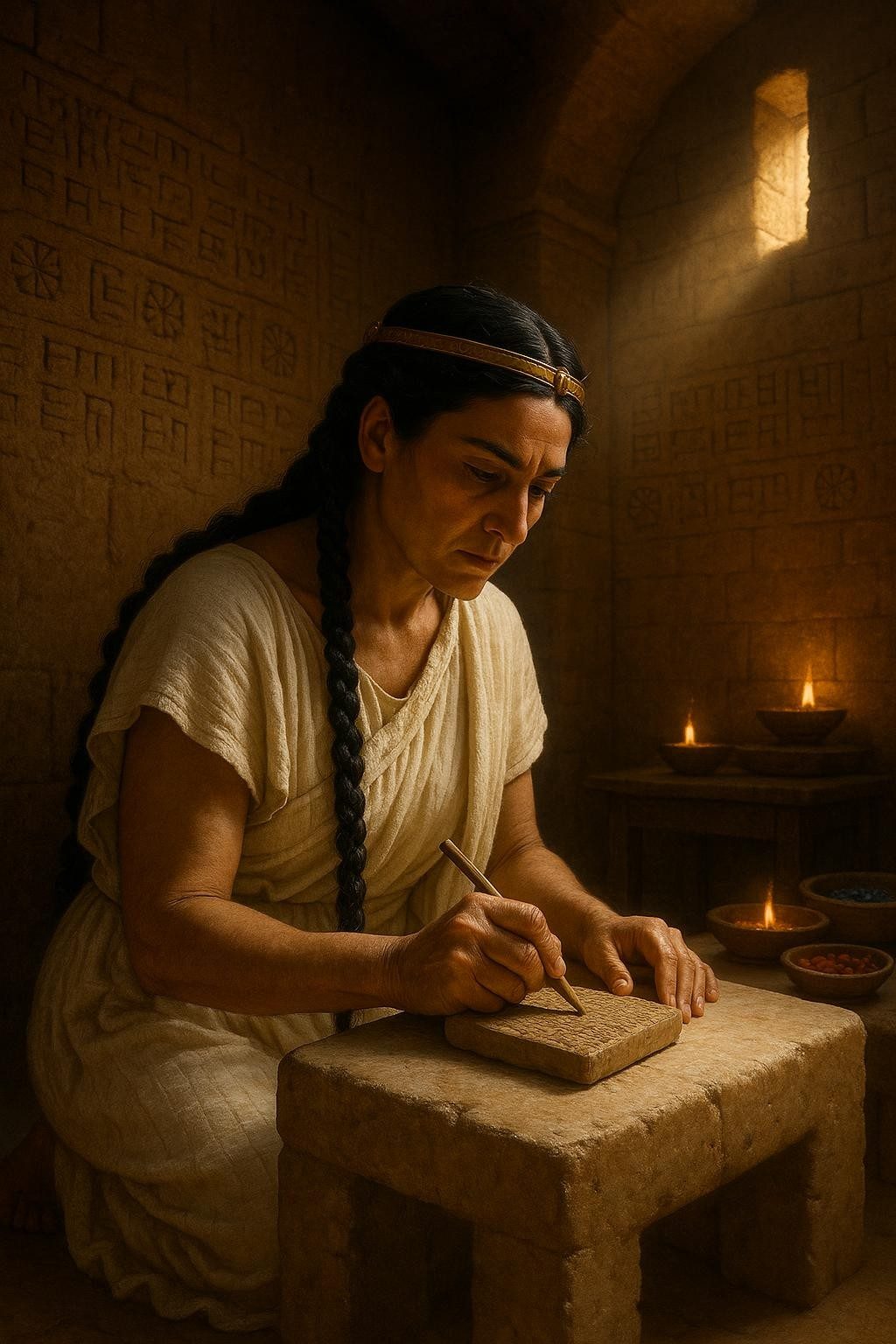
Imagine, if you will, the weight of such a tablet. Rough, cool clay pressed heavy in your palms, etched with jagged lines reaching through time. These were no mere artifacts; they were voices, echoes trapped in solid earth, demanding to be heard. The Epic of Gilgamesh, particularly, was a narrative that employed fate's double trick — anchoring us in both an irretrievable past and a powerfully resonant present.
Among these aged shards, Smith had stumbled upon Tablet XI, where the legendary flood account lay inscribed. Shaped by the blades of reeds in the marshes of Sumer, these characters rode on the breath of ancestors who wove parables from the chaos that once nearly drowned them. There was wisdom here, and yearning, a narrative embroidery speaking to humanity's perennial hopes and fears.
Victorian England: The Global Ripples
Smith’s revelation hit the scholarly world like a thunderbolt. The Victorian age, steeped in exploration and brimming with empire, saw itself as the custodian of both past and future. With this discovery, the curated narrative of history was jarred, revealing tales more complex and intertwined than many had hoped or feared.
Public lectures cascaded, the curious swelled. Rev. Arthur Stanley of Westminster Abbey invited Smith to present his findings in 1872, where even the sober corridors of academia hummed with excitement. People saw not just a flood or a tale but a connection unanticipated. They witnessed the capacity of humanity to perpetuate myth across countless generations, bridging the realms of sacred scripture and forgotten tablet.
A Reminder Woven Through the Ages
George Smith’s barefoot sprint through the museum halls mapped a pathway not just through space but through the fabric of time. His tale was neither the first nor the final word in the dialogue between past and present; rather, it was a reminder. A reminder of our shared humanity stretching beyond the written word, of myths bound in collective significance before chisels etched tales of survival upon clay.
In the reflection of those ancient stories, we see our own. The predating of one tale by another doesn’t lessen its power; instead, it weaves a deeper narrative tapestry reflecting similar themes that bind humankind through time. Across eras and throughout civilizations, the fear and wonder elicited by the prospect of a flood — chaos restrained by human resilience — continue to resonate, as vividly now as in the whispers of an Assyrian artifact discovered in the London basement of 1872.