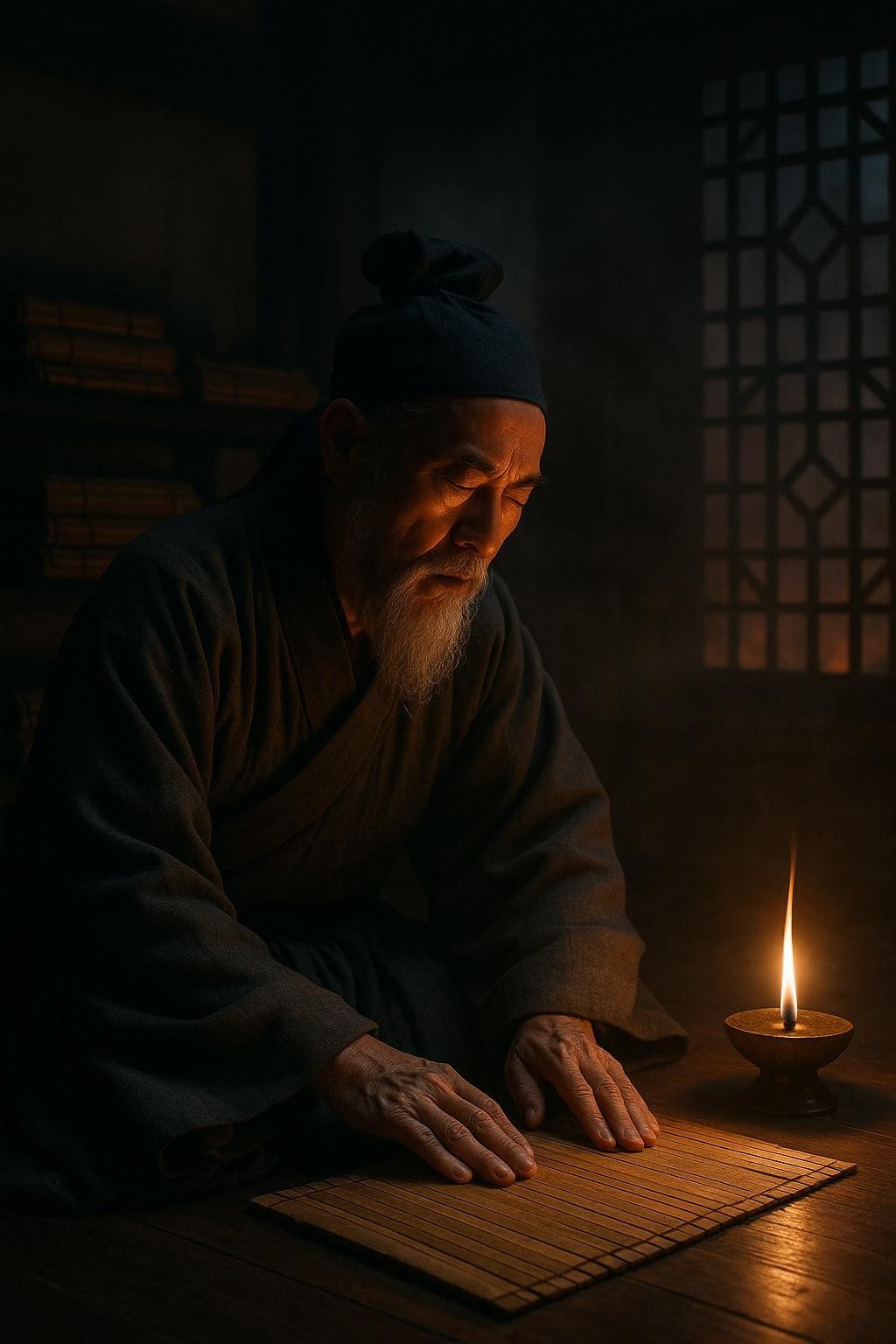
By dawn, the fire had consumed the library. Ashen scrolls fluttered like ghostly butterflies in the morning breeze, their wisdom reduced to embers at the edge of the emperor’s new world. Among the ruins, a lone scholar stood motionless, eyes glinting with the defiance of a man who bore an entire civilization inside his mind. As ashes settled around him, he knew every character, every line — stored safe within the vault of memory that no fire could breach.
The Emperor’s Decree
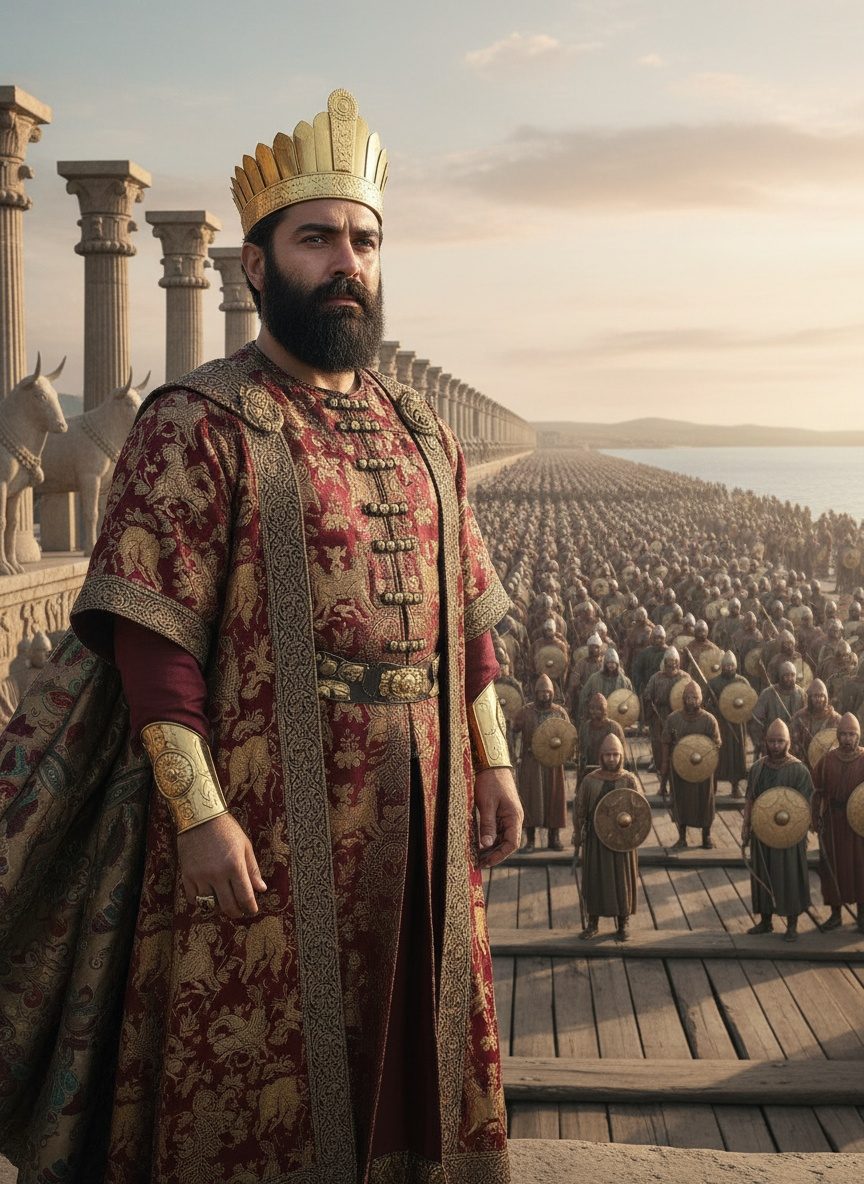
The Han Dynasty, a time of remarkable achievements and a centralized power unrivaled until much later in history, faced an unprecedented upheaval in 213 BCE when Emperor Qin Shi Huang exercised his profound authority in a sweeping act of censorship. The edict was simple but devastating: every book that did not align with the state’s new ideology was to be burned. This drastic measure aimed to unify his empire under a singular vision, eradicating any remnants of the past that might challenge his rule. What must it have been like to watch as history was systematically erased? Imagine the echoes of civilization’s wisdom plummeting into silence, moment by moment, page by page.
Scholar and peasant alike trembled as the flames devoured texts — histories, classic philosophies, poetry, and scientific works vanished without regard for their significance. Yet, not all knowledge perished that day; unbeknownst to the emperor, rebellious whispers of wisdom lingered in secret. Beneath the deafening silence enforced by imperial decree, there thrived an audacious intellectual resistance — men who transformed themselves into living vessels of forbidden knowledge. Among them, a single scholar emerged, his name lost in the shadows of time but his story echoing through the ages.
This enigmatic figure embarked on a perilous journey of memory, committing not only to memorize vast volumes of lost texts but to embody them in every action, every spoken word. Through sheer mental discipline and indomitable will, he recited the characters in the privacy of his thoughts, rehearsing them as if to fend off the unavoidable decay of memory. With every phrase echoed in solitude, his mastery of this embodied knowledge became an act of profound rebellion.
Guardians of China’s Cultural Legacy
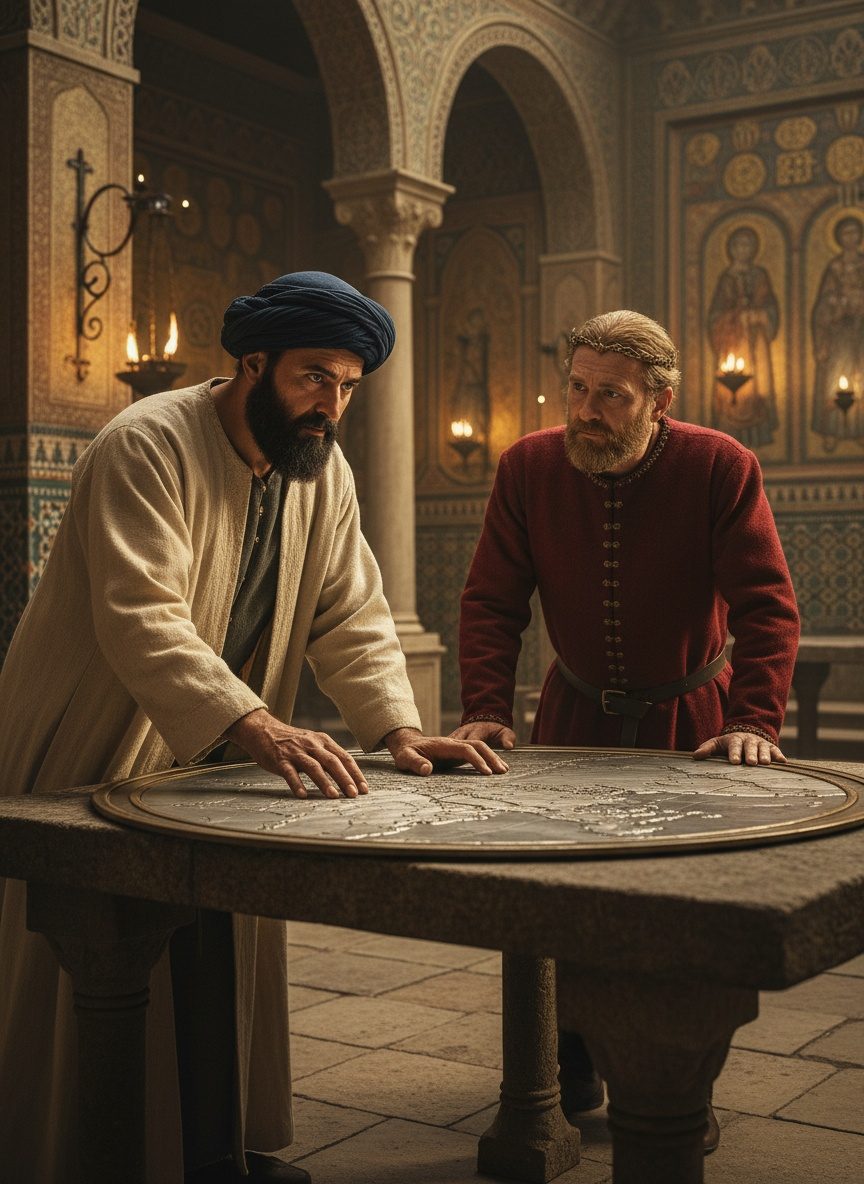
Among the cacophony of imperial dissatisfaction, several other scholars, similarly driven by their devotion to preserve the essence of China’s cultural heritage, secreted themselves away in rural hamlets and secluded mountains. Their hearts, however, beat as one with the clandestinely memorizing steward. They nurtured a silent network of intellectual insurgency, passing on their memorized wisdom from ear to ear, from mind to mind, preserving traditions and philosophies considered irretrievably lost.
In such a society where a misplaced word could spell death, the brave few silently chronicled the knowledge within themselves. Facing constant fear of betrayal and ruin, their lives became a vivid tapestry of intellectual warfare and resilience. By preserving these works in their minds, they guaranteed that posterity would someday unravel the tangled skein of their secretive endeavors, weaving back the rich complexity of ideologies censored into extinction.
The paradox of their quest lay in the balance between retention and revelation. Too much trust placed in a confidant could dissolve their delicate web of survival. Yet too much exclusion scorned the rich tradition of discourse vital to the transmission of understanding. Their task was not just one of preservation but of cautious propagation, a test of both mental acuity and cultural devotion. These carriers of forbidden wisdom lived knowing every interaction carried the potential to enlighten or destroy.
The Triumph of Memory
Years passed, and the Han Dynasty eventually found itself in a transformed China — a civilization that underwent resurgence long after the smoke of burnt paper had ceased to stain the skies. Out of the shadow of imperial absolutism emerged a future brightened not by imperial edicts but by the immortal resilience of human memory. The task of the next generations, those heirs to the scholar's unyielding intellect, became the work of rediscovery — piecing together fragments of knowledge whispered across decades. Stories of the living libraries who had dared memorize what was condemned grew legendary, illuminating their extraordinary savagery of spirit.
The events born from this act of defiance reveal a stunning truth overshadowed by time: that human memory, a fallible tool, may also prove to be an indomitable force. It stands alone, transcending tyrannies, an engine of resilience turning internal reflection into eternal legacy. Thus, what mattered was not just the preservation of the texts themselves, but the preservation of the intellectual spirit they encompassed. Long after the directives of despots, principles of philosophy and history once saved from annihilation continued to inform future civilizations.
Engraved not on paper, but etched within the annals of soul, these preserved texts and the people who fought for their survival remind us how unyielding the alliance between human consciousness and cultural continuity can be. Through their sacrifice, they cedled centuries of enlightenment beyond any emperor's grasp, handing down an unseen and untouchable treasure to posterity. What was saved through these custodians of knowledge became more than survival; it became an enduring testament to the immutability of the human spirit.