Most people have never heard of the Battle of Blair Mountain. But it was the largest labor uprising in American history.
A Powder Keg in the Hills
The rolling hills of West Virginia have long been both a place of beauty and strife. In the early 20th century, they hid beneath their trees and mist a cauldron simmering with discontent. At the heart of the unrest were the coal miners, who toiled under the weight of one of the most unjust labor systems in the country. Coal was not just a job — it was a lifeline controlled by a few coal companies exerting near-feudal power over their workers. These miners were subject to the dreaded company towns, where wages came in the form of scrip, redeemable only at company stores with inflated prices. This economic stranglehold left families perpetually in debt, trapped in an endless cycle of hard labor and exploitation.
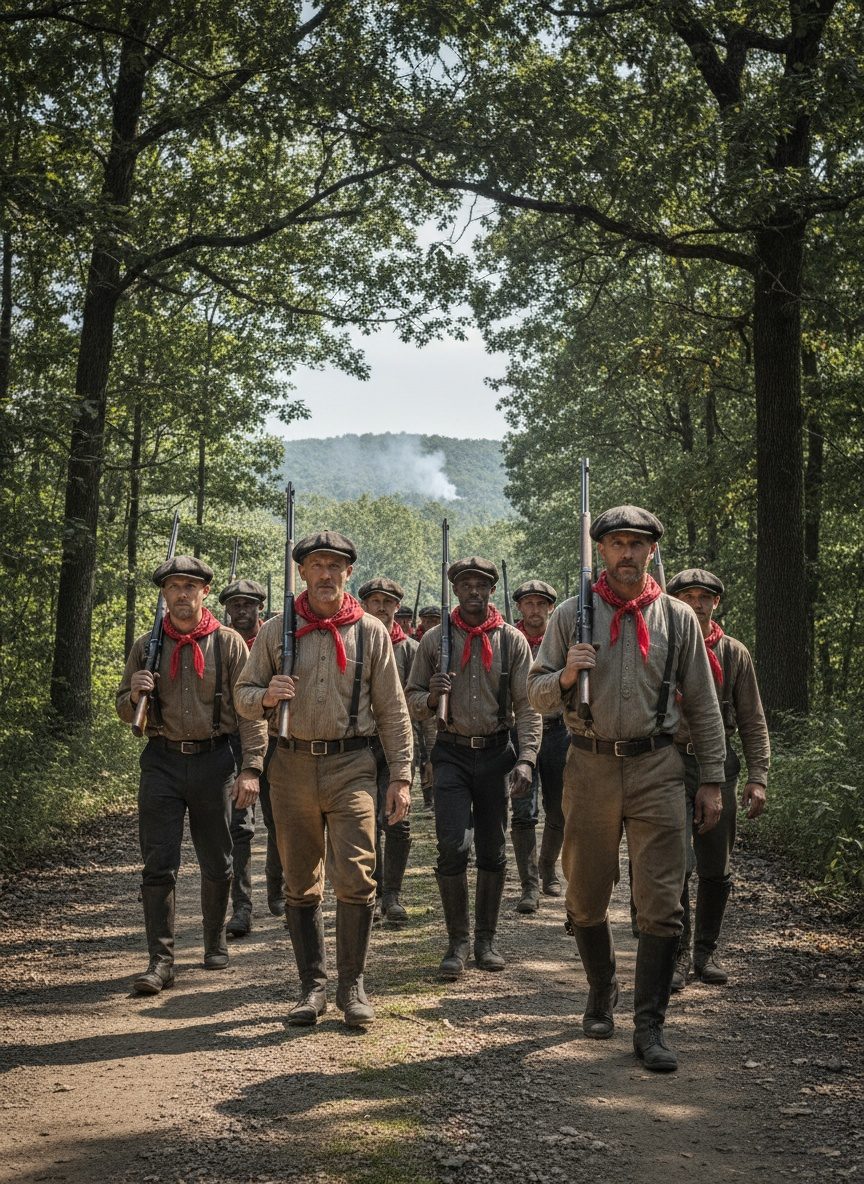
The situation with the miners was exacerbated by a toxic mix of racial and ethnic diversity, cleverly manipulated by the companies to keep divisions among the workers. Yet, in the face of shared suffering, solidarity began to emerge. Black, white, and immigrant miners began to see past surface divisions. The bright red bandanas they wore symbolized this unity, marking the men who were willing to risk everything for a shot at fairness.
The Match That Lit the Fuse
By August 1921, tensions were at a boiling point. Years of failed attempts to organize and horrific accounts of violence against union activists had created a powder keg waiting for a spark. Then came the massacre at nearby Matewan, followed by the cold-blooded death of a union-supporting lawman. The miners, shaken but resolute, knew they had to act. Inspired and outraged, they assembled by the thousands. Most carried rifles — a testament to their determination and the realization that negotiations were no longer an option.
The march to Blair Mountain commenced with a mix of hope and fear. These men knew what they were up against: heavily armed coal company guards and the might of the state. Over fifty miles, this hodgepodge army trekked, their numbers swelling with each township they passed, uniting under a single cry for justice. The march itself became a rallying cry, building a narrative not just of protest but of genuine insurrection. Lives often defined by coal dust and poverty were suddenly charged with purpose.
The Battlefield in the Clouds
Blair Mountain was no ordinary battleground. It rose steeply, a natural fortress blending the sweat of men with the scent of oaks and pines. The mine guards and local law enforcement, backed by the coal companies, awaited the march with heavy weaponry and intimidation tactics. Their defensive position high on the ridge was strategically chosen, anticipating the miners' arrival with every advantage in their favor.
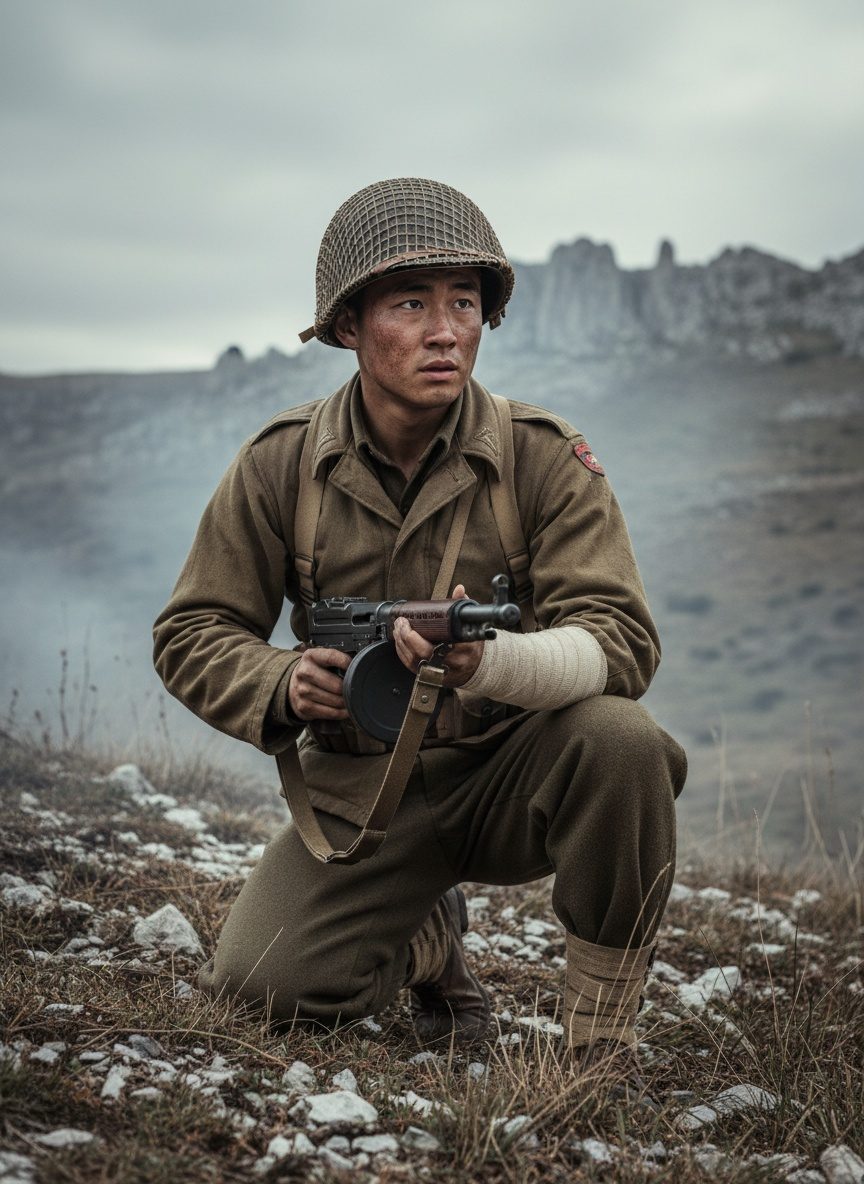
For five harrowing days, the mountain became a war zone. A conflict often dismissed as a minor skirmish echoed into something much larger. The sound of gunfire clattered like distant thunder, as ill-organized miners fought seasoned guards. Overhead, in a move that still defies belief, the U.S. government flew aircraft, marking one of the few times in history bombers have been used against civilian strikers on home soil.
Yet even as the air filled with the acrid smell of gunpowder and smoke, stories emerged of camaraderie and bravery. Pockets of miners established strategic positions, countering gunfire not just with bullets but with grit and a dogged belief that their march was justice personified.
The Aftermath That Echoes
When the dust settled, the miners' army of red bandanas had dispersed, retreating not with surrender, but with resolve. The battle might have been over, but the fight for workers' rights had found a new foothold. News of the Battle of Blair Mountain rippled across America, reigniting the labor movement and shining a light on the need for reform.
The consequences were complex and myriad. In the days that followed, the terrain of Blair Mountain might have returned to its rural tranquility, but the battle fought there transformed labor discourse throughout the nation. Those who had been there carried with them a sense of pride and a reaffirmation of strength derived from unity.
As we stand on the precipice of our own modern challenges, reflecting on the miners who marched on Blair Mountain reminds us of the power and significance of solidarity. It prompts questions about human rights, justice, and the lengths to which individuals will go to achieve them. The march becomes more than a historical footnote. It is a testament to the indomitable spirit of those who dare to stand, shoulder to shoulder, against the oppressive winds of power. It is a legacy not just of the miners who were there, but of anyone who believes that justice is worth the struggle. The echoes of their fight remind us that history, like the hills of Appalachia, is not so easily hidden.