He volunteered for Auschwitz. Witold Pilecki had every reason to avoid it — but he chose to go in. This was 1940, when the horrors of the camp were only starting to unfold, but the whispers were enough to indicate what a perilous step this was. Pilecki, a Polish resistance officer, engineered his own capture as the chaos of war thundered over Europe. Warsaw, battered and near collapse, was a city haunted by hunger, fear, and uncertainty. The German forces had implemented a brutal regime of terror, rounding people up from the cobbled streets at will. Amongst this, Pilecki stepped into a police dragnet, wielding a false identity like a weapon, and was swept away to Auschwitz.
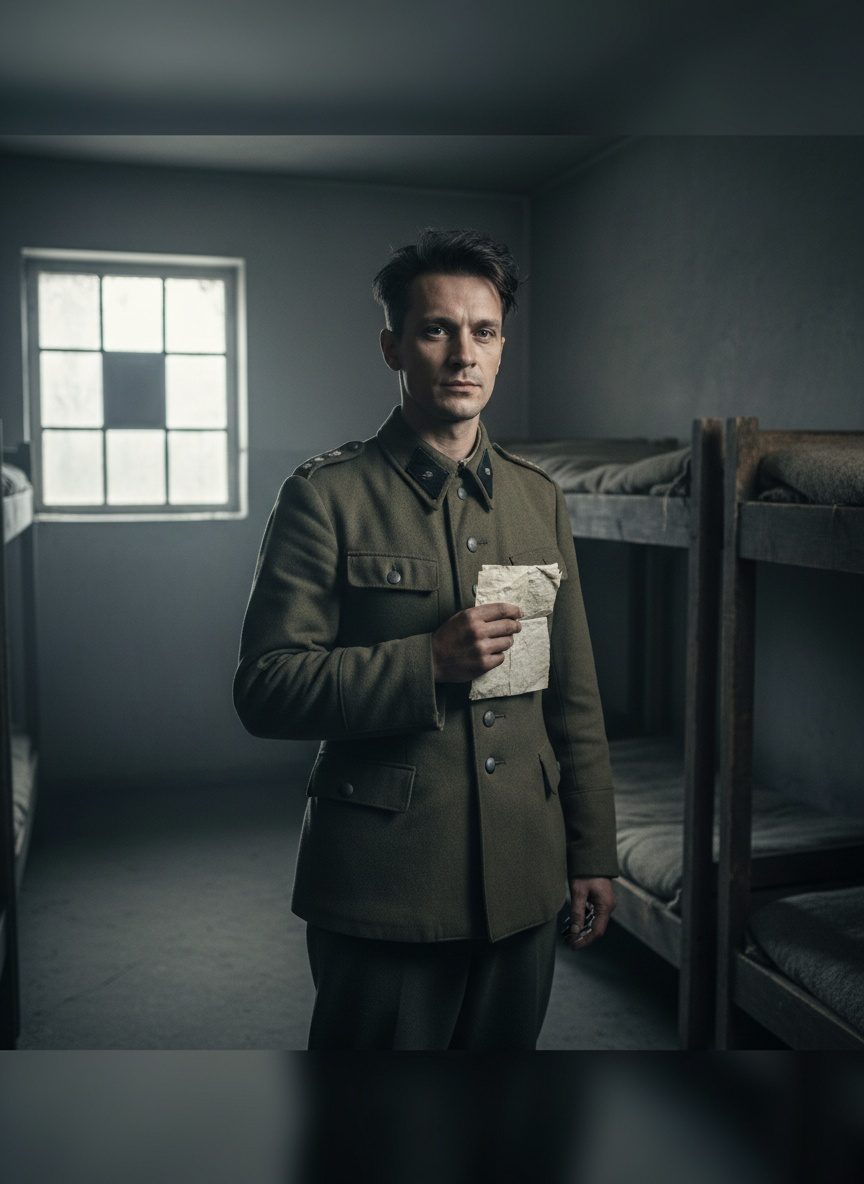
Auschwitz was not merely a death camp; in its early days, it was also a prison complex designed to crush the spirit of the Polish nation by eradicating its brightest minds. From inside, Pilecki orchestrated an unparalleled operation. He became inmate number 4859 — an existence reduced to a string of numbers, a world stripped of its color and vitality. Yet, within the stark brutality of Auschwitz, Pilecki set about his improbable mission.
His task was monumental: foster a network of resistance within the camp's barbed confines, gather intelligence, and alert the outside world. This network, covertly built within the blocks and labor details, connected prisoners in something akin to brotherhood. An audacious plan emerged from the shadows and whispers at night — to seize the camp and liberate it. Word of these endeavors trickled out in any way they could manage: messages smuggled out with miraculous ingenuity, concealed within mealy bread crusts and metal tubes tossed from moving trains.
Over two and a half harrowing years, Pilecki documented the unfathomable depth of suffering within the camp. His reports detailed the methodical extermination looming over Europe and the systematic dehumanization meted out by the Nazi regime. These reports, fraught with danger, eventually made their way to London. Yet, despite the gravity of their contents, the Allies hesitated. Many factors contribute to this inaction — disbelief, strategic priorities, and a grim calculus of war. The world outside remained largely unaware or unwilling to confront the full horrors detailed by Pilecki’s clandestine dispatches.
Finally, in 1943, with his network discovered and the threat of execution imminent, Pilecki escaped Auschwitz, a feat that in itself seemed as incredible as his voluntary arrival. He reached Warsaw, his home now a scarred city under Nazi occupation. Here, Pilecki continued his fight, joining the Warsaw Uprising of 1944, another desperate chapter in Poland’s quest for freedom. The Uprising, an event both heroic and tragic, was crushed after 63 days of brutal fighting, and Pilecki once again fell into German hands. He survived the remainder of the war as a prisoner until the Nazis were finally defeated.
In a world struggling to reshape itself after the ruin of conflict, Pilecki returned to a Poland transformed by geopolitics. The communist regime, installed under Soviet influence, labeled Pilecki and many of his peers as enemies of the state. His courageous acts, steeped in loyalty to a Poland that was no more, were now considered threats under the new order.
In 1948, under a government he had once hoped to save, Witold Pilecki faced trial. It was a spectacle of injustice, where honesty was condemned and heroism redefined. He was accused of being a Western spy, tortured, and finally executed for his unwavering commitment to a truth that lay inconveniently at odds with political expediency. His name was consigned not to the halls of honor, but to the whispered recollections of those who remembered, long after the gunshots that ended his life.
For decades, Pilecki’s story lay buried, surfacing only after the fall of communism. Eventually, in 1990, the Polish government posthumously cleared his name, recognizing his unmatched bravery. His legacy endures as a symbol of resilience and moral courage. The world, quieter now than during his time, still echoes with unanswered questions and histories shaped by silence. Pilecki’s choices remind us that amidst desolation, courage can become the greatest weapon, and even in the darkest times, the light of truth refuses to be extinguished.