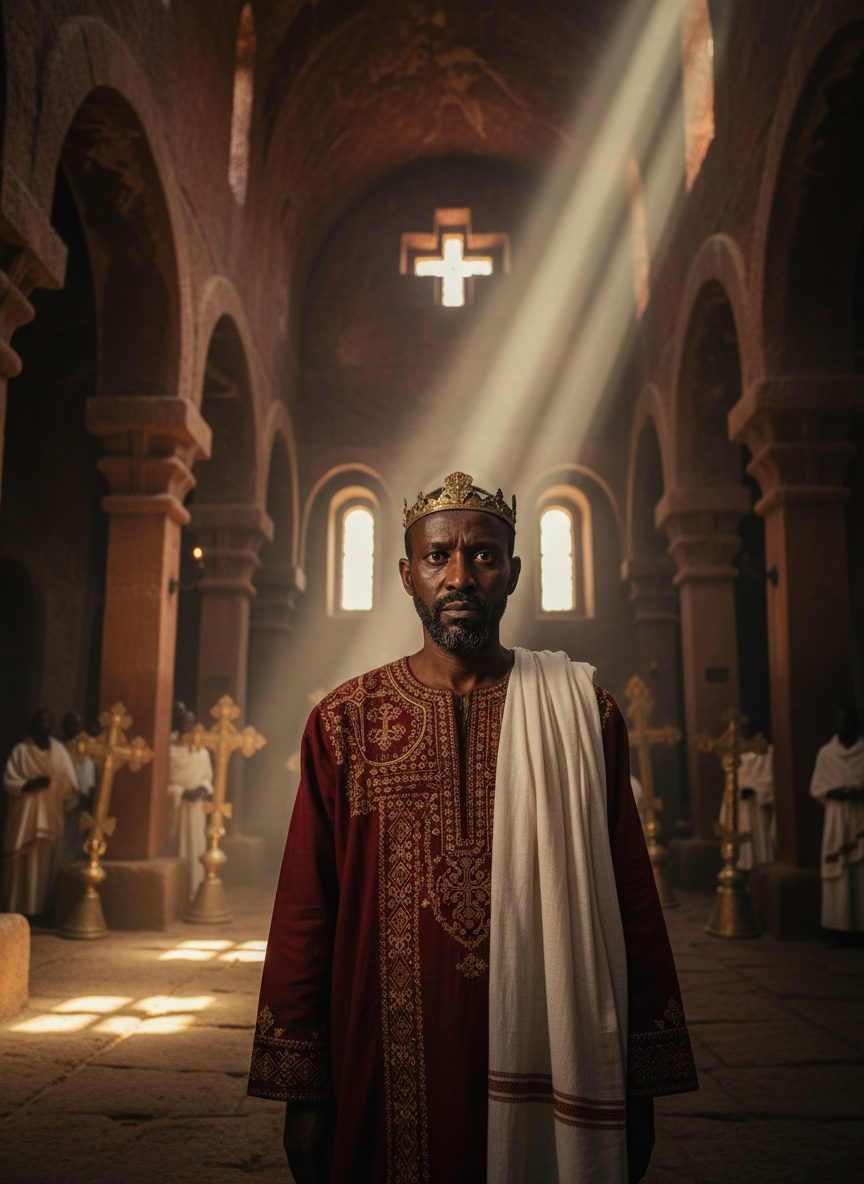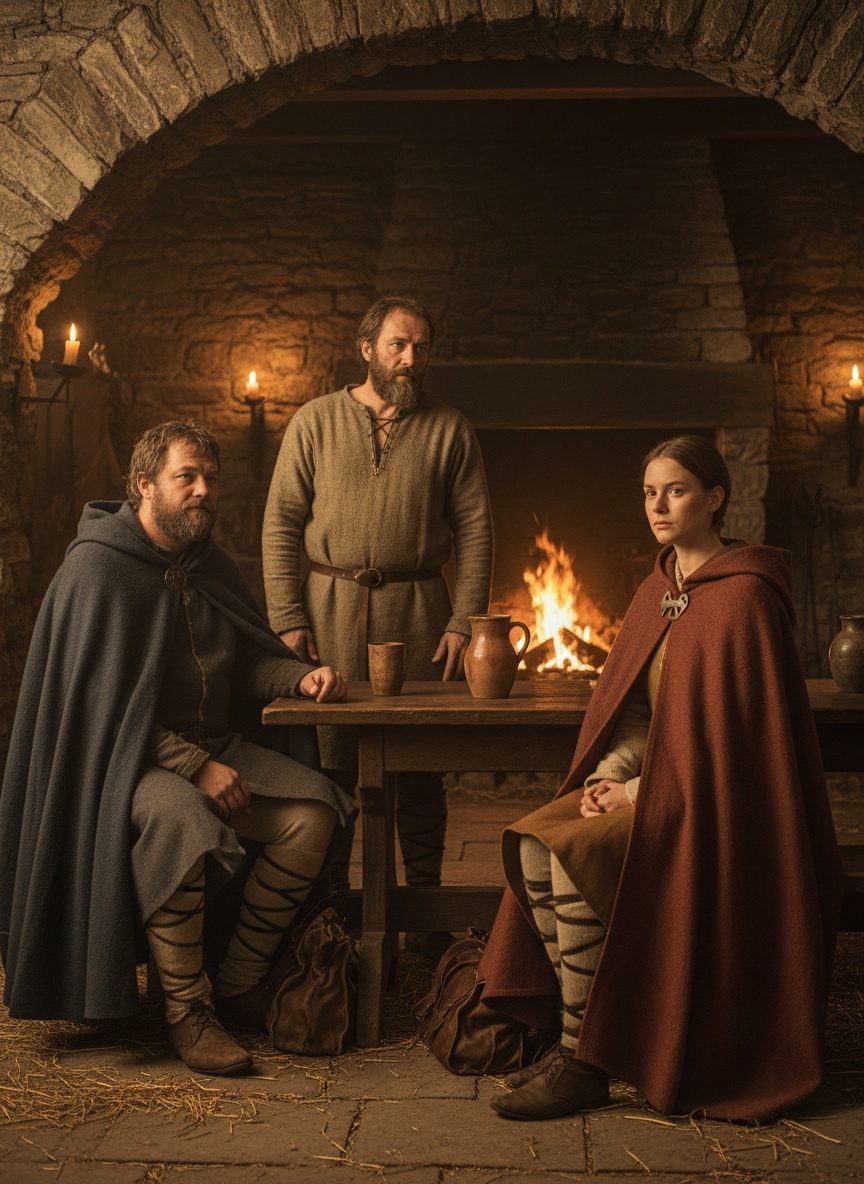
July 17, 1212. The mist hung low over the Swiss Alps.
The Historic Crossing
Perched at the gateway to the Valais in Switzerland, the Bridge of Sion was more than just a passage over a river—it was a vital artery connecting major routes through the Alps. In the year 1212, an inn was established here, a simple refuge for weary travelers making the challenging trek across the mountains. At that time, Europe was under the expansive influence of the Holy Roman Empire, and the fervor of the Crusades coursed through the continent, inspiring scores of devout warriors to seek passage to the Holy Land.
These early years of the inn saw a myriad of faces: Crusaders bound for distant battles, their travel-worn bodies seeking rest before continuing their journey into the uncertainty of war. The inn became a silent observer of history as it unfolded, providing shelter and sustenance to those who passed beneath its roof.
A Sanctuary Through Turmoil
As the centuries unfolded, the strategic importance of the inn's location never waned. With wars and conflicts reshaping Europe, it served as a sanctuary for many. During the Hundred Years' War, merchants laden with precious goods found respite from the perils of travel, seeking refuge in the warm embrace of its hearth. Renowned for its hearty food and safe lodgings, the inn was more than merely a stopover; it was a small bastion of stability amidst Europe's fluctuating fortunes.
Even as plagues ravaged swathes of the population, the inn kept its doors open. It transformed from a wayfarers' retreat into a vital rest stop for pilgrims and pioneers carving out new lives in a burgeoning Europe. Its continued operations during times of strife speak volumes about its resilience and the unyielding spirit of those who ran it. Unlike many other establishments that succumbed to the tides of history, the inn remained an enduring fixture, adapting to the changing needs of its guests.
The Tapestry of Time
The inn also bore witness to the subtler ebbs and flows of history. Merchants, scholars, and soldiers all shared the common ground of its modest tables. Historians suggest that stories and knowledge exchanged over meals in such establishments often traveled faster and farther than many a horse or ship could carry. With every passing decade, the walls of the inn absorbed these tales, becoming a rich tapestry of personal narratives—a microcosm of a Europe in transformation.
Among its more intriguing chapters are the accounts of clandestine meetings and secret exchanges. Whispers of treaties and deals struck under its roof during the tumultuous 17th and 18th centuries paint a picture of the inn as a quiet facilitator of history. While not all these stories were recorded, the weight of untold events adds an air of mystery to its legacy.
Modern Times, Ancient Pathways
Today, the inn remains much as it once was: a haven for modern travelers who find themselves amidst the breathtaking alpine vistas of Sion. Few landmarks in Europe can boast such a storied continuity of purpose, serving guests for over 800 years. For those who visit, it's a tangible link to a past that feels both distant and remarkably present. Travelers can trace their fingers across the weathered wood of its walls, feeling the grooves worn by generations of hands, and experience an unbroken line stretching back to those first pilgrims and crusaders.
The inn stands as an extraordinary confluence of time where medieval Europe collides with the digital age. Visitors often find themselves captivated, poring over historical anecdotes over a glass of locally sourced wine. It's a reminder that while landscapes and nations may change, certain human experiences—seeking comfort and connection in far-flung places—remain eternal.
A Story Yet to Unfold
As the world moves faster and technology redefines how we connect and travel, the inn's quiet persistence provides a timeless narrative counterpoint. The enduring operation of the inn at the Bridge of Sion enriches our understanding of history; it offers a living lesson about survival, adaptation, and the power of place in human stories.
By continuing to serve as both a refuge and a witness, this remarkable inn prompts us to reflect on our narratives and what we hope lasts the test of time. Through its persistence, it gently urges us to consider our own legacies and cherish the sites where silence speaks louder than words and where history is felt rather than read.