The dim light of the British Museum's reading room cast long shadows across the creaking floorboards as George Smith leaned closer to the ancient clay tablet in his hands. The musty scent of history clung to the air as he carefully traced the cuneiform script with his finger, his heart racing in tune with the revelation unfolding before his eyes. This wasn't just any slab of hardened clay; it was a gateway to a forgotten world—an epic tale of survival, deluge, and a city lost beneath the sands of time.
Born into humble beginnings, George Smith was no scholar by traditional standards. Yet his insatiable curiosity and self-taught expertise in Assyriology had led him to a remarkable discovery that would soon challenge the skepticism of the academic elite. In 1872, while poring over an Assyrian tablet newly acquired by the museum, he stumbled upon a story strangely reminiscent of the biblical tale of Noah's Ark. Contained within the Akkadian script was a description of a catastrophic flood, eerily similar yet markedly older than the one documented in Genesis. Most astounding, however, was the mention of the sprawling city of Nineveh, a legendary metropolis so grand that many believed it existed solely in the annals of mythology.
For centuries, Nineveh had been whispered about in hushed tones, its vastness seemingly preposterous by the standards of history's record keepers. Considered the stuff of lore, it was spoken of as a phantom city where the kings of old wielded power unrivaled in their time. Many biblical scholars dismissed such accounts as exaggerated historical fiction until Smith's discovery pried open the skeptics' bolted minds. His findings, though initially doubted, kindled the imaginations of those who longed to see if the earth kept Nineveh's secrets under layers of forgotten soil.
The excavation efforts that ensued were a testament to Victorian determination and the tantalizing lure of proving the impossible. As spades and shovels peeled back the endless expanse of sand, the relics of a lost civilization began to surface. Column by column, wall by wall, the buried grandeur of Nineveh slowly emerged from its sandy grave. With each unearthed artifact, the skeptics' voices grew quieter, drowned out by the irrefutable evidence of a city so advanced and expansive that its echoes had survived millennia.
George Smith's relentless pursuit of knowledge had resurrected an entire city, drawing back the curtain on a chapter of human history that had nearly vanished without a trace. As a self-taught engraver, his path to becoming a linchpin in the rediscovery of the ancient world was anything but conventional. Yet it was his unconventional approach, his unyielding passion, that allowed him to see what others could not—an epic narrative of global proportions, inscribed on small tablets of clay.
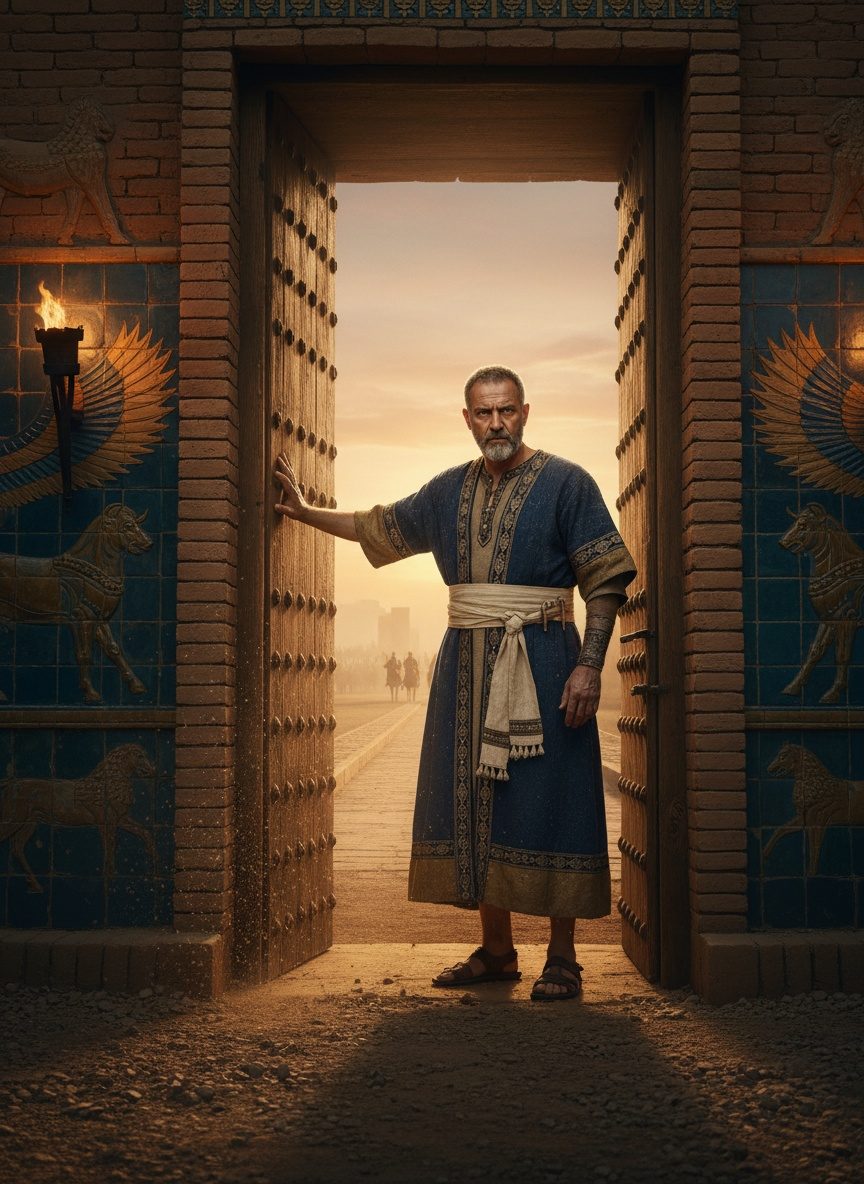
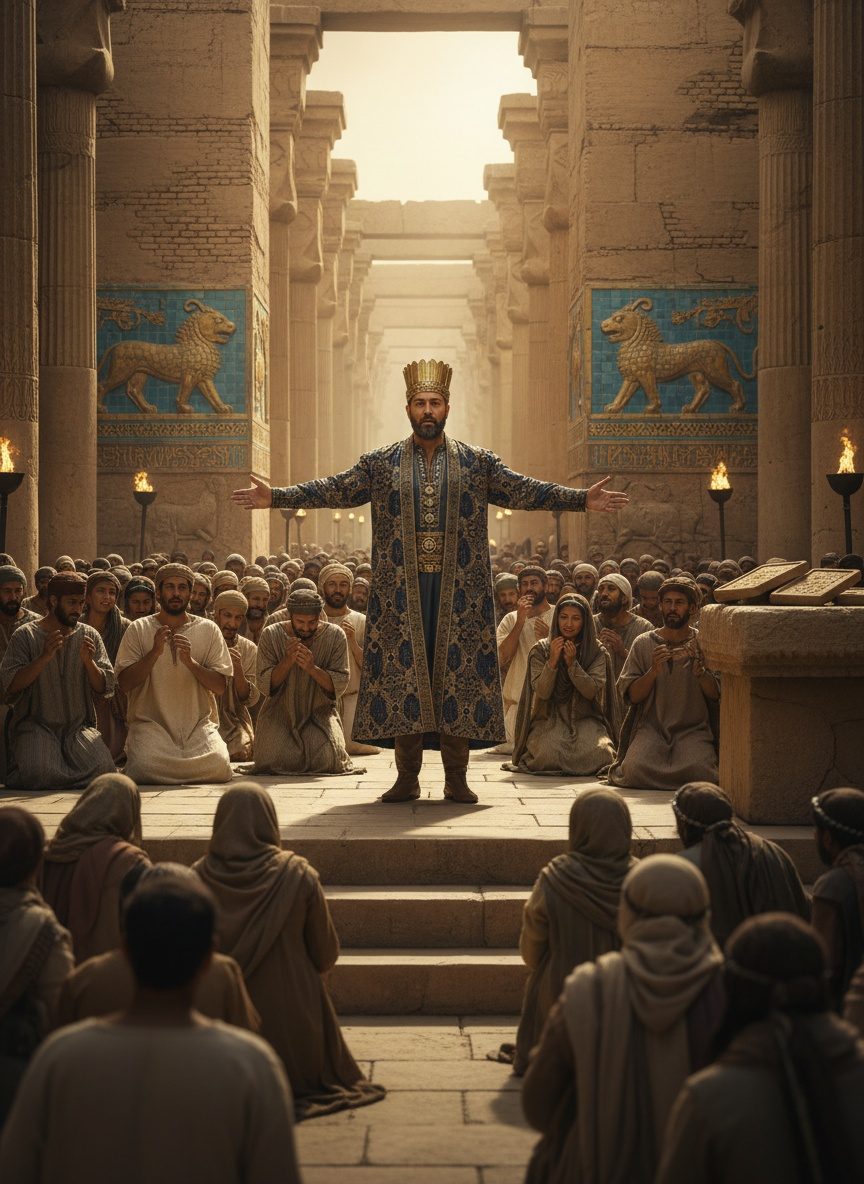
The city's storied past began to unfurl. Once the heart of the Neo-Assyrian Empire, Nineveh had been a citadel of art, learning, and commerce. Its colossal walls and opulent palaces boasted frescoes and sculptures that spoke of a civilization at the pinnacle of human achievement. Lavish gardens and intricate libraries underscored a society both sophisticated and indomitable, their whispers carried on the winds of a forgotten past.
Smith's discovery did more than solidify Nineveh's existence; it also reignited a dialogue regarding the shared origins of cultural myths and the global human story. The tale of the flood, told in varying forms across civilizations, emerged as a thread weaving together disparate cultures through a shared experience or collective memory—a record of natural calamity preserved in the sacred texts of different peoples.
As Smith deciphered more of the tablets, he found references to kings and explorers, to deities both benevolent and wrathful, cross-referenced with accounts previously considered apocryphal. It was as if the ground itself had conspired to tell the full story of Nineveh, to immortalize its glory for those who cared to listen. The flood narrative was no longer a dusty parable tucked in the margins of religious discourse; it was a living chronicle that spoke to the timeless human propensity for storytelling, a reminder that legends only remain so until they are unearthed.
The revived City of Nineveh offered more than just a bounty for archaeologists; it provided a crucial insight into human nature and our perennial quest to unearth our origins. It illuminated the bridges between the seen and the unseen, the remembered and the forgotten, embodying the ephemerality of human endeavor and the endurance of memory cast into clay.
George Smith's seemingly improbable journey from untrained engraver to master translator of ancient texts captures the spirit of 19th-century enlightenment, characterized by dogged pursuit and a willingness to traverse uncharted intellectual territories. His work underscores the principle that sometimes it is the insurgent thinker, the audacious outsider, who has the foresight to see how the past speaks to the present.
As we ponder the story of Nineveh, we glimpse into the lessons of resilience and the impermanence of empires, learning how legacy is etched not in stone but in the actions we take to preserve it. Such stories compel us to consider what lies beneath our modern world—metaphorically and literally. In our digital age, where information is as fluid as it is ephemeral, understanding the endeavors of those before us might spare the disappearance of our cultural heirlooms into the sands of time, ensuring that what was once thought myth might, yet again, be found real.