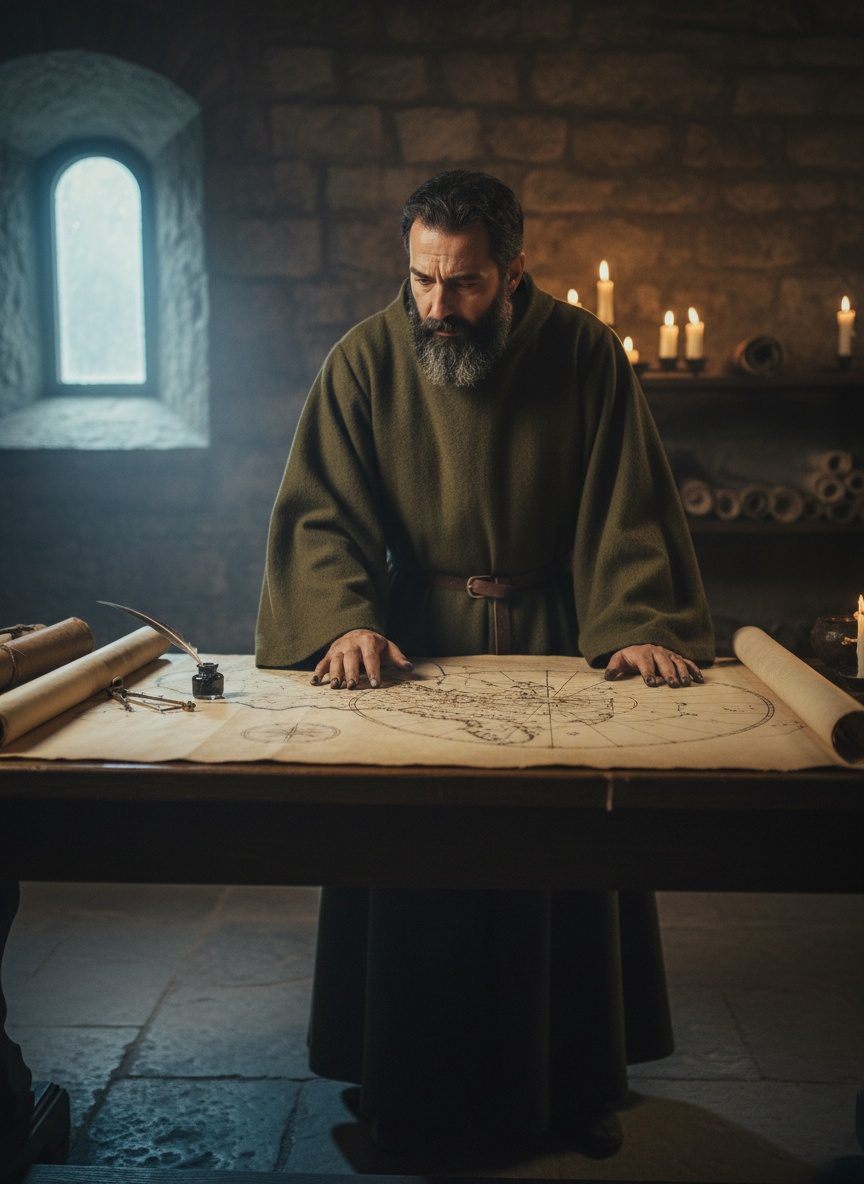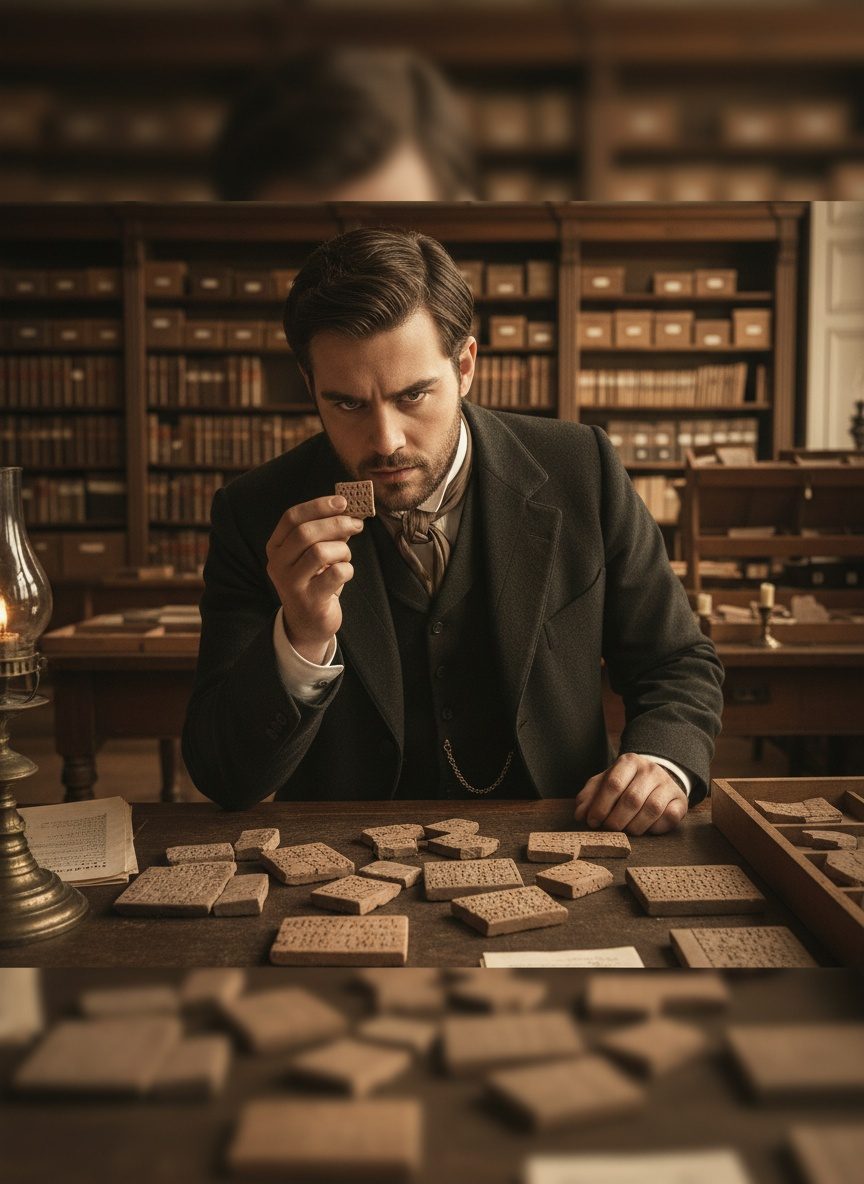
In the dim light of a drizzly London afternoon in 1872, the British Museum offered a quiet refuge. Raindrops tapped persistently on the grand windows, barely audible above the hush of scholarly whisper and the soft rustle of paper. There, amidst towering shelves and forgotten stories, sat George Smith, a modest man enveloped in the grandeur of ancient secrets. With keen eyes and careful hands, he sifted through the remnants of a world long past, a countless array of cracked clay tablets strewn before him like shards of a lost civilization. In this solemn setting, humanity's oldest tales waited to be unearthed.
The Buried Treasure of Nineveh
In 612 BCE, the ancient city of Nineveh fell to its fiery ruin. The Assyrian heartland crumbled under the relentless siege of enemies and flames consumed the city's proud buildings. Yet, beneath this destruction lay a treasure map of sorts—a repository of knowledge painstakingly recorded on clay tablets. What once was Assyria's bastion of wisdom and culture became a tomb for its secrets as the ruins were buried and preserved under layers of earth for millennia.
Centuries later, in the mid-19th century, a determined group of archaeologists ventured into the heart of this forgotten empire. Their goal was not conquest, but discovery. As they dug through layers of ancient dirt and ash, they unearthed relics of the Assyrian Empire's last breaths—the Library of Ashurbanipal, a repository of myth, law, and history. Yet, these tablets spoke a language no living scholar understood, a locked trove until the right key was found.
The Puzzle of Cuneiform
The language recorded by ancient scribes was cuneiform, a script composed of wedge-shaped impressions in clay. It wasn't a single language but rather a script used to record several languages, including Sumerian and Akkadian. Complicating matters further, the clay tablets were fragmented, their texts broken and shuffled by time itself. Each piece was a tantalizing hint of its former self, awaiting one with the persistence and skill to see their narrative.
Enter George Smith, a young engraver with a passion for the past. Self-taught and fervently dedicated, Smith took it upon himself to unravel the mysteries encoded in the tablets. He pored over them with an intensity that belied his humble origins and lack of formal education. Every notch and groove was scrutinized, each line a potential bridge to a forgotten world.
The Revelation: A Flood Story
On a fateful day in 1872, George Smith made a discovery that would ripple through the corridors of history. As he translated the rows of Akkadian script, he pieced together a story as old as civilization itself—a great deluge, divinely commanded, and a lone hero tasked with survival on a vast boat. It was a flood narrative eerily akin to the Biblical tale of Noah but predating it by centuries. The clay tablet detailed the exploits of Utnapishtim, a character from the Epic of Gilgamesh, who was instructed by the gods to build a vessel and save life from impending doom.
This discovery was more than an academic triumph; it was a revelation that captivated the world. Here was proof that stories of a great flood had permeated cultures long before the Old Testament had been written. The ancient world had spoken again, its voice resonating through the ages thanks to one man's relentless pursuit of understanding.
A Legacy Forged in Clay
George Smith's breakthrough was met with astonishment. Victorian society, deeply entrenched in biblical tales, now had to reconcile this parallel narrative from an ancient civilization. Headlines trumpeted the news, and soon, Smith found himself far from the quiet of the British Museum, lecturing to packed houses eager to hear of his find firsthand. His work had cast a light on the interconnectedness of human history, challenging assumptions about the singularity of religious texts and myths.
Smith's contributions did not end with the flood tablet. His work laid the foundation for future scholars, igniting a passion for the languages and literatures of Mesopotamia. The study of cuneiform became a respected discipline, connecting us to the very dawn of recorded history. Sadly, George Smith's life was cut short, his death at the age of 36 leaving the scholarly world bereft of one of its keenest minds.
Yet, his legacy lives on. Today, the clay tablets of Nineveh hold lessons that are as vital as they are ancient. They remind us that stories of human experience—of cataclysm and survival, faith and resilience—transcend time and terrain. By digging into history, George Smith unearthed not only the knowledge of an empire but also a shared humanity, echoing through the ages from tablet to text, heart to heart. In illuminating the past, we find reflections of ourselves, ensuring that these stories, and others like them, are never truly lost to time.