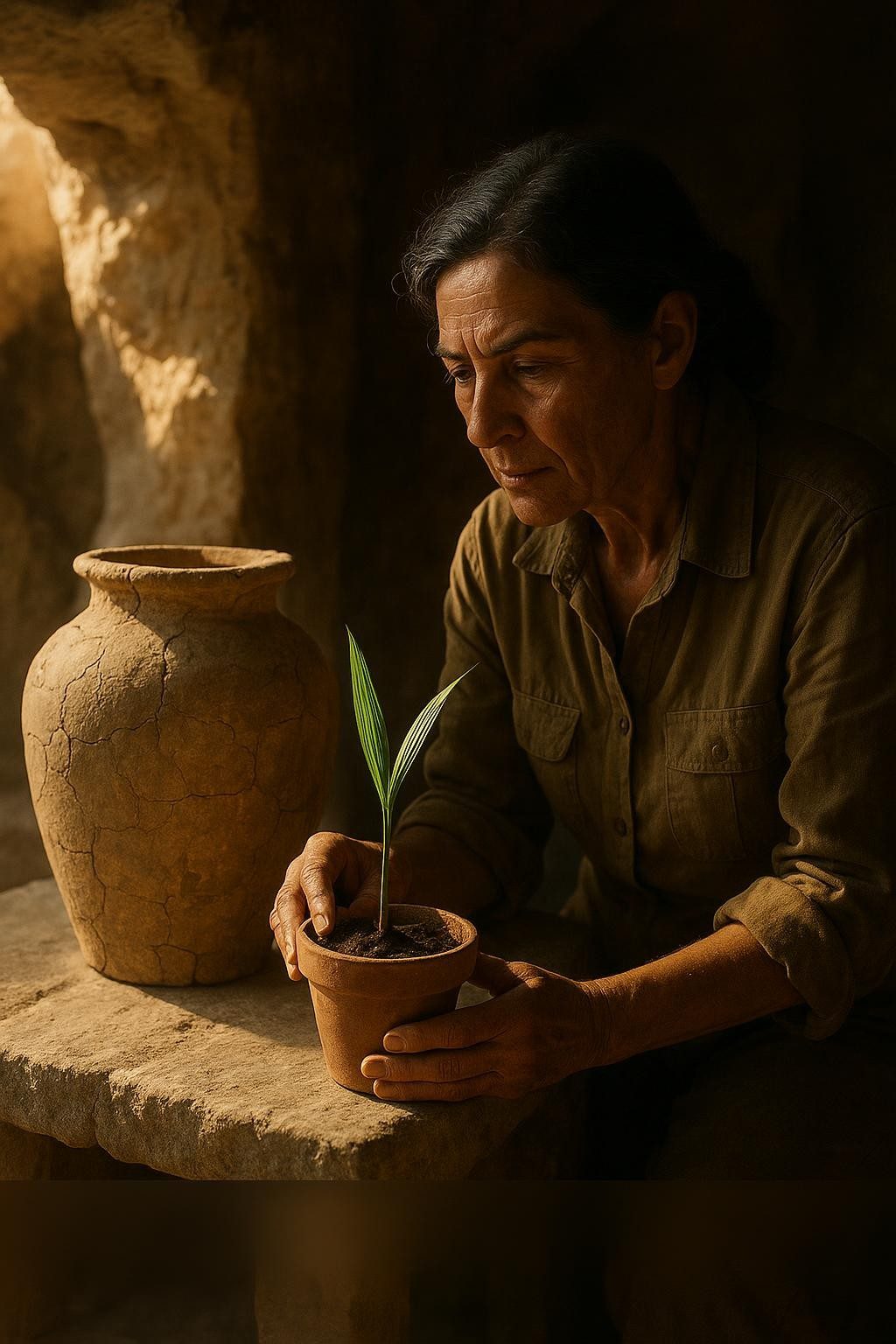
Methuselah was not just any plant. It was the oldest known seed to be successfully germinated. Inside, histories were hidden, whispering tales of an ancient world.
A Remarkable Discovery in the Judean Desert
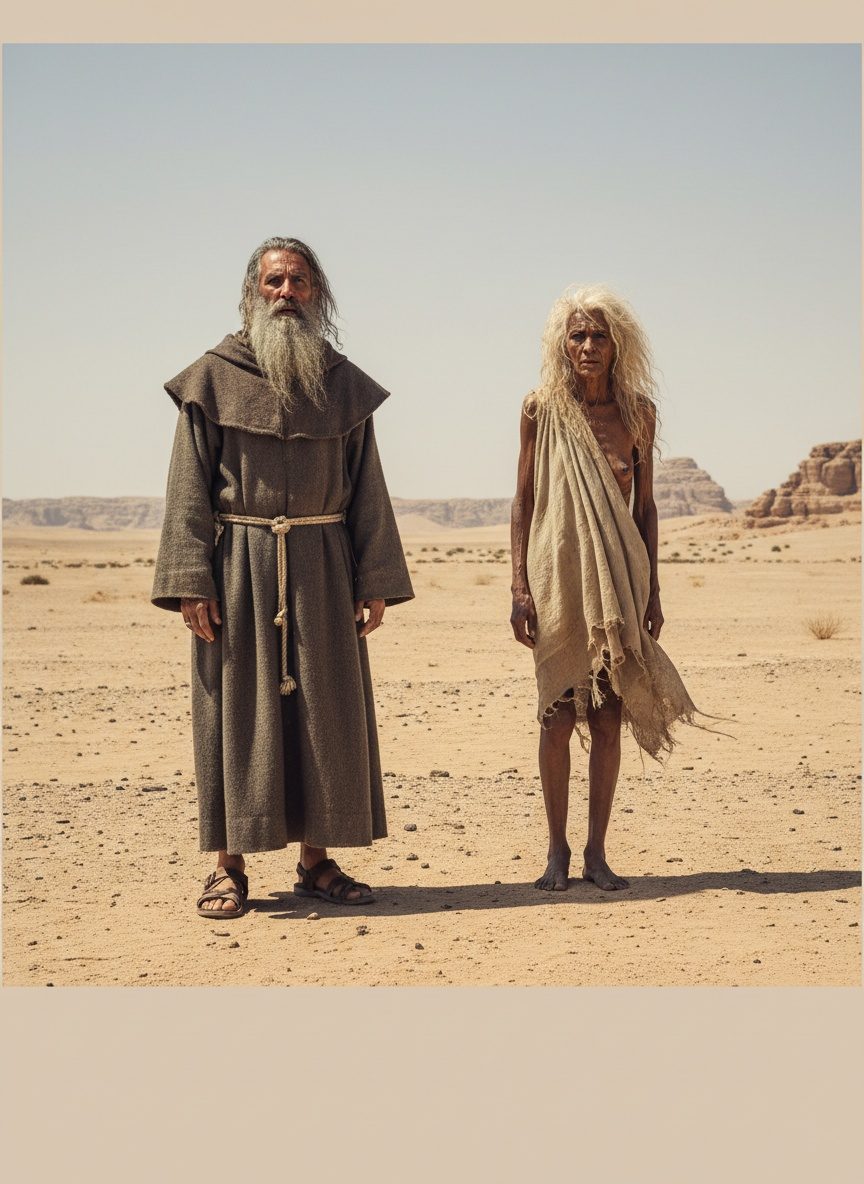
In the arid expanse of the Judean Desert near the Dead Sea, a team of archaeologists stumbled upon a site that would yield an extraordinary discovery. Sheltered within the rugged caves near Masada lay remnants from a bygone era. Amidst the dust and shadows, a clay jar stood sealed, untouched by human hands for over two millennia. This jar, a simple guardian of the past, held a surprise: a handful of date palm seeds, preserved in near-perfect condition.
The significance of these seeds was not initially apparent. Dating back to the time of Herod the Great, the seeds represented an ancient variety of the Judean date palm — a species once abundant in the region but believed extinct. The rarefied air and dry conditions of the desert had unknowingly created an ideal environment for preservation, encapsulating a living legacy from ancient Judea.
From Dormancy to Awakening
In 2005, Dr. Elaine Solowey, a botanist at the Arava Institute for Environmental Studies, embarked on an experiment shrouded in skepticism. The seeds were an archaeological treasure, yet could they still hold life? One seed, with signs of minimal decay, was selected for an audacious attempt at revival. Embedded with hope and history, it was carefully planted and nurtured in controlled conditions.
Against all odds, the seed germinated. Emerging from the soil in a tender green shoot, it was named Methuselah, a nod to its ancient lineage. As Methuselah grew, it offered a tangible link to the distant past. For scientists, it was more than horticultural success; it was a revival of cultural heritage and ecological knowledge thought lost to the sands of time.
The Life of the Judean Date Palm
Methuselah isn't just a curiosity for scientists; it signifies a remarkable story of resilience and continuity. The Judean date palm once thrived for centuries, feeding the bodies and spirits of its native people. Revered for its sweet, succulent fruit, the date palm was integral to daily sustenance and economic life in ancient Judea. These palms were renowned not only for their flavour but also for their supposed medicinal properties, referenced in texts spanning both religious and secular domains.
The demise of the Judean date palm, attributed to over-cultivation and changing climates, left behind a botanical void that Methuselah now begins to fill. As Methuselah matured, it became clear this ancient seed bore unique genetic markers and characteristics long absent from modern cousins of the species. It offered fresh insight into the agricultural practices of antiquity and rekindled appreciation for this storied varietal.
Modern Implications and Research
The successful germination of Methuselah has spurred renewed interest in the study of ancient plant varieties and their potential applications in today's world. Scientists have undertaken genetic analysis, comparing Methuselah to contemporary date palm cultivars, uncovering differences that might once again enrich agriculture in arid regions. The variability and resilience expressed by Methuselah may guide future crop cultivation in environments facing the pressures of climate change.
The site near Masada, now famous for its miraculous seed, catalyzed a wider exploration of ancient agricultural techniques revered by ancestors. Studies are underway concerning soil amendments, irrigation practices, and cross-pollination methods known to historical farmers, aiming to bolster modern food security initiatives.
A Living Connection to the Ancient World
Standing in the Judean Desert, under the watchful eye of Methuselah, one is reminded of the intricate dance between past and present. Methuselah’s germination speaks measures of the possibilities that lie dormant within history's silent relics. Each leaf unfurls, not just as a testimony to ancient artisans' agricultural skill but as a beacon for our era, emphasizing biodiversity and sustainable practice.
In Methuselah's story, we find a narrative of unexpected survival against the constraints of time, geography, and disappearance. It compels us to ponder the hidden potentials locked within other artifacts lingered in forgotten corners of the earth. Just as the Judean date palm once flourished in an ancient cultural symphony, Methuselah now stands not only as a green sentinel for our origins but also as a bridge into future exploration and understanding.