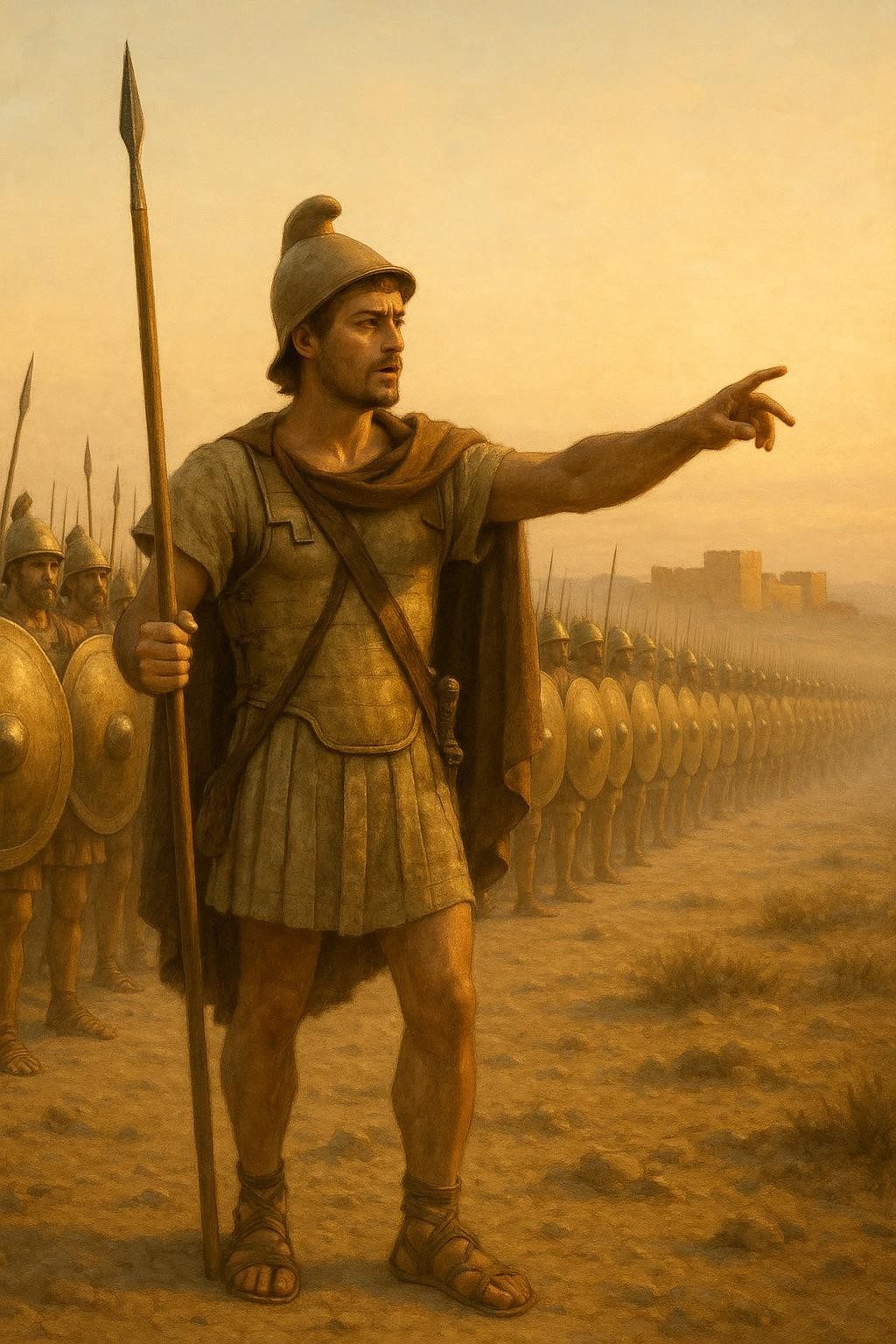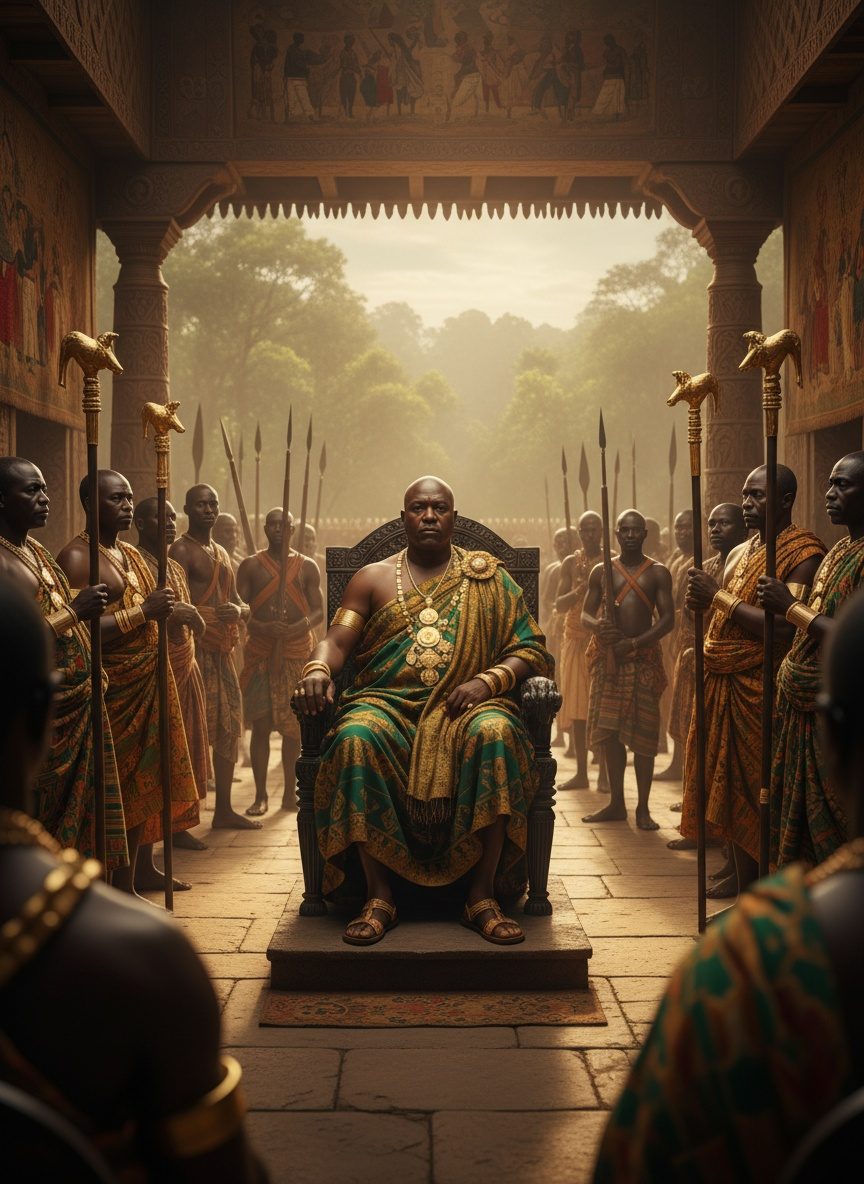
The British Army never lost against native forces in Africa. Until they did.
In January 1874, beneath the dense canopies of the West African forests, the air was teeming with an uneasy silence. It was the kind of quiet that precedes the inevitable clash of empires. General Garnet Wolseley led his disciplined British troops through the tropical landscape, each step met with resistance not from the natural terrain alone but from an opponent who understood these woods as intimately as their own hearts. The Asante Kingdom, under the leadership of Asantehene Kofi Karikari, was staring down the barrel of colonial aggression and would not relent easily.
At the heart of the British ambition was control and subjugation, clothed in the language of civilization and progress. They marched on Kumasi, the capital of the proud Asante, bearing the red flag of conquest that had fluttered defiantly over many lands. Yet, these forests had their own rules, their own kings. The Asante warriors, under Kofi Karikari’s command, had woven their spirits into the ferns and vines, ready to bleed the advancing columns for every foot of earth.
As the British forged deeper, the jungle seemed to tighten around them, both literally and metaphorically. British soldiers, unaccustomed to the humidity and unfamiliar with the terrain, found themselves in a daunting situation. The Asante made sure every mile was earned with a price, employing guerilla tactics that confused and scattered the opposing forces. These soldiers were not ready for the scale of resilience and determination meted out by the defenders. They were elite; the Asante were resolute.
The Asante forces were strategic, utilizing the natural cover of the forest to their advantage. They would strike with precision and then vanish, leaving the bewildered British to grapple with shadows. It was a display of tactical brilliance that went unrecognized in official records but whispered through history. The Asante's knowledge of their own land was not simply strategic—it was an extension of their identity, a fiercely protected autonomy against the encroaching imperial machine.
For weeks, the British battled not just the Asante army, but the land itself. Every trail seemed to lead into ambushes, every movement watched by unseen eyes. The Asante warriors, fierce in their aspiration to defend Kumasi, wielded not just traditional arms but also a profound understanding of psychological warfare. Their refusal to yield instilled both admiration and frustration, and London was growing impatient, unaware of the quagmires that can ensnare even the most well-equipped expeditionary forces.
Despite the relentless resistance, the British eventually pressed toward Kumasi. It could be said that they did so through sheer force, yet what lay in their path was a trail of pyrrhic victories. The jungle had taken its toll on both men and morale. Arriving finally at Kumasi, they found a ghost of the capital—a city razed by its defenders rather than suffer conquest by foreign hands. The gesture was unmistakable: a scorched earth, as a testament of resistance rather than compliance. The march had taken its due, but at what cost?
The British had triumphed, or so they claimed, but the staggering price painted a different tale. Reports sent back to London told of a campaign where victory tasted bitter—an unsettling reality that silenced the usual triumphalism. It wasn't merely the landscape that stifled optimism but a confrontation with a spirit that had not been broken, despite the physical conquest. Garnet Wolseley's forces returned home not to fanfare but to a quiet recognition of an adversary that refused to be remembered merely as a chapter in someone else's narrative.
Kofi Karikari was dethroned not long after, suspected of being too indecisive in his strategies, perhaps overshadowed by the overwhelming force of an empire. But for all intents, he remained a symbol of defiance. The Asante's ability to protract the battle and exact such a heavy toll on their would-be colonizers would echo through time, a strain of resistance against imperial might, a testament to an Africa that wouldn't flinch.
The events of 1874 remind us of the formidable complexity of colonial encounters. They serve as a reminder that beneath imperial maps and boundaries lay stories of human resistance, local narratives untold or glossed over by the broad brush of history. The Asante's stand against the British wasn't just a footnote but a prelude to the long, arduous histories of independence and identity that continue to evolve on the continent. It's a narrative of resilience that deserves much more than the silence that once greeted the British troops' return home.