He crafted grand architectures with brick and mortar, yet wielded the power of persuasion like a master artist. Tan Kah Kee was a businessman, not a statesman. However, his actions reverberated across continents, leaving an indelible mark on Sino-American relations in the early 20th century.
The late Qing Dynasty was a fragile period for China. The empire was riddled with internal strife, a rapidly modernizing world outside, and the influence of foreign powers creeping ever closer to its shores. Amidst this turmoil, a new kind of challenge emerged — one that would unite the Chinese diaspora in a way that perhaps no formal imperial directive could. It started with a single telegraph and echoed through the bustling streets of Peking, the quiet rural landscapes, and as far as Singapore and other parts of Southeast Asia.
In 1905, a seismic shift in international relations affected countless lives. The Chinese Exclusion Act in the United States was a recent, bitter reminder of the barriers erected against Chinese immigrants seeking better opportunities aboard American soil. As a republic emerging from imperial rule, the United States had institutions that legislated inequality, and nowhere was this more evident than in the ban on Chinese workers, targeting an already vulnerable population looking for promise on distant shores.
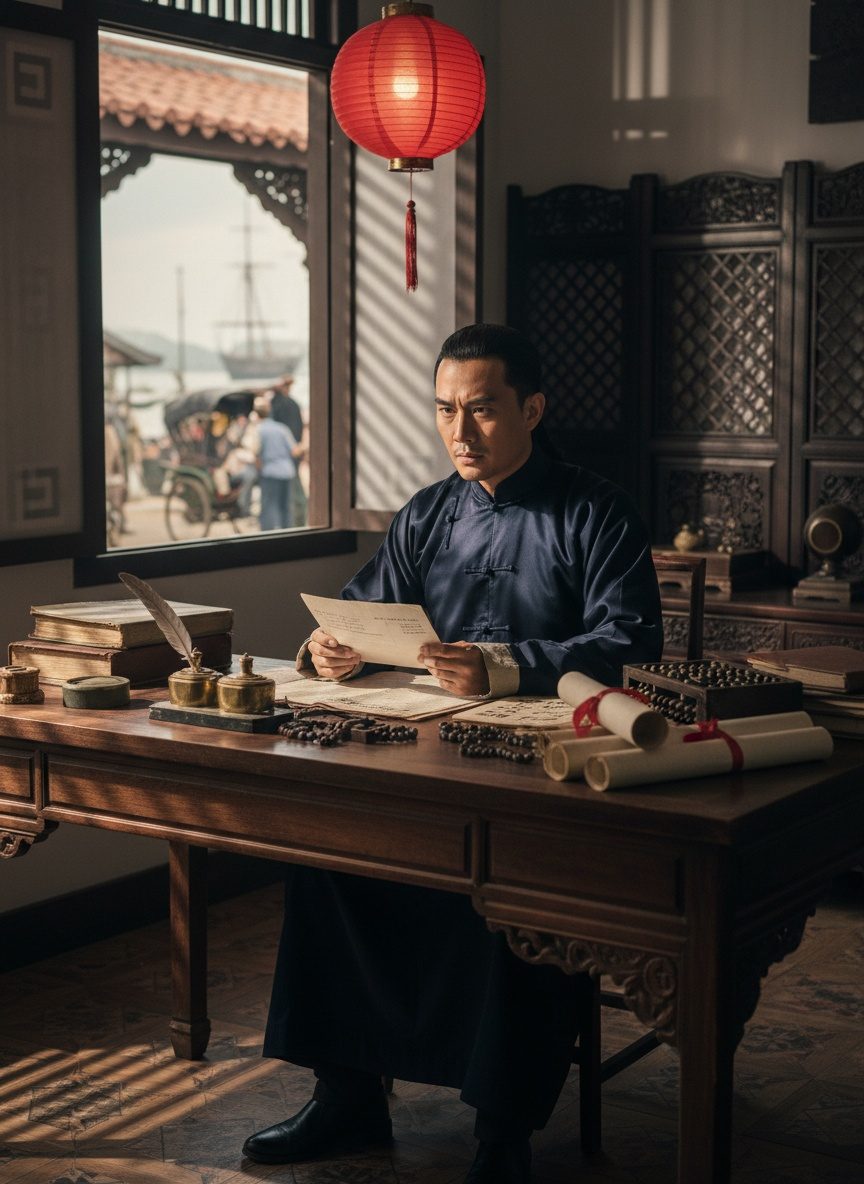
While the Qing emperor remained distant, seemingly indifferent to the plight of his people overseas, Tan Kah Kee put forth an audacious response. A merchant by trade, his reputation primarily lay in business, yet it was his profound understanding of unity and strategy that birthed a movement from his office — a call for a nationwide boycott of American goods. It was a daring plan, conceptualized from afar yet resonating deeply within China's borders.
The infrastructure of the boycott was built on a web of telegraphs, letters, and community meetings. In his adopted home of Singapore, Tan stood among the Chinese populace and ignited a spark of collective resolve. The boycott called upon a strategic resistance that aimed to challenge American economic interests right where it hurt: the pocketbook.
Clergy members and students, business tycoons and the working class — all found unity in Tan Kah Kee’s impassioned call to action. People from all walks of life combined forces to create an unprecedented network of resistance, engaging millions in a form of peaceful protest that bore staggering logistical sophistication. Complexities arose not only in supplying the word throughout key urban centers but in converting those whispers into confidently executed maneuvers.
The campaign did more than convey frustration towards American legislation; it crystallized an emergent sense of shared identity among the Chinese. Here was a demonstration of power: ordinary citizens, bound by heritage rather than geographical proximity, coming together to rewrite their narrative on an international stage. Through public speeches and written declarations, the boycott gathered momentum as over 150 merchants' unions across China spearheaded the movement. And thus, what began in Singapore quickly expanded into a worldwide phenomenon.
Washington watched warily as this merchant-led uprising took hold. On the ground, store shelves were gradually void of American imports. Boycotters chose local alternatives, effectively reshaping the economic dynamics in towns and cities across Asia. These actions stripped away layers of American commercial influence in the region, leaving policymakers in the US to second-guess the symbiotic economic relationship they thought they controlled.
Not everyone was happy, and there were detractors — both internal and external to Chinese communities — who feared repercussions and financial losses. However, the fervor demonstrated was undeniable, propelled by the weight of righteous indignation. Even within liberal circles in America, opinions formed regarding the overreach and ethical implications of exclusion, leading to eventual shifts in immigration policies in later years.
The strength of this campaign lay not only in its scope but its resonance across generations. It provoked conversations about the role of Chinese abroad, their power in numbers, and their capacity to alter history through calculated defiance. The successful orchestration of this boycott stands as a striking example of how grassroots movements can yield significant impact despite overwhelming odds, and Tan Kah Kee became an unsung hero in the annals of Sino-American relations.
In the wake of these events, buried beneath the meanders of colonial history textbooks and official documents, lies a pivotal historical moment defined not by imperial mandate, but by the decisiveness of one individual inspiring thousands to action. It is a tale infrequently told, but rich in lessons on solidarity, economic resistance, and international unity. Rather than receding into obscurity, the memory of this widespread call to reset unfair global balances continues to light the path for those who would challenge injustice, even today. In an era when individuals often feel powerless against the tide of political maneuverings, Tan Kah Kee's story reminds us of the profound power of a single voice echoed through the masses, compelling empires to take heed. In this tale of resistance and unity lies the enduring potential of concerted human will to provoke meaningful transformation, defying the presumed inevitabilities of geopolitics. His heartening audacity shamed an empire and proved that sometimes, significant change begins with the courage to simply say "no."