On the cusp of autumn in 1529, the mighty Ottoman Empire waged a campaign that could have redrawn the map of Europe. At its heart was Suleiman the Magnificent, a sultan whose very name sent shivers down the spines of European monarchs. His sights were set on Vienna, the gateway to Western Europe. Yet, as his armies neared victory, a foe no sword could strike emerged—rain. Nature, in one fell swoop, would play the unwitting savior of Christendom.
The Sultan's Ambitions and the March on Vienna
Suleiman I, known to his subjects as "Kanuni" or the "Lawgiver," reigned over the Ottoman Empire at its zenith. His empire stretched from the Middle East to the gates of Central Europe, a dominion unmatched in size and power. By 1529, Suleiman's conquests had cast a shadow over Hungary and large swathes of Eastern Europe. Vienna, a sparkling European capital and key defense outpost, lay within his grasp.
Suleiman's ambitions were as vast as his realm. In the spring of 1529, he rallied an army unlike any seen before. Estimates of its size vary, but many modern historians agree that Suleiman commanded perhaps 120,000 soldiers, equipped with the era's most formidable siege artillery. Under the Sultan's leadership, towering banners fluttered in the breeze, vast supplies were meticulously organized, and expert gunners stood ready to rain hell upon those in their path.
Into the Eye of the Storm: The Journey
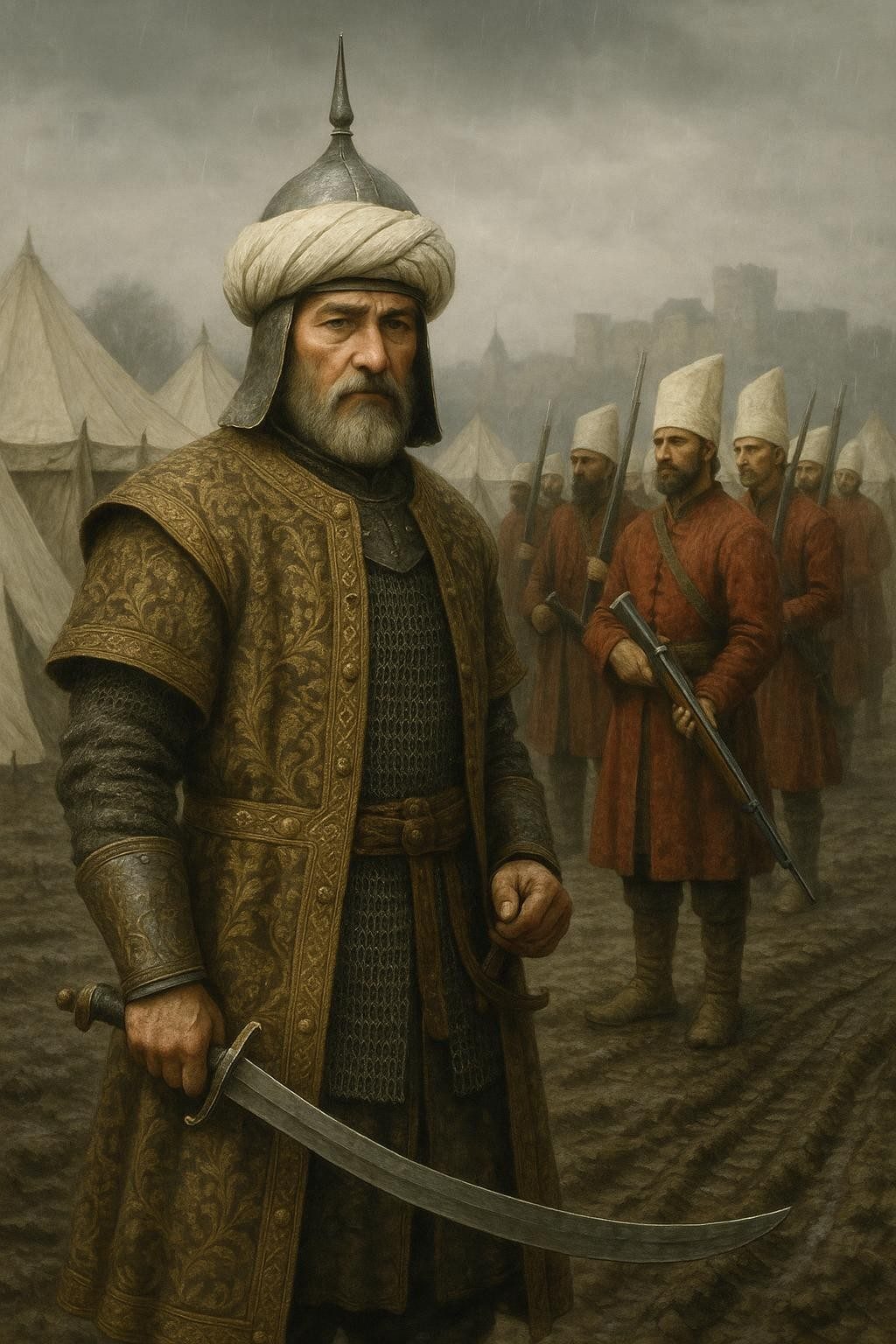
The journey from Constantinople to Vienna was no easy feat, stretching roughly 1,000 miles through treacherous terrain. As Suleiman's forces moved across Hungary, they were met not by armies, but by resistance from an unexpected adversary—nature itself. Torrential rain turned roads to rivers and fields to quagmires. Soldiers, normally so disciplined and organized, found themselves bogged down in mud that devoured equipment and slowed their pace to a crawl.
A rare detail, often overlooked in broad histories, is the logistical nightmare these conditions caused. Supplies meant to last weeks were consumed rapidly, as wagons struggled in the mire, and livestock weakened. As days turned into weeks, morale among the Ottoman force began to slip. Still, propelled by Suleiman's resolve, they pushed on towards Vienna.
The Defense of Vienna
Within the walls of Vienna stood a starkly different picture. The city, aware of its strategic importance, braced for impact. Its defenders numbered around 17,000—a mere fraction compared to Suleiman's forces. However, led by Wilhelm von Roggendorf, an experienced Austrian noble, the Viennese prepared to fight with tenacity and intelligence.
Vienna's resilience was fortified by its formidable walls and the construction of added earthworks—structures that absorbed cannonballs better than stone. Furthermore, civilians worked tirelessly, turning the city into a fortress, prepared for the onslaught. Aiding the defenders was a band of Spanish and German mercenaries, who brought with them not only muscle but expertise in counter-siege strategies.
A Siege in Mud and Fury
On September 27, 1529, as Suleiman laid siege, Vienna was poised to become a battleground of titans. Initial Ottoman assaults were repelled, yet the threat of the Sultan's artillery remained—a weapon that had felled Constantinople itself in 1453. However, the relentless rain made trench digging difficult, allowing the Viennese to strengthen their defenses and launch counter-attacks.
In one astounding episode, Viennese defenders mounted a sortie that caught the Ottomans off-guard, burning some of their wooden siege structures. These spirited defenders—ordinary citizens, militia, experienced soldiers—became a force that even Suleiman found himself respecting.
Yet those within the walls knew their time was borrowed. Supplies dwindled, desperate mathems were made of how long the city could last. The wet, cold embrace of the approaching winter, combined with effective resistance, wore at the invading army's will. Diseases began to creep into the Ottoman ranks, and the realization dawned that the city might not fall as easily as other conquests.
A Tactical Retreat and the End of Expansion
October came, and with it, the realization that news of approaching European reinforcements might outstrip the Ottomans' siege progress. Suleiman, pragmatic if nothing else, made the difficult decision to withdraw on October 14. The retreat, tedious and demoralizing, was executed with remarkable discipline for an army that had faced such hardship.
The siege of Vienna was over, but its ramifications echoed through Europe. Suleiman's campaign marked the empire's most ambitious attempt to penetrate the heart of Europe, yet from that moment, the Ottoman tide slowly began to retreat. Vienna, and by extension Europe, had turned back an army everyone thought invincible, thanks in part to fortune’s own intervention.
The Legacy of a Weather-Worn Siege
Reflecting on this historic clash, we see not just tales of valor or strategy but a profound lesson in the unpredictability of fate. The rain that halted Suleiman marked a turning point; it was an early testament to the limits of hubris and ambition, forces that nature itself is apt to humble. It was a foreshadowing of the modern era where small, seemingly uncontrollable variables could shape the destinies of great powers.
Vienna's stand is a reminder of the resilience of societies facing overwhelming odds, an echo in today's world where small collectives challenge global giants. The siege remains a profound testament to the indomitable spirit of human defense—a story where rain, not arms, wrote the history of an empire's retreat.