The tropical air of Hainan Island in 1097 was heavy with moisture, carrying the unrelenting heat and the distant perfume of ocean brine. The dense canopy of palms and broad-leaved shrubs rustled gently in the slightest breeze, contrasting with the piercing chorus of cicadas resonating through the air. Within this secluded paradise, worlds away from the grandeur of court life in Bianjing, stood a frail yet steadfast figure. Su Dongpo, once China's beloved poet and senior court official, now lived in this far-flung exile. The verdant jungle, vibrant with life, seemed an unlikely cradle for one of history's greatest literary legacies.
The Outpost at the Edge of the Known World
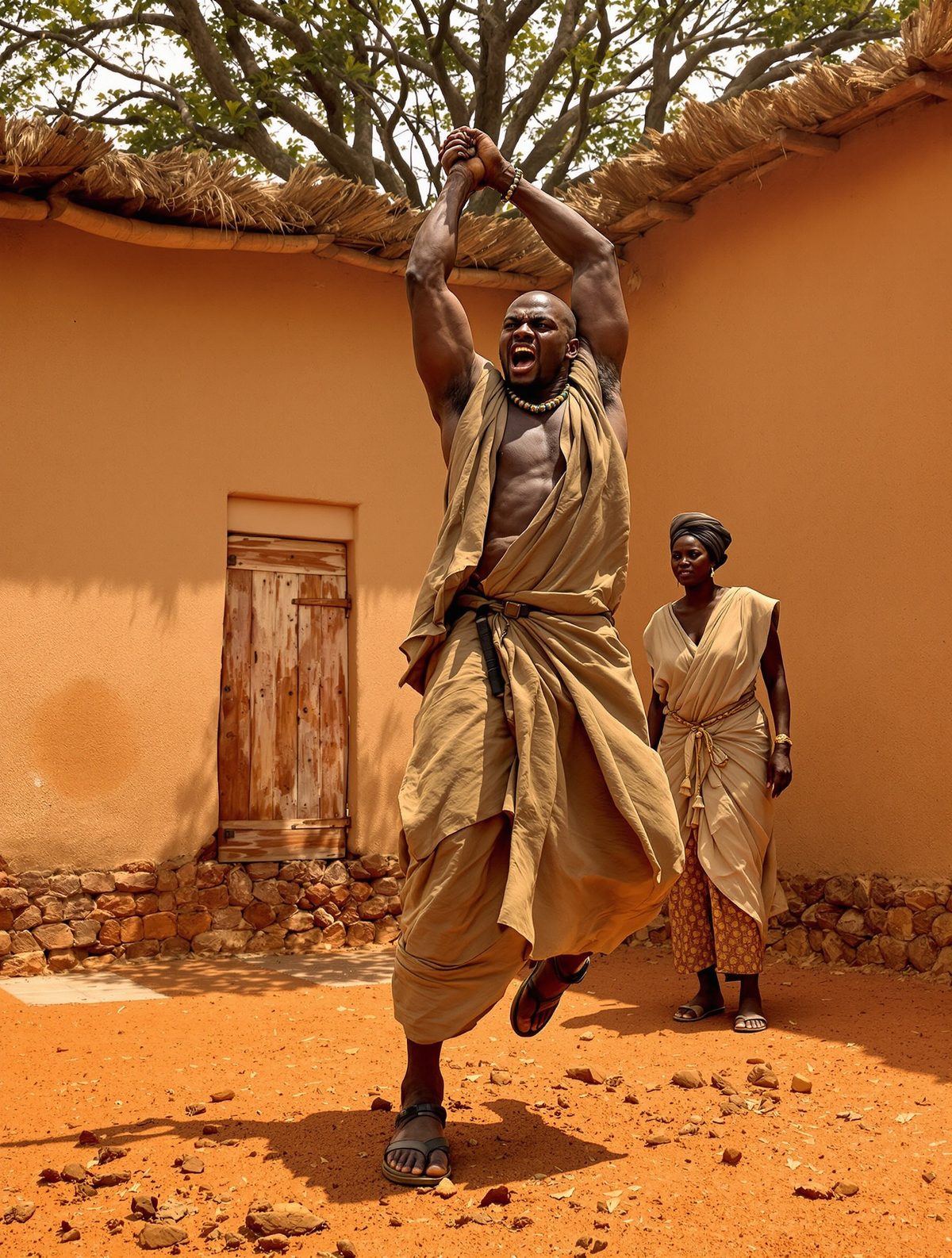
Hainan Island was not merely distant in terms of geography but also in its societal disconnect from the empire's cultural heart. It was a land perceived by the imperial court as savage, unsophisticated, and hostile—a place reserved for those who had fallen from grace, like Su Dongpo. Yet, the island sang an entirely different song to those willing to listen. For Su, this fringe territory teemed with opportunities for reflection and revival. Stripped of status and resources, he stood among the indigenous Li people and a handful of settlers, finding discomfort but also inspiration in this humbled solitude.
This unlikely refuge on the edge of the empire became Su's entire world. The lack of a grand library forced him to rely more on memory and imagination, crafting verses that roamed far beyond the confines of his isolation. Gone were the structured, bustling conversations of court life; in their place was the conversation between a man and the vibrant wilderness surrounding him. Su's exile—meant to stifle his voice—had paradoxically provided the tongue of the land to speak through his pen.
The Poet's Garden
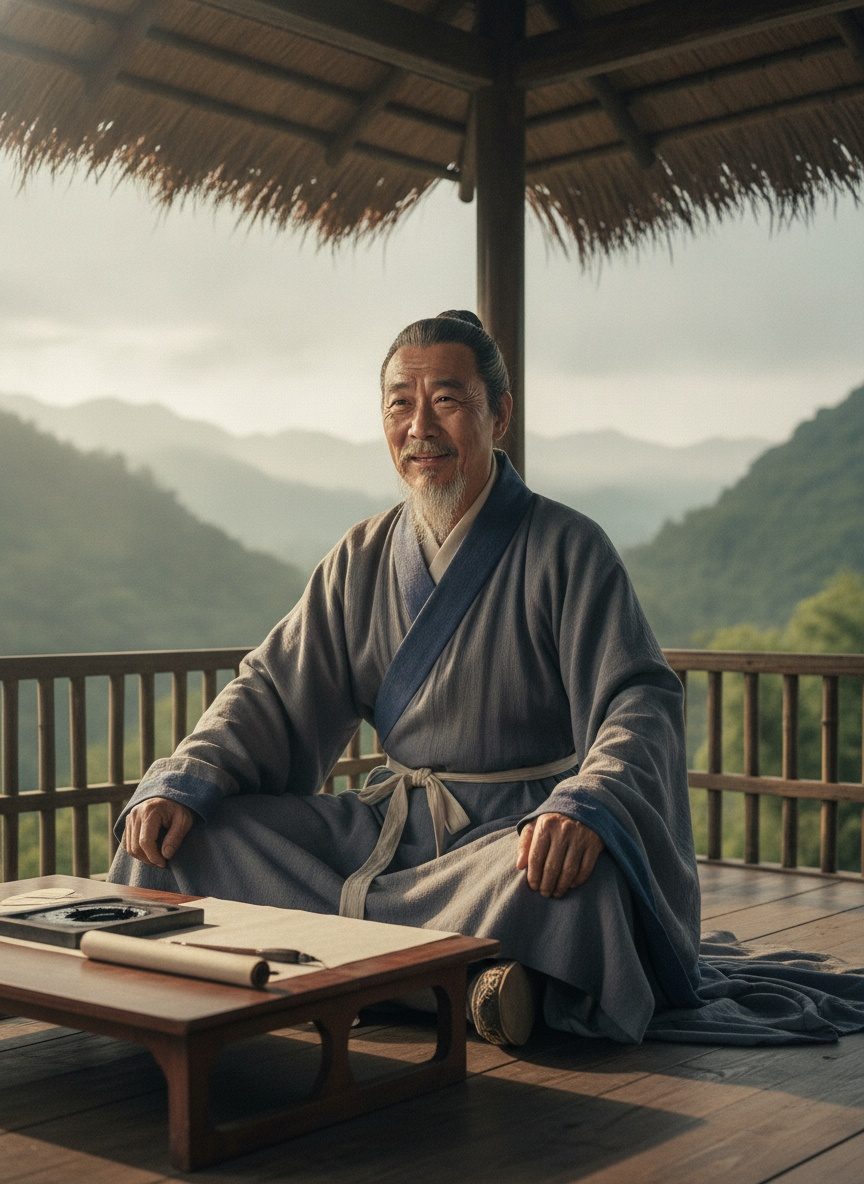
Relegated to this edge of civilization, Su Dongpo took solace in what he could cultivate with his own hands. With unwavering resolve, he planted a garden. This humble tapestry of flora was composed of fragrant herbs, blossoming flowers, and fruitful trees—a symbol of his resilience and creativity. To Su, this garden was not just a sanctuary but a canvas on which to enact his silent rebellion against imperial decree. Each growing vine and blooming petal was a testament to a life rhythm that thrived despite the emperor's intent to diminish him.
Su Dongpo's words flourished alongside his garden. Fueled by nature's cyclical dance of life and death, he penned poetry that captured the quiet dignity of his surroundings. Verses flowed as naturally as the streams that meandered through Hainan, reflecting profound insights and humor in the face of adversity. This garden sanctuary mirrored the intricate worlds he painted with his words, where landscapes transmuted into metaphors for freedom and constraint, resilience and concession.
The Pen That Refused to Remain Silent
Reduced to mere survival, Su nonetheless anchored himself in the solitary act of creation. Without the distractions of courtly life, he delved deeper into philosophy and introspection, writing essays and letters that demonstrated his undying intellectual vigor. The wisdom-loving Confucian scholar in him found expression through humanistic reflections, even amidst a society that had cast him aside. Here, Su examined the fabric of life with the precision of a calligrapher, inspiring empathy and reflection amidst the currents of his turbulent times.
His exile writings, particularly the poetry, would outlive him and permeate beyond the confines of his island prison. These verses articulated the tension between spiritual fulfillment and material deprivation, themes still resonant today. In a landscape seemingly designed to silence him, Su's pen immortalized his thoughts about landscapes both internal and external. His contributions would shape not just Chinese literature but the cultural identity of a nation during an era marked by intellectual prosperity.
A Paradise Forged in Exile
Su Dongpo was no stranger to adversity; his journey was marked by previous exiles and brushes with death. Yet, to be banished to Hainan was pivotal — an ultimate banishment, wherein "paradise" was conjured from the very soil of desolation. Through this improvisatory exile, he demonstrated an ability to find beauty and meaning in tribulation, transforming isolation into a timeless oeuvre of resilience and artistic brilliance.
Today, Su Dongpo's legacy reminds us that the setting of a story does not inherently limit its potential for greatness. Instead, it is the spark of creativity, the unwavering persistence in the face of hardship, and the ability to find one's voice when the world seeks silence that can transform an isolated man into a beacon of enduring wisdom. In the face of insurmountable odds, an exile at the edge of civilization becomes the heart of artistic inspiration, where nature's primitive beauty wove into the fabric of a civilization—forever enriching it.