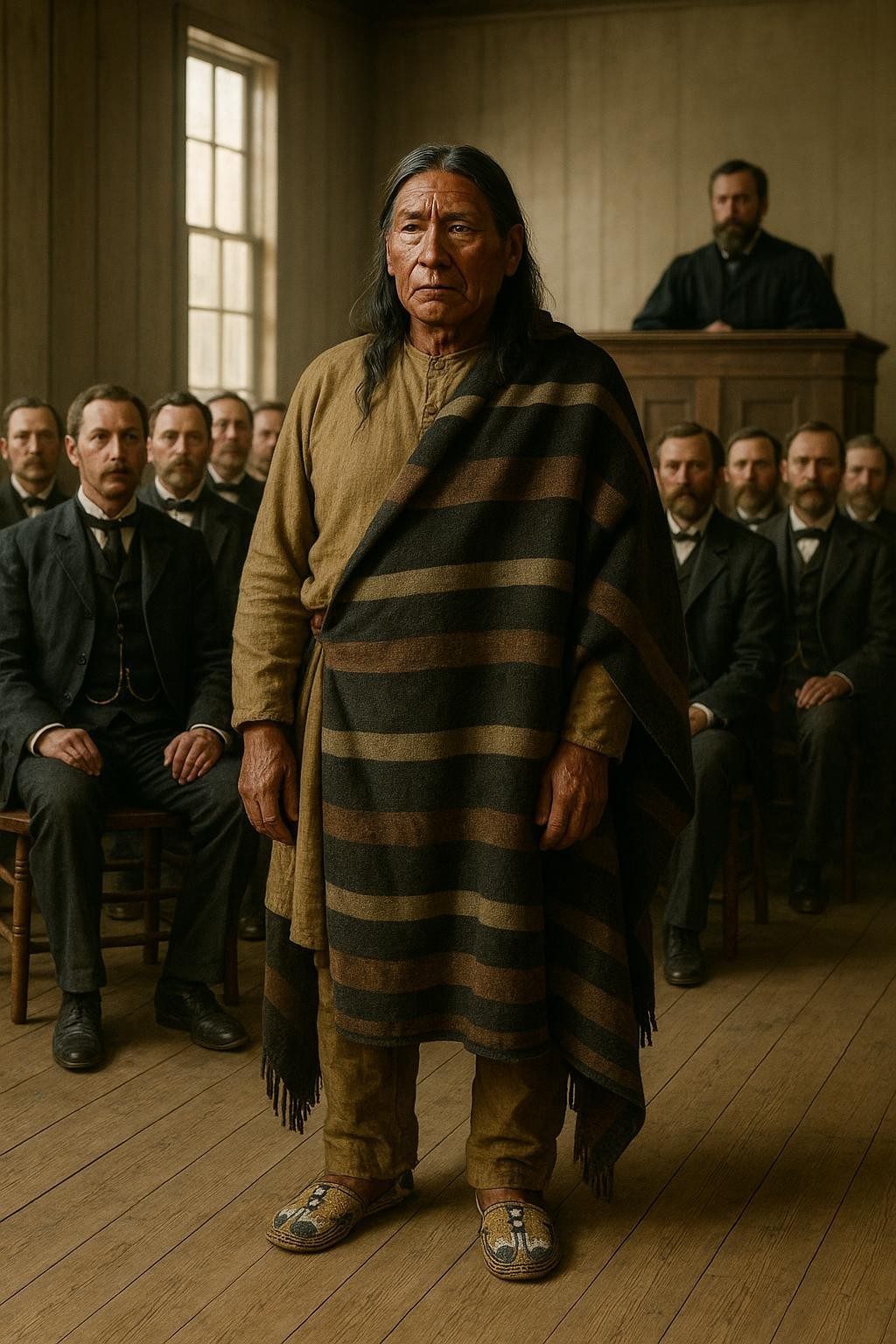
The courtroom was packed on that gray April morning in 1879, the air tense with anticipation. Outside, a mist clung to the streets of Omaha, Nebraska, soaking into the brick facades and creeping into joints in the cobblestones. Inside, the heavy wooden benches groaned under the weight of the assembled, men shifting in their seats, uncomfortable in the close quarters. The sound of rain drumming on the roof underscored the murmur of conversation and the shuffle of papers. At the center of it all, the figure of a man stood — dignified, resolute, perhaps apprehensive. He was a Ponca chief named Standing Bear, and he was about to change the course of history with a few simple words.
The Journey of Heartbreak
Standing Bear had not set out to make history that day. His journey to the courtroom began with a desperate attempt to honor his son’s memory. Just two years prior, the U.S. government forcibly removed the Ponca tribe from their ancestral lands along the Niobrara River, located in what is now Nebraska, and relocated them to Indian Territory, present-day Oklahoma. The brutal journey was one of hardship and heartache, marked by disease, hunger, and despair. Among those who suffered was Standing Bear's own son, Bear Shield, whose life slipped away in the alien land far from home.
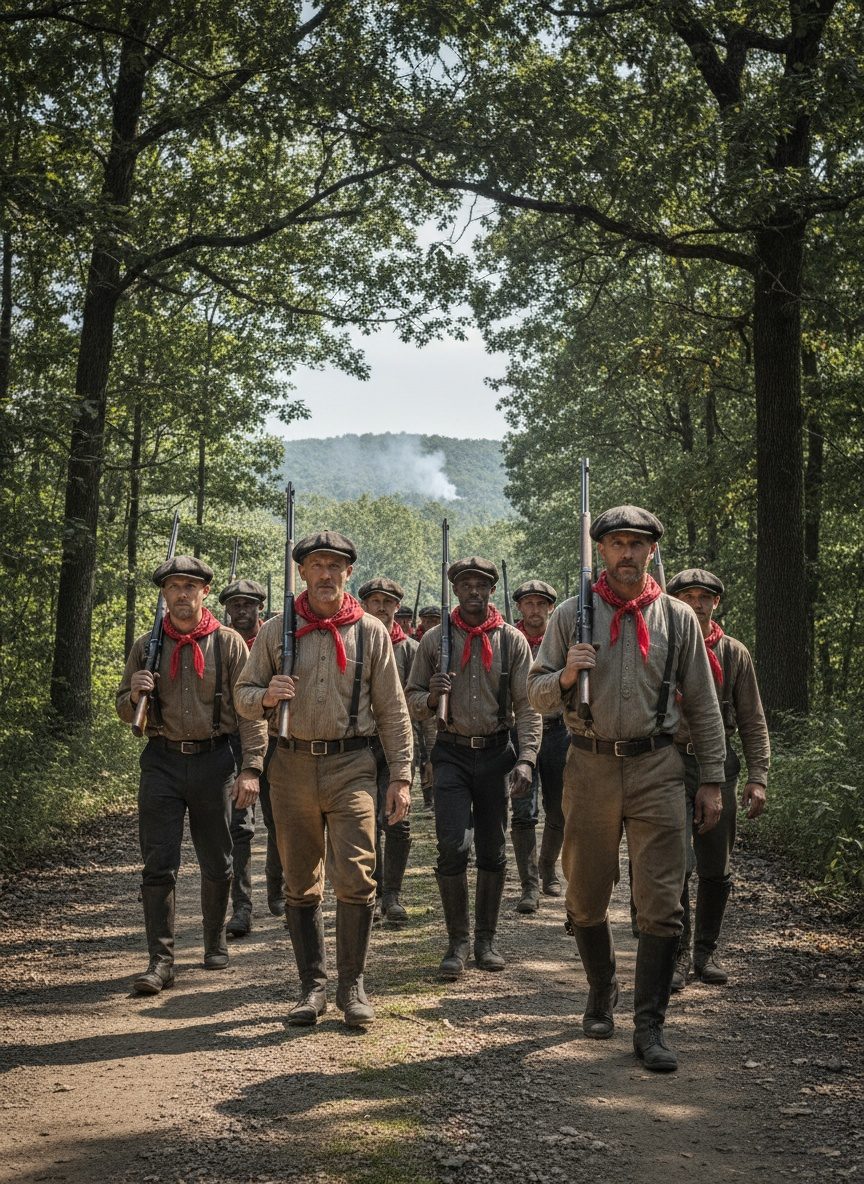
As he lay dying, Bear Shield begged his father to take him back to the land of his people for burial. For the Ponca, ancestral lands held spiritual significance and were essential to their identity and cultural practices. Standing Bear promised his son that he would lay him to rest in the soil of his forebears. Yet, fulfilling this promise meant embarking on a dangerous journey. With grim determination, standing against harsh elements and harrowing odds, Standing Bear led a group of followers northward through the expansive plains of the American West.
Arriving in Nebraska, Standing Bear faced an unexpected obstacle: the U.S. government. Army officials arrested him and his companions, refusing their plea to bury Bear Shield on their ancient land. The government deemed Standing Bear and his people violators of federal orders restricting their movements, intending to return them to the reservation. Yet, as harsh as the officials' greeting was, it was nothing compared to the foreboding embrace of the elements that had already claimed too many of his kin.
Words that Echoed Through History
Standing Bear's legal case began to attract attention. Certainly, he was not the first Indigenous person to defy unjust laws, but his plight resonated with many who interpreted his journey not only as an act of a father's love but as a broader struggle for dignity and justice. Thus, on that chill morning in 1879, he found himself standing before a judge, presenting a challenge steeped with more than personal grief — it tested the very legal fabric of the young nation itself.
The courtroom fell silent as Standing Bear raised his hand. The dim light cast deep shadows across his face, etching lines etched by sorrow and determination. Through an interpreter, the Ponca chief addressed the bench, attempting to convey more than words. He spoke of his humanity, of his rights not merely as a Native American but as a human being. In a voice both firm and resounding, he uttered a plea that would reverberate beyond the walls of the courthouse: "I am a man."
Those words, simple yet thunderous, pierced the assumptions of 19th-century American society. They demanded recognition of Native Americans not as subjects or wards of the state but as individuals with inherent rights. It was a moment that momentarily held time still, the weight of those words causing even the most indifferent listener to reconsider their understanding of personhood and justice.
The Changing Winds of Justice
The challenge put forth by Standing Bear’s statement could not be ignored. U.S. District Judge Elmer S. Dundy's decision was groundbreaking. In recognizing Standing Bear as a person under U.S. law, Dundy acknowledged the fundamental truth behind those piercing five words. The ruling granted Standing Bear and, by extension, other Native Americans, the legal status to challenge their forced removal and assert their rights. This moment reframed the struggle for Native American rights within the broader context of American civil rights.
The significance of the decision extended far beyond the courtroom. It symbolized a shift in the landscape of Native American–U.S. relations, setting a legal precedent that stripped away one layer of the dehumanization that Indigenous peoples had suffered. In the years that followed, the ramifications would ripple through the legal battles for Native American autonomy and civil rights, reshaping the relationship between Indigenous tribes and the federal government.
Standing Bear’s poignant courtroom declaration has come to symbolize a wider turning point in American history, one that underscores the enduring fight for recognition and respect. In uttering those five words, he not only honored a promise to his son but also sparked a dialogue about what it means to be acknowledged as human within America’s vast, often exclusionary narrative. An act born from a father's love and respect for his son became an enduring legacy of courage and resilience, echoing through time as a beacon of justice.