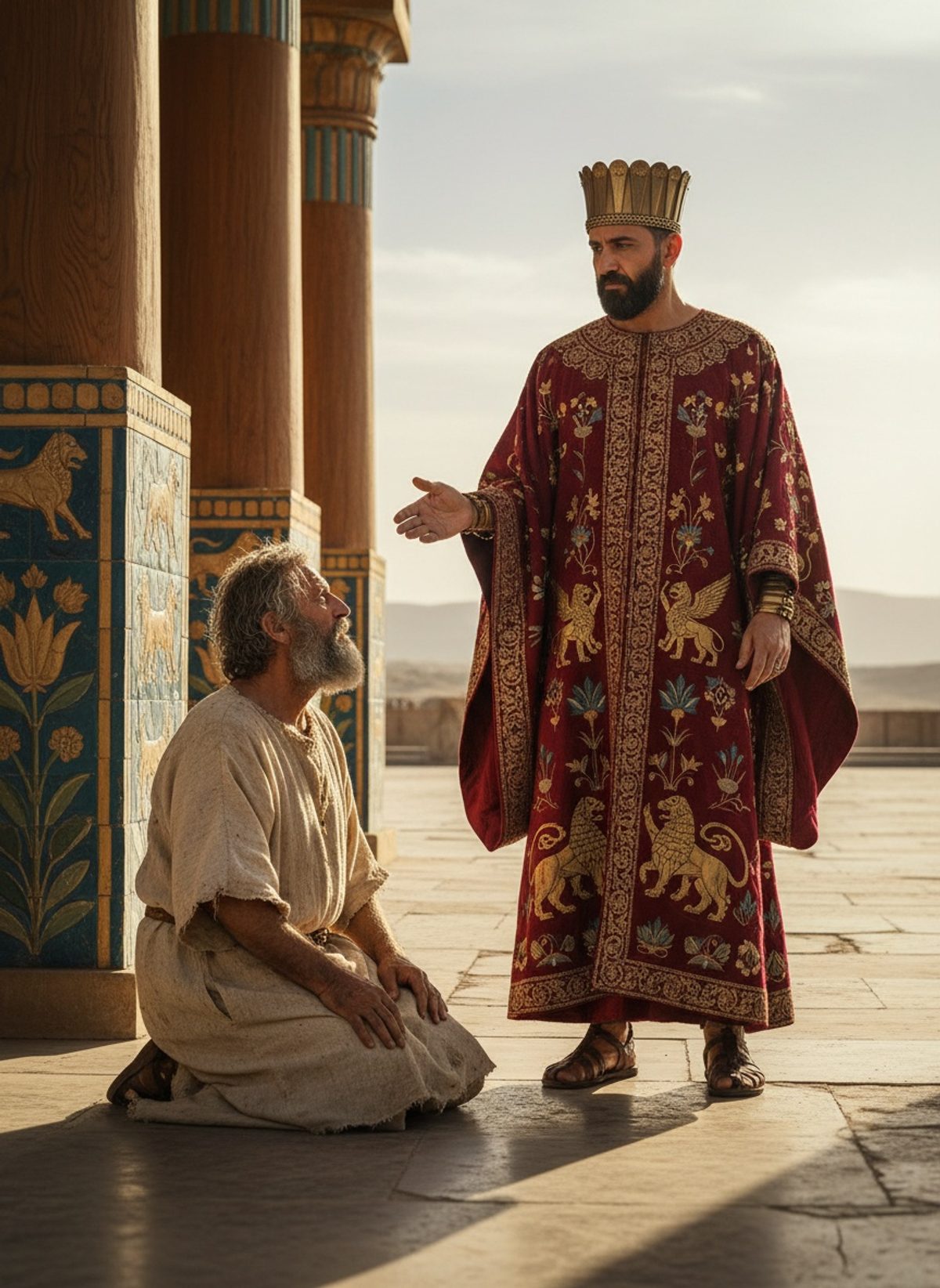
The sun hung low in the North African sky, casting long shadows over the ancient city of Carthage. A chill breeze swept across the city, rattling the leaves of the olive trees and carrying the distant sounds of soldiers preparing for the next phase of conflict. It was 203 BCE, and Carthage had taken on an eerie stillness after the whirlwind of the Second Punic War. Amidst these serene surroundings, the fate of a single woman was being sealed—a fate that would echo through history as both a tragedy and a triumph of spirit.
The Spoils of Victory
In the aftermath of fierce battles between Carthage and Rome, a delicate peace hung in the balance. Among the illustrious captives was Sophonisba, a Carthaginian noblewoman known for her beauty and intellect. The daughter of Hasdrubal Gisco, a prominent Carthaginian commander, Sophonisba was much more than a decorative figure of her time. Described as both brilliant and defiant, she embodied the spirit of a city struggling to retain its identity amidst the threat of Roman conquest.
Standing as a testament to Carthage's once-great power, Sophonisba's life was now reduced to a token of war. The Roman general, eager to parade his victory, intended to claim her as a prize. Yet, Sophonisba understood the stakes. She knew that becoming a spectacle in Rome was not just a personal humiliation but a symbolic victory over her people. And she refused to let her life capsize into such a degrading finale.
The Defiant Bride
Sophonisba’s life was inexorably linked to the tides of war from her marriage to Syphax, the King of Numidia who initially allied with Rome before siding with Carthage. Her union with him was not just a matter of love or dynasty; it was a strategic maneuver, representative of Carthage's diplomatic entanglements. When Numidia shifted allegiance to Rome, the repercussions were swift.
Captured alongside her husband, Sophonisba was thrust into the brutal politics of defeat. Syphax was imprisoned by the Romans, but Sophonisba caught the eye of Masinissa, another powerful Numidian chieftain allied with Rome. To secure his hold on Numidia and to grant Sophonisba a semblance of protection, he hastily married her, hoping to save her from the fate awaiting war captives.
A Choice of Honor
The marriage, however, did not quell Rome's intentions. Masinissa found himself in a bind, caught between loyalty to Rome and his new bond with Sophonisba. When the Roman general demanded Sophonisba to be handed over, Masinissa was faced with an impossible decision—either betray Rome or hand over his bride to a life of captivity and disgrace.
Sophonisba grasped the gravity of her situation. Unwilling to be humiliated as a Roman trophy, she crafted a plan to secure her dignity. She sent a message to Masinissa, a plea and an ultimatum wrapped in one: she would not live to be paraded through Rome in chains. Her final moments were her own to dictate; her life would end on her own terms.
The Last Cup
In response to her desperate message, Masinissa, torn as he was, complied with her wish. A cup arrived—a simple yet potent vessel containing the poison that would free Sophonisba from captivity. The irony was profound. She may have not wielded political power, but her resolute spirit made her a force on the battlefield that was North Africa’s soul.
As she lifted the cup to her lips, the choice was as clear as the North African skies. Her life, once a plunder of war, was now a beacon of defiance. Sophonisba drank the poison, each drop a declaration of autonomy and unyielding resistance. Her death was not a mere escape but a final insubordination against the invaders that sought to break her spirit.
The Enduring Echo
In the annals of history, where grandeur often overshadows personal bravery, Sophonisba’s saga stands stark against the impersonal backdrop of warfare. Her decision was not just an act of personal defiance against being displayed as a spoil of war; it was a profound statement about agency and honor in a time that allowed little of either for women. Her willingness to choose death over dishonor rippled through the corridors of history, leaving both Romans and Carthaginians to grapple with the implications of her bold choice.
Sophonisba’s story emerges not just as a footnote in a war over power and empire, but as a timeless narrative of human dignity. Her choice to face death with courage is a poignant reminder of the complexities of honor, autonomy, and identity in a world driven by the tides of conflict. Her singular act serves as a lasting testament to an indomitable spirit, written in the silent pages of history, teaching us about the battles fought not just with weapons and might, but with the quiet, unyielding resolve of courage.