The late summer air in Philadelphia can hang thick and heavy, the hazy humidity catching the sunlight and stretching shadows along Independence Hall, that birthplace of American ideals. It was here, under such skies, that a former Marine Corps Major General named Smedley Butler took a stand unlike any other. The stakes of his speech were immense: he was not merely recounting the horrors of war, but unmasking the very fabric of a nation's military engagements as a web of self-interested corporate manipulations. For once in the sprawling annals of American military history, an insider was about to blow the whistle—on himself.
The Decorated Marine's Discontent
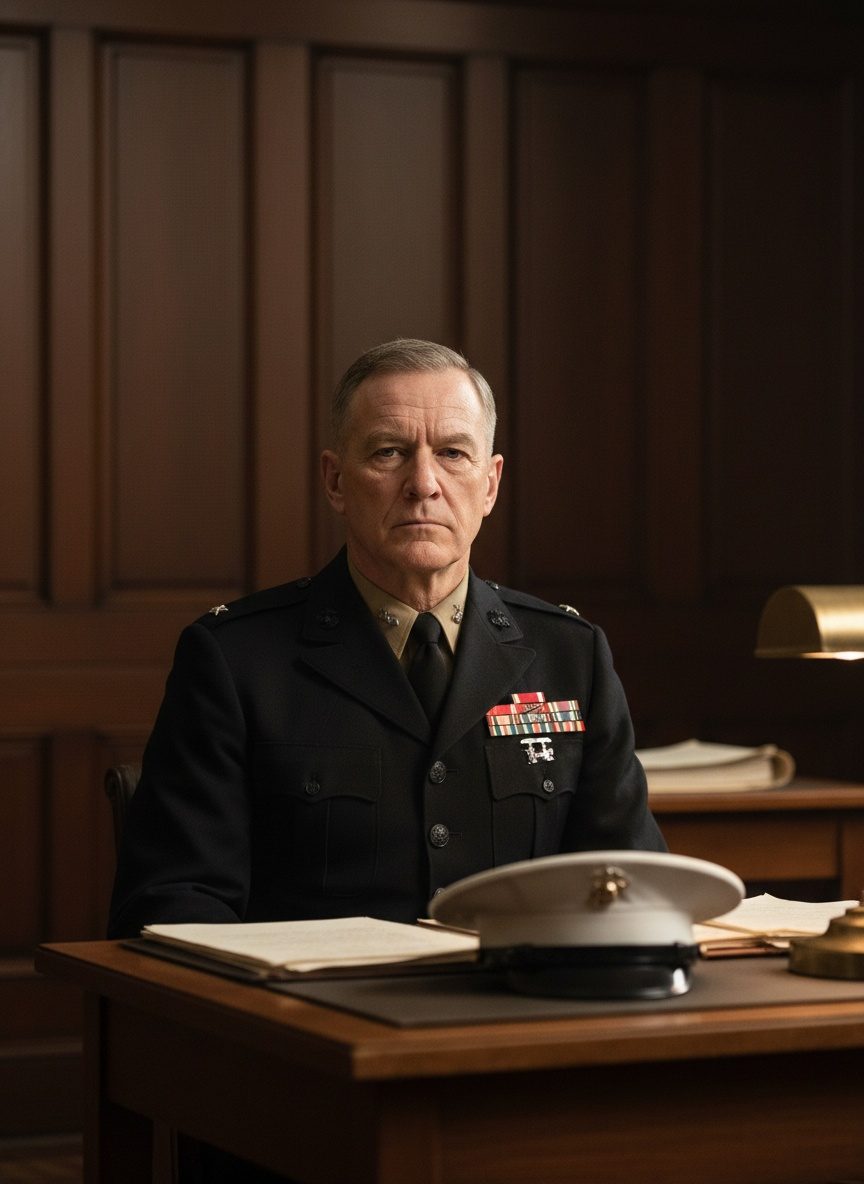
Smedley Butler was more than just a soldier; he was a legend woven into the very fabric of American military lore. Born into a well-to-do Philadelphia Quaker family, Butler exchanged his pacifist roots for the rigors of military life at just 16, driven by a deep-seated sense of duty to his nation. He quickly rose through the ranks, eventually commanding forces on four continents. His exploits in conflicts such as the Boxer Rebellion in China and the Banana Wars in Central America earned him two Medals of Honor—a distinction of valor achieved by few.
Yet, beneath the accolades and martial glory, Butler harbored growing doubts about the wars he fought. By 1933, his disillusionment had crystallized into a damning perspective: those battles and campaigns were less about defending democracy and more about benefiting American business interests worldwide. Butler's role, it seemed, was less that of a patriot than a mercenary. Speaking to Congress, he unabashedly termed his military actions as a form of organized crime, with himself a "racketeer for capitalism."
This revelation was shocking in its candor. But Butler was deeply convicted. The stark dichotomy between his military decor and the underlying motives of engagement fueled a growing anti-war sentiment. His message: the notion of military honor was often twisted by those with power, leveraged to shield the economic motives driving war. As this truth surfaced, it spotlighted a previously obscured aspect of American imperialism that legislators and citizens alike could no longer ignore.
The Heart of a Whistleblower
It was 1935 that saw the full realization of Butler’s candid perspective in a widely circulated pamphlet titled "War is a Racket." Its pages bore a visceral confession, portended not by elaborate academic discourse but through plainspoken clarity—a military strategy laced with stark accusations against the forces of Wall Street and industry. Butler contended that soldiers, hailed as heroes, were simply pawns in a game serving bankers and businessmen seeking to expand their empires under the guise of liberation.
This stunning critique cut against the grain of public perception and patriotic sentiment. Yet, Butler's own storied past lent credence to his words. His recounting included specific allegations: interventions in Nicaragua and Haiti safeguarding American banking interests, and skirmishes around China's access points ensuring open markets for American goods.
Butler's pamphlet read more like an exposé than a memoir. He meticulously named the key players benefiting from these military maneuvers, imposing a new lens through which the public could evaluate the posturing of both government and private sectors. And while his outspokenness was dismissed by some as radical or unpatriotic, others found truth in Butler's proclamation—that national defense had often been a masquerade for financial exploitation.
The Legacy of Unequaled Valor and Uncommon Valor
The significance of Smedley Butler's confession extends beyond the rare simplicity with which he delivered rigged truths. It was a precursor to a more skeptical stance on war that would emerge in later decades. This was an American hero acknowledging the darker side of foreign intervention, daring Congress and the people to look beyond flags and slogans to see the heart of systemic exploitation.
Butler's story underscores the critical need for transparency and accountability in the intersection of military action and economic interest. His willingness to step forward called into question narratives long held sacred and prompted a closer scrutiny of the relationship between the military and corporations—a cautionary tale about the potential divergence of national interest and profit.
Today, as questions about military intervention persist, the echoes of his testimony still resound. Smedley Butler remains not just a figure of military lore but a sentinel reminding us that the true cost of war often lies in the shadows. His legacy compels us to consider the motives behind conflict and to hold power accountable—lest history repeat itself.