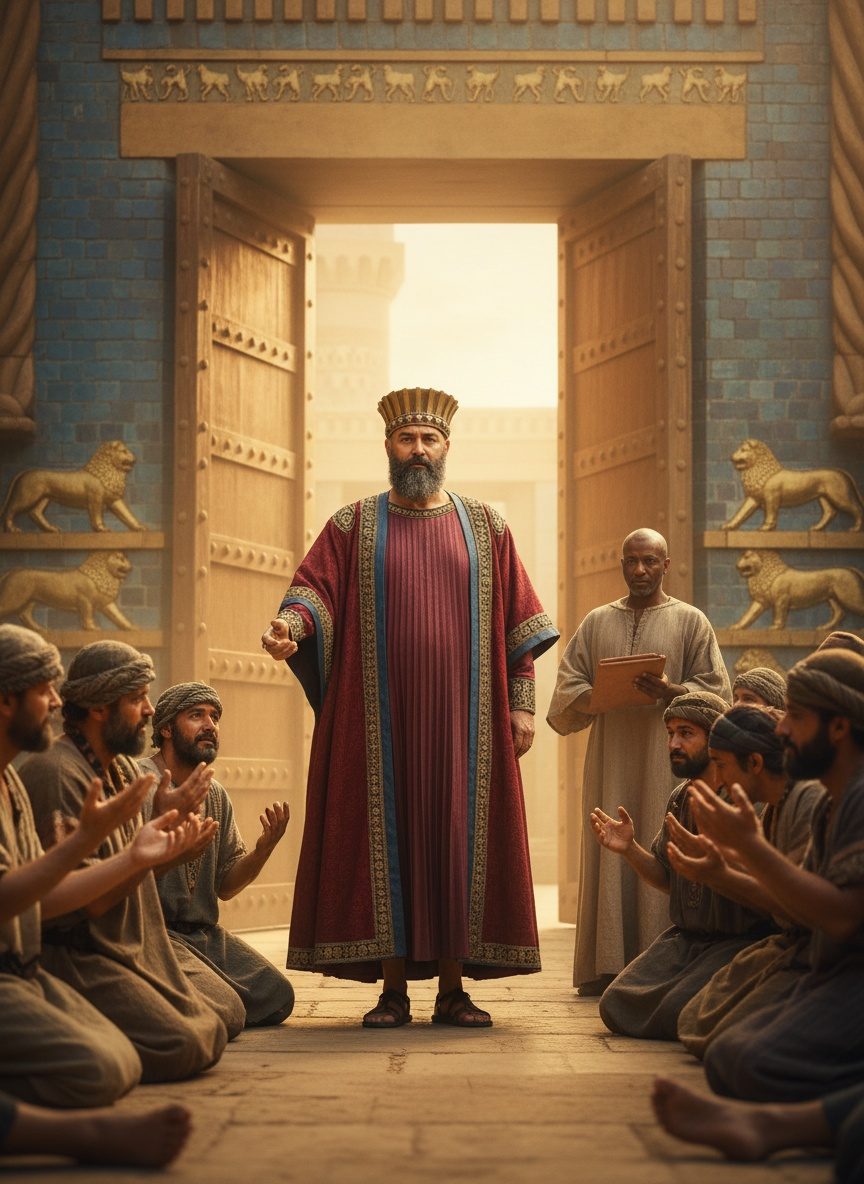
The sweltering heat of the Egyptian sun poured down upon Cairo, casting long shadows over the bustling streets filled with merchants, traders, and soldiers. The pungent aroma of spices mingled with the sweat-slick air, as whispers ran through the crowded souks. It was the year 1250, a time when the city held its breath amidst the clamor of uncertainty. A new power was about to rise, and for the first time in centuries, the very fabric of leadership was about to be rewritten — by a woman.
The Unforeseen Power Move
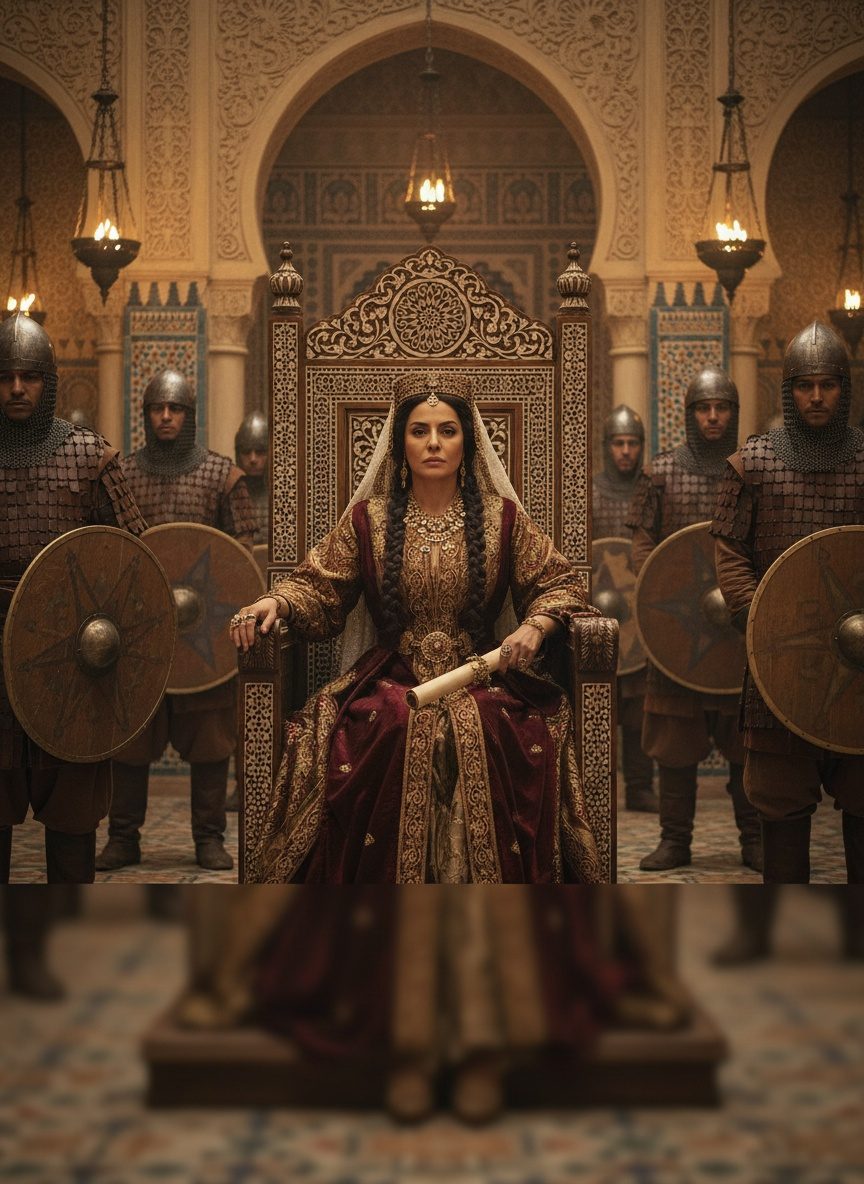
In the midst of chaos after the unexpected death of the Mamluk Sultan, an unlikely figure found herself at the crux of history. Shajar al-Durr, the widow of the sultan, had proven to be more than a mere figurehead. The kingdom was facing existential threats as the Crusaders loomed large on the horizon, having captured the King of France and putting the heart of Egypt at risk. Panic and fear gripped the Mamluk generals, yet in contrast, Shajar al-Durr stood resolute, her very presence a counterbalance to the rising turmoil.
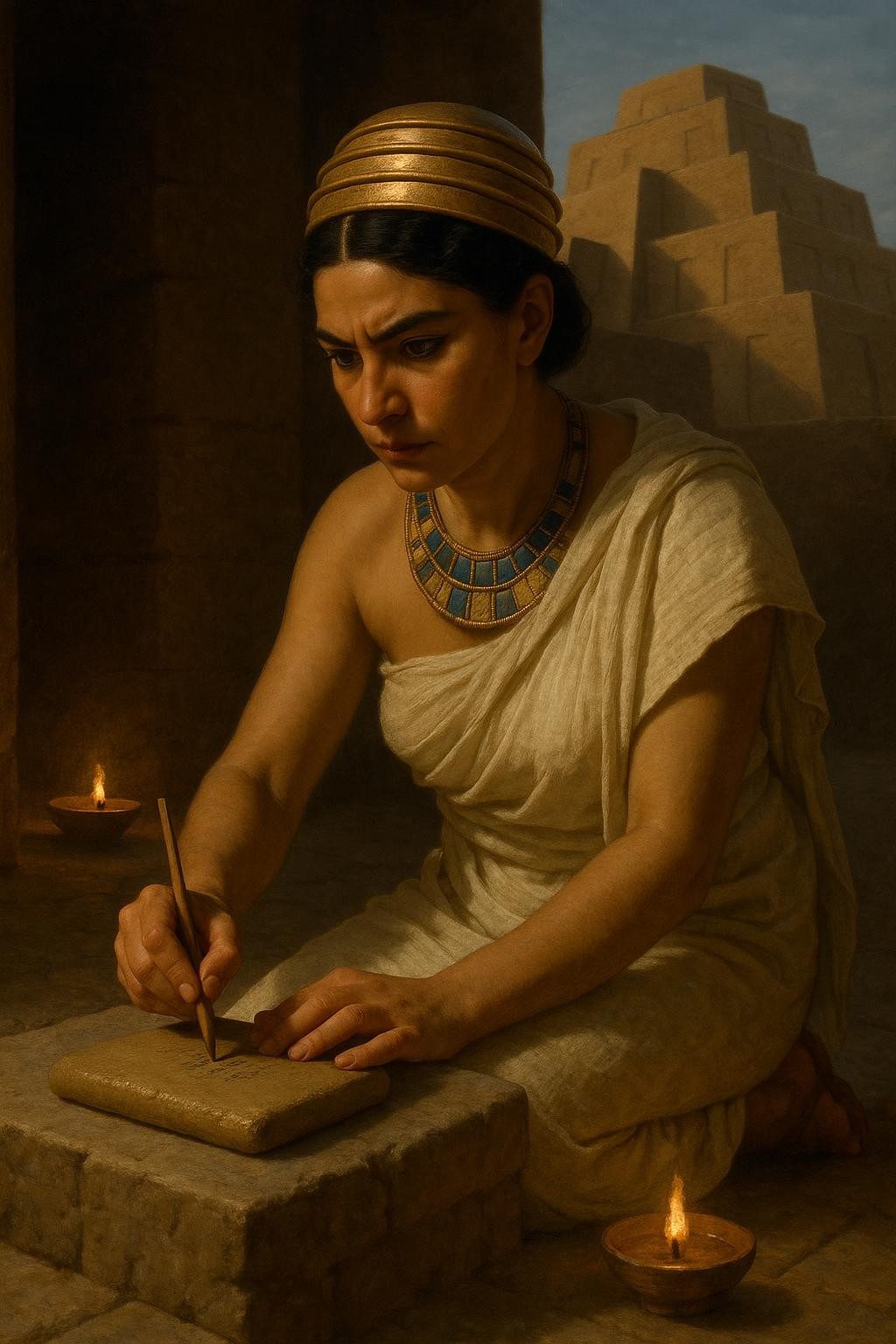
Without hesitation, she seized the reins of power, demonstrating an acute acumen that surprised even her closest advisors. The courtyards where decisions of war and peace were made echoed with the shuffle of officials disoriented by the sudden shift. Shajar al-Durr did not flinch. With a firm hand, she began signing royal decrees, marking the beginning of her eighty-day rule over Egypt. Her authoritative grasp on the sultanate symbolized a new order. As her name was carved onto royal edicts, history was carved alongside it.
Coins of Her Realm
The coins of the realm bore witness to this unprecedented shift. Struck with her own name, these golden coins circulated through the vast markets and winding alleys of Egypt, a tangible symbol of her authority. The act was revolutionary; no woman had placed her own name on currency since the time of Cleopatra. As the coins changed hands, so did the conversations in gathering spaces of Cairo, where the people of Egypt marveled at the audacity and boldness of her leadership.
These coins, small yet significant, were not just currency. They were a reflection of her reign, a realm she refused to let slip into disorder. They bore witness to a period where convention was bent to her will, where a woman unapologetically took her place amidst a tide of men. More than mere metal, these coins were a testament to resilience, an emblem of what could be possible under her rule.
Strategic Mastery and Political Skill
Shajar al-Durr's reign, though brief, was marked by strategic mastery that belied her gender in an era dominated by male rulers. Her keen understanding of political machinations allowed her to deftly maneuver through the quagmire of court politics. Faced with the formidable threat of the Crusaders, she forged alliances that elevated her status and fortified her position. Diplomacy was her forte, especially at a time when open warfare was typically the language of power transitions.
Within the hallowed halls of the sultan's court, she stood unbowed, inspiring a new kind of respect that transcended mere authority. Her leadership was characterized not just by decisiveness but by striking a balance between strength and empathy, a duality that few could master. Her presence was a call to the future, a proclamation that even as the world outside faced disruption, her command was unwavering.
An Enduring Legacy
Though her reign lasted a mere eighty days, the impact of Shajar al-Durr's rule echoed through the centuries. She showed that power could be harnessed without the might of an army or the lineage of kings, but through intelligence, determination, and resolve. Her story is one of the few that history nearly overlooked, yet it remains a vital chapter in the tapestry of Egypt's past.
In today’s world, her legacy serves as a powerful testament to the potential for female leadership in even the most unlikely of contexts. It is a reminder that the will to lead need not be tethered to tradition or gender, and that courage can redefine the limits of possibility. Shajar al-Durr took her place in history not with the blessing of a patriarchal society, but in spite of it—a narrative that continues to inspire and challenge the way we think about leadership.