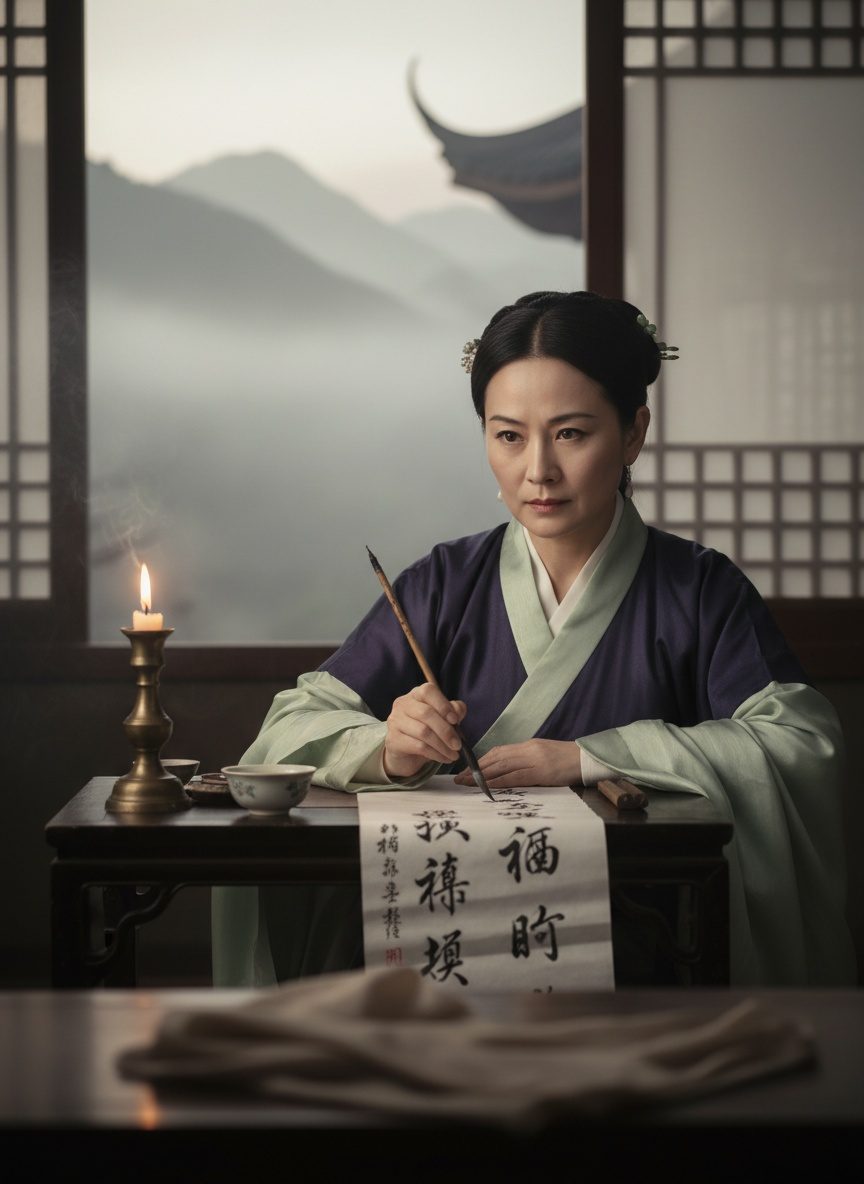
The morning air was cool and gentle, a thin mist cloaking the ancient city of Kaifeng in a shroud of silence. Only the staccato clatter of distant hoofbeats broke the dawn's quietude, a harbinger of dread lurking just over the horizon. In the shadow of this impending threat, a woman stood on the threshold of her once-bustling home, gazing forlornly upon two carts loaded with the remnants of her lifetime's devotion. Her heart bore a burden far heavier than the treasured manuscripts and bronzes she now entrusted to the soldiers’ care. For Li Qingzhao, China's celebrated poet, the hours ahead would carve deeper marks on her spirit than the ink on the delicate scrolls she so painstakingly collected.
The Calm Before the Storm: Collecting Treasures of the Mind
Li Qingzhao was born into the waning years of the illustrious Song Dynasty, an era celebrated for its flourishing arts and scholarly pursuits. In this world, she and her husband, Zhao Mingcheng, found a shared passion for literature and history, dedicating thirty years to assembling one of China's most revered private libraries. Their collection was the envy of intellectual circles, a testament to their meticulous taste in rare books and treasured bronzes. They cherished these relics of the past, not just as symbols of status but as vessels of profound wisdom and beauty.
The couple's home became a sanctuary of learning, where the rustle of delicate paper filled the air, and sunlight pooled upon ink-stained desks. Yet, the tranquility of their scholarly pursuits was but an ephemeral calm, a fleeting peace soon to be disrupted by the growl of war drums rolling across the northern hills.
The Gathering Tempest: The Invasion of the Jin Army
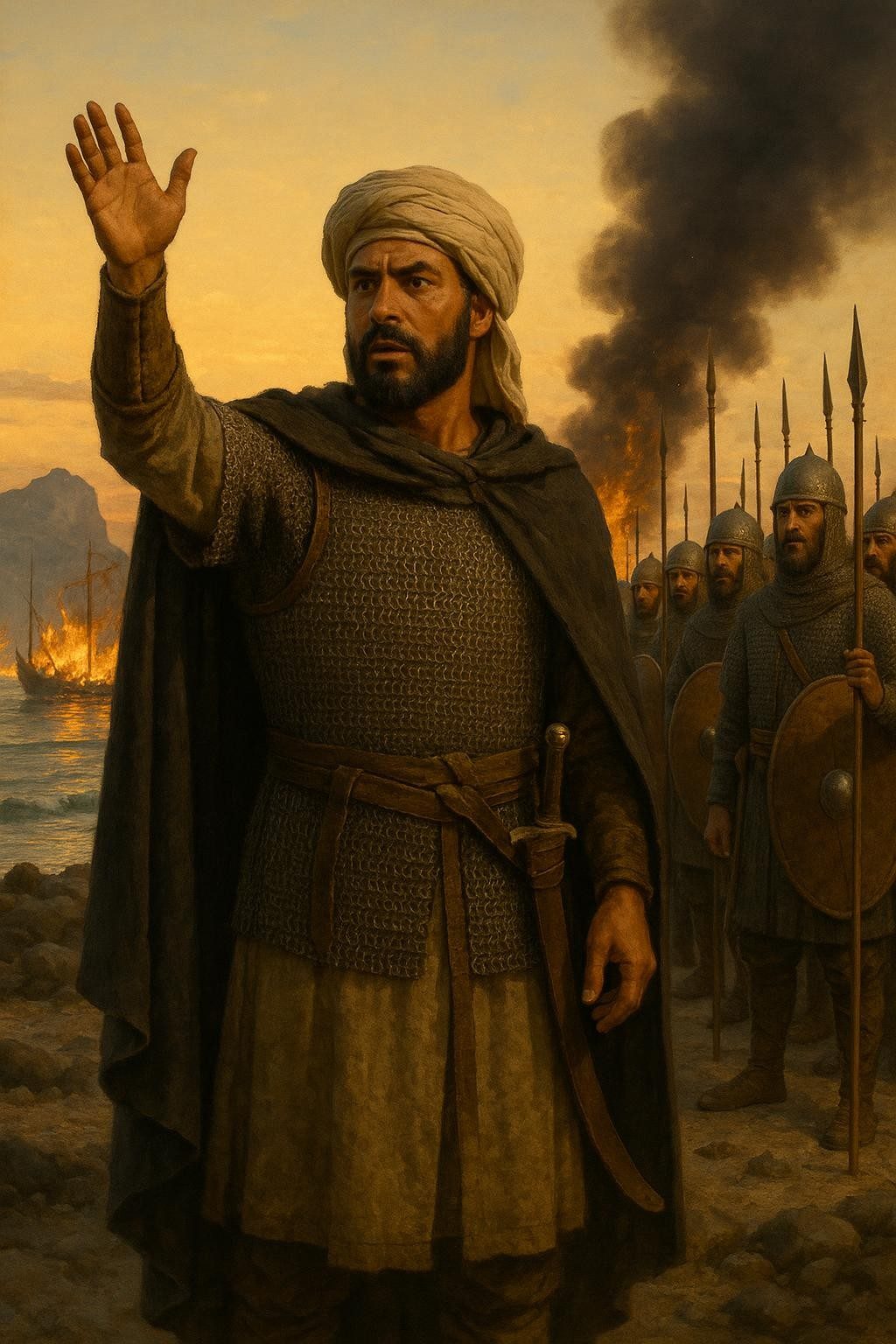
In 1127 AD, dark clouds gathered, thick with the approaching storm as the Jin army, fierce and unyielding, surged southward. Kaifeng, despite its formidable walls and history of perseverance, lay ominously on the path of this inexorable force. As the city's defenders were swept aside, the streets that once echoed with the patter of merchant feet and daily life now resounded with the march of an army relentless in its advance.
Amidst the chaos, Li and Zhao faced an unspeakable choice. Leave behind their sanctuary of knowledge or risk their lives and legacy for its preservation. They chose to flee, each cart a vessel of their devotion, rolling slowly toward the uncertain refuge of the south. The weight they carried was not only of knowledge but of memories—a lifetime arrayed in fragile scripts and ancient bronze that, if lost, could never be reclaimed.
The Long Exodus: A Journey of Loss
The road was long, and the hope they carried weighed heavily. As the miles unfurled beneath them, the carts became burdensome, their road to safety more perilous at every turn. Amid the clamor of refugees, their nobly guided caravan shrank from two carts to one, from a library of wealth to bare essentials. Each sacrificed item—a book, a bronze—felt like parting with a piece of their soul.
Through cities and countryside, the pair pressed on. The clamor of war gave way to the silence of abandonment. Eventually, there was nothing left to extinguish but ember fragments of memory. What they couldn't carry away by cart, Li committed to the permanence of recollection, a heart determined against the erasure of time's encroaching darkness.
The Spirit That Endured: Li Qingzhao's Lasting Words
Bereft of possessions, separated from her husband by death, and lodged in unfamiliar lands, Li turned to the one companion that exile could not steal—her gift with words. This burden of memory, incubated in sorrow, blossomed into poetry that reflected her inner world, an exquisite tapestry woven from the threads of sorrow, loss, and the tenacity to endure.
Her verses, delicate yet resilient as the silk upon which they were scribed, spoke of homes long vanished and of a vitality simmering beneath layers of grief. Her poetry, drawing from profound personal experience, continued to captivate, resonating with common folk and future scholars alike. Her poignant resilience amidst a life shattered propelled her into the annals of China's literary history, an emblem more enduring than any bronze she once treasured.
The Echoes of a Lost Dynasty: Why Her Story Matters
In an epoch when few women's voices emerged with such profound clarity, Li Qingzhao defied the erasure of history. Her story whispers to us across the centuries, a reminder that even in the ruin of a world upended, the seeds of creativity can find barren soil fertile. In her ink and unwavering spirit, we find an enduring testimony—not just of the strength of a solitary woman amidst the Song Dynasty’s fracture—but of the indomitable nature of the human spirit in the relentless onrush of time.
Today, her legacy resonates not merely in the poetry left behind but in the very act of remembrance itself. As we recount the pages of her life, we are reminded that material legacies may crumble, but the wealth of the mind, once shared, lives on—carried not in carts but within the collective memory of humankind.