The crisp air of a Norwegian mountainside in May carries a peculiar bite, even as the sun casts long, ethereal shadows across the snow-draped landscape. The wind whispers through the firs, a gentle reminder of nature’s delicate power in this icy realm. But beneath the serene stillness lies a peril few could survive — freezing waters hidden beneath a fragile crust of ice. On this fateful day in 1999, the snow's deceptive beauty would ensnare a young skier, drawing her into an abyss that no human had ever returned from alive. What followed was a medical miracle that redefined the limits of human resilience and the boundaries of modern medicine.
Into the Frozen Abyss
As the young skier, a trainee doctor, glided confidently down the mountain, she didn't suspect what lay ahead. The sun had warmed the snow just enough for her skis to cut through with ease. Her path brought her to a seemingly solid stretch of ice covering a mountain stream, its lethal treachery hidden beneath a sheen of freshness. In an instant, the ice gave way, and she plunged into the frigid depths.
The stream’s icy grip was unrelenting, dragging her beneath the surface. The frigid water acted swiftly, pulling heat away from her body at an alarming rate. Struggling for air, she was submerged too long. By the time rescuers arrived, her heart had ceased to beat, and her skin bore the pallor of deep hypothermia. A quiet settled over the scene, a portentous stillness broken only by the hurried whispers of medics as they considered the impossible task of reviving a body seemingly resigned to its fate.
The Silent Battle for Life
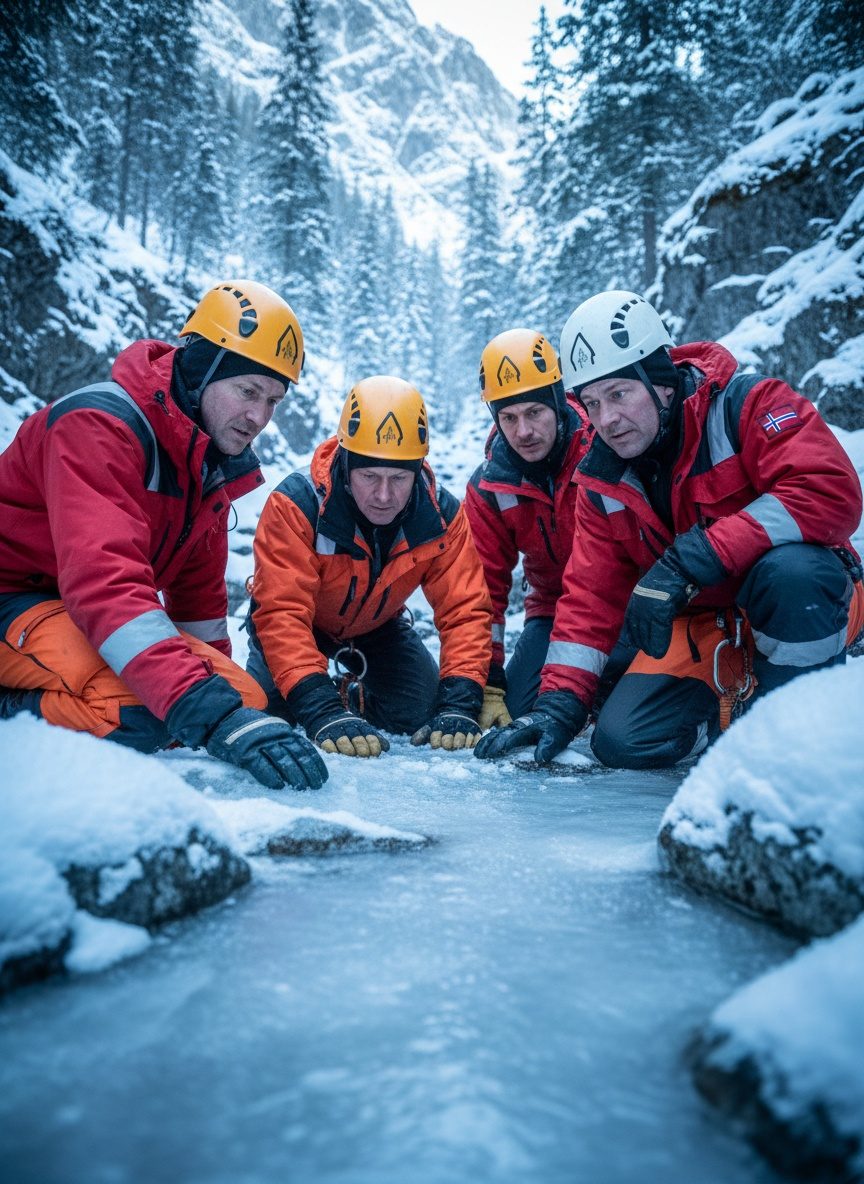
When the medics reached the young woman, hope seemed distant. She was pulled from the water, her body lifeless, her core temperature unfathomably low. Standard medical wisdom would have pronounced her lost, but something deeper urged persistence. The heart, stopped for a staggering 80 minutes, was beyond the threshold of survival. Yet, in those hushed moments on the mountainside, a conviction emerged—the fight for life wasn't over.
The decision was made to transport her to the nearest hospital, where cutting-edge medical technology and the unfaltering dedication of a trauma team awaited. The journey down the mountain was fraught with anxiety, each minute crucial. The silence in the ambulance was punctuated by the rhythmic hum of machinery, striving against the clock to salvage what seemed unsalvageable.
Resurrection: A Medical Marvel
Upon arrival at the hospital, the ordeal took on a grander scale. The doctors, faced with seemingly insurmountable odds, employed a bold strategy—a combination of external warming devices and an intricate procedure called extracorporeal membrane oxygenation (ECMO). This procedure involved circulating her blood through a machine that oxygenated and warmed it before sending it back into her body—a lifeline both experimental and audacious.
Slowly, the impossible unfolded. As her body warmed, subtle signs of life flickered back. Her heart, dormant far beyond any medical precedent, began to beat once again. The staff watched in astonishment as she journeyed from the brink, defying every expectation. The tale of her revival spread through the hospital corridors, each heartbeat echoing a newfound hope in what medicine could achieve.
The Long Path to Recovery
Survival was only the beginning. The reanimation of her heart was a victory, yet the road to full restoration was fraught with challenges. Weeks of recovery lay ahead, each day demanding perseverance and resilience. Her body, slowly emerging from the shadows of hypothermia, required extensive care and rehabilitation.
Despite the grim predictions that often accompany such profound trauma, her progress was nothing short of miraculous. Within weeks, she was not only awake and aware but regaining her physical strength. Each step she took was a testament to her unyielding spirit and the unrelenting efforts of her medical team. Her story, narrated through cautious optimism, became an emblem of triumph over nature's harshest trials.
Redefining the Possible
The tale from the Norwegian mountainside is far more than just a story of individual resilience; it reshapes the narrative of medical possibility. This event challenged long-held assumptions, teaching the medical community that even in the depths of hypothermic arrest, there is potential for life. The young skier's survival ignited new discussions and research into hypothermia treatment, reaffirming that where there is life, there is hope.
In the aftermath, the incident cultivated a deeper respect for the human body's capacity to endure the impossible, and a renewed recognition of nature's duality—both unforgiving and magnificent. Today, her story serves as a beacon of possibility and a reminder to never concede, even when confronted by nature's icy grasp. It’s a story of boundaries pushed and beliefs upended, an enduring testament to resilience and the relentless pursuit of life against all odds.