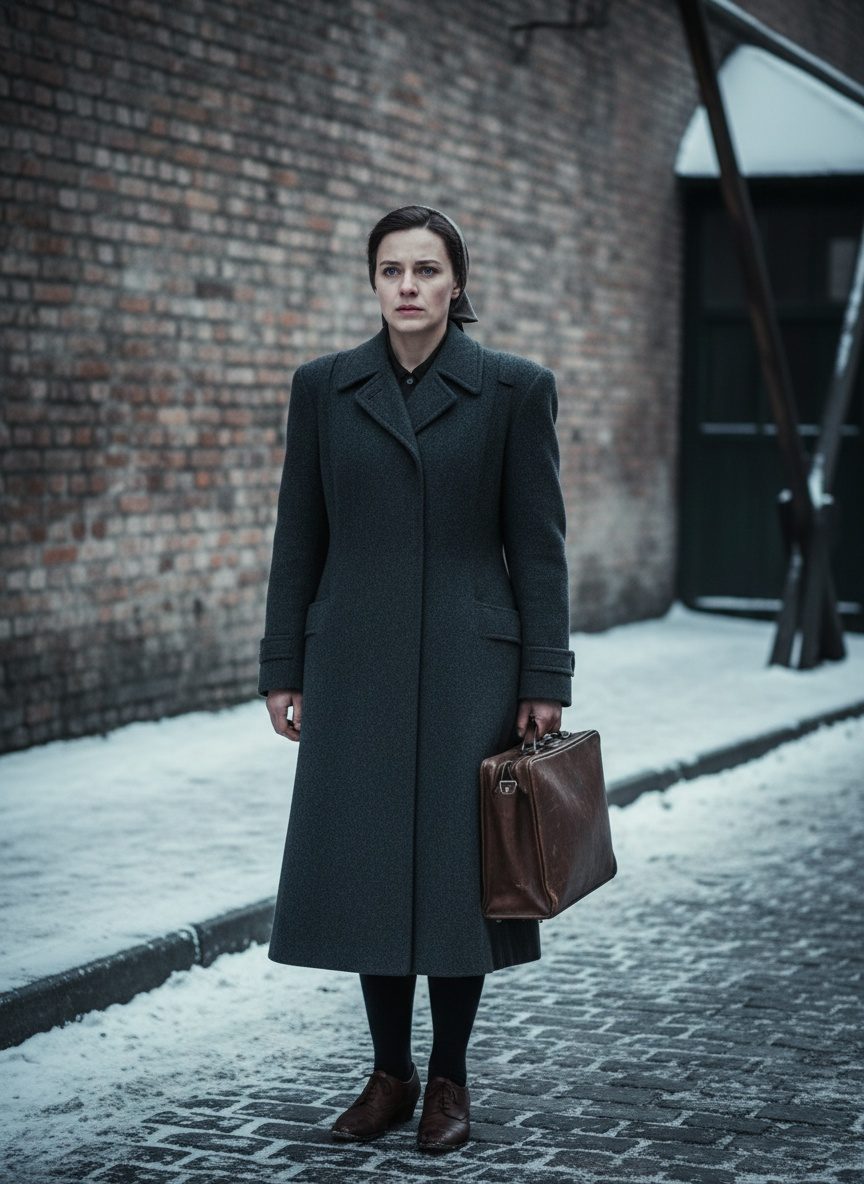
The Warsaw Ghetto was a death sentence. Yet, each day, Irena Sendler willingly walked into it.
One Woman's Unlikely Mission
Amidst the oppressive backdrop of Nazi-occupied Warsaw, Irena Sendler, a Polish social worker, crafted a daring yet understated form of resistance. Unlike the dramatic tales of espionage and war, hers was a quiet crusade of compassion and courage. Armed with a forged pass and a steely determination, she entered the Warsaw Ghetto daily, under the pretext of conducting health inspections. It was a ruse—a veil hiding her true intention of saving the most vulnerable: the children trapped in a shrinking world of despair.
The ghetto, established in October 1940, was a grim fortress, housing about 400,000 Jews within a mere 1.3 square miles. It was a place where hope seemed extinct, ravaged by disease, starvation, and the omnipresent threat of deportation to death camps. Yet within this mire, Sendler saw life—little lives worth saving.
The Deceptive Odds
Sendler's plan was as audacious as it was simple. Using a series of unconventional methods, she smuggled children out of the ghetto, hidden in coffins and toolboxes, or beneath blankets within ambulances. It was a harrowing task, executed under the watchful eyes of German soldiers who patrolled the ghetto walls. Each day risked exposure, which would mean certain execution for Sendler and likely for the children's families as well.
Everyone played their part in this life-saving charade. These methods, daring yet common-sensical, relied on the complicity of others, from cooperative doctors who certified the children as dead to ambulance drivers willing to risk everything. Even in the darkest corners of humanity, there were those who chose to stand with Sendler, guided by a moral compass that refused to point in any other direction.
Identity in a Jar
True heroism often requires a careful blend of courage and cunning. For every child she rescued, Sendler compiled detailed records—names, original identities, and new ones. Fearing that their heritage and familial links might be forever severed by the war, she meticulously buried these names in jars beneath an apple tree in a friend’s backyard. Her hope was slender but vital: that one day the children could reclaim their past.
The jars were more than markers of identity; they were capsules of defiance, representing a firm belief in a future where truth would matter again. In preserving their names, Sendler preserved their essence and a world beyond the war—one where these children could thrive, whole and acknowledged.
The Hidden Guardian Network
Behind Sendler's solitary walks lay an intricate network of conspirators, from clergy to ordinary citizens, entwining their fates and safety with the precarious threads of her mission. Once outside the ghetto, children were placed with trusted Polish families, convents, or orphanages, where they would be safe from Nazi searches. These guardians risked their lives in an unbreakable, silent promise of sanctuary. Together, this network ensured the survival of over 2,500 children—a miraculous feat of collective bravery and human decency.
The invisibility of Sendler’s operation was its greatest strength. She wasn't waging war with guns or bombs; she was battling the forces of apathy and acceptance with every child she saved. This was a testament to the notion that resistance need not be loud to be powerful.
The Still Revolutionary Act
Irena Sendler was arrested in 1943, her life hanging by the thread of a bribe that secured her release. Her story could have ended there, in obscurity, overshadowed by the magnitude of the Holocaust’s horrors. Yet, in the silent whispers of time, her legacy emerged as a clarion call to conscience.
The story of Irena Sendler matters not just as a footnote of heroism or a statistical marvel but as an enduring reminder of the quiet resolve of humanity. Her actions compel us to consider our own legacies—what we do when confronted with injustice, whether we choose to witness passively or act against the tide. In a world that continues to grapple with the shadows of hatred and division, Sendler’s clandestine crusade illuminates the power of individual action and moral bravery.
In the annals of history, Irena Sendler's jarred names stand as whispers carried across time, narrations of an undying human spirit that dares defy even the darkest of circumstances.