Gaius Servilius had the chance to become incredibly wealthy. But he steadfastly chose to remain a poor man. In a time when most sought riches above all, his refusal marked him as someone unforgettable in the annals of Roman history.
Riches of Macedon: The Spoils of Victory
The year 168 BC marked a significant power shift in the ancient Mediterranean world. The Roman Republic stood tall after decisively crushing the once-mighty Macedonian kingdom under the might of its disciplined legions. At the heart of this historic victory was Lucius Aemilius Paullus, a man of ambition and strategic brilliance. It was under his command that the Roman forces cut through the Macedonian phalanx, leading to a comprehensive triumph. Paramythia, Epirus—these were more than just names on the map; they were locales where landscapes echoed with the sounds of battle and victory.
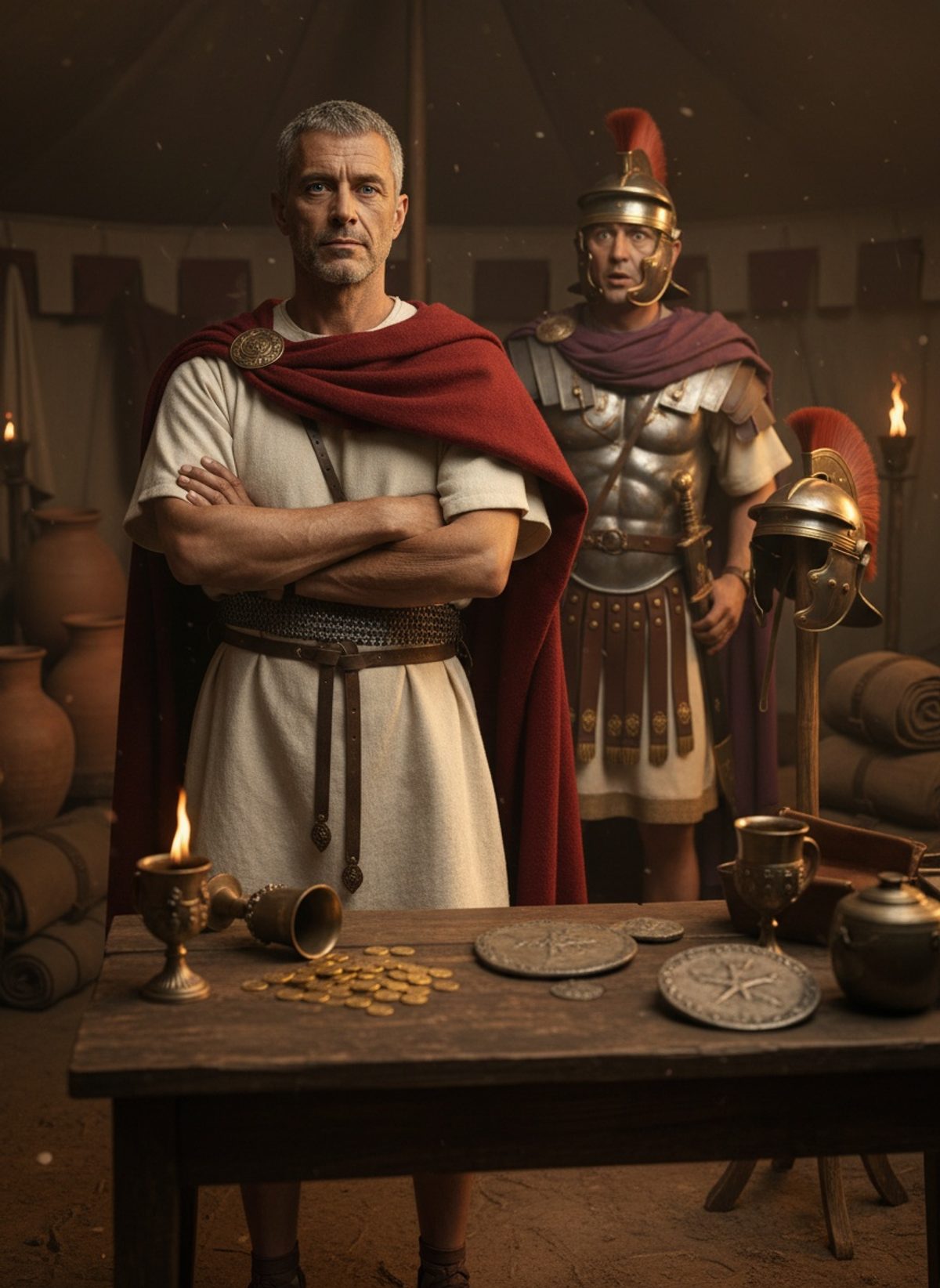
The vanquished King Perseus of Macedon lay shackled, a testament to his nation's fall and Rome's undeniable ascendance. In the aftermath, the Roman military camp brimmed with treasures beyond imagination. Gold coins, intricately designed jewelry, and rare artifacts flooded the makeshift treasury—each piece telling a tale of Macedonian opulence. Every Roman officer was offered their rightful share, a customary practice meant to reward their commitment and valor.
Amidst this lavish distribution, one figure stood apart: Gaius Servilius. His refusal of material gain was both straightforward and profound. To a society that valued conquests and wealth as measures of success, his decision seemed almost irrational. When Paullus personally extended him an offering of treasure, the scene was notable for its simplicity: no grand gestures, no long speeches, just a straightforward decline that sent ripples throughout the Roman ranks.
This moment was emblematic of a rare perspective, one that defied the prevailing norms of the time. For Servilius, honor outvied gold, integrity outweighed silver. In a culture that celebrated wealth accumulation as much as military victories, his choice was nothing short of revolutionary. But why, listeners might wonder, did one man resist the temptations everyone else embraced?
The Character of a Man: A Moral Stance
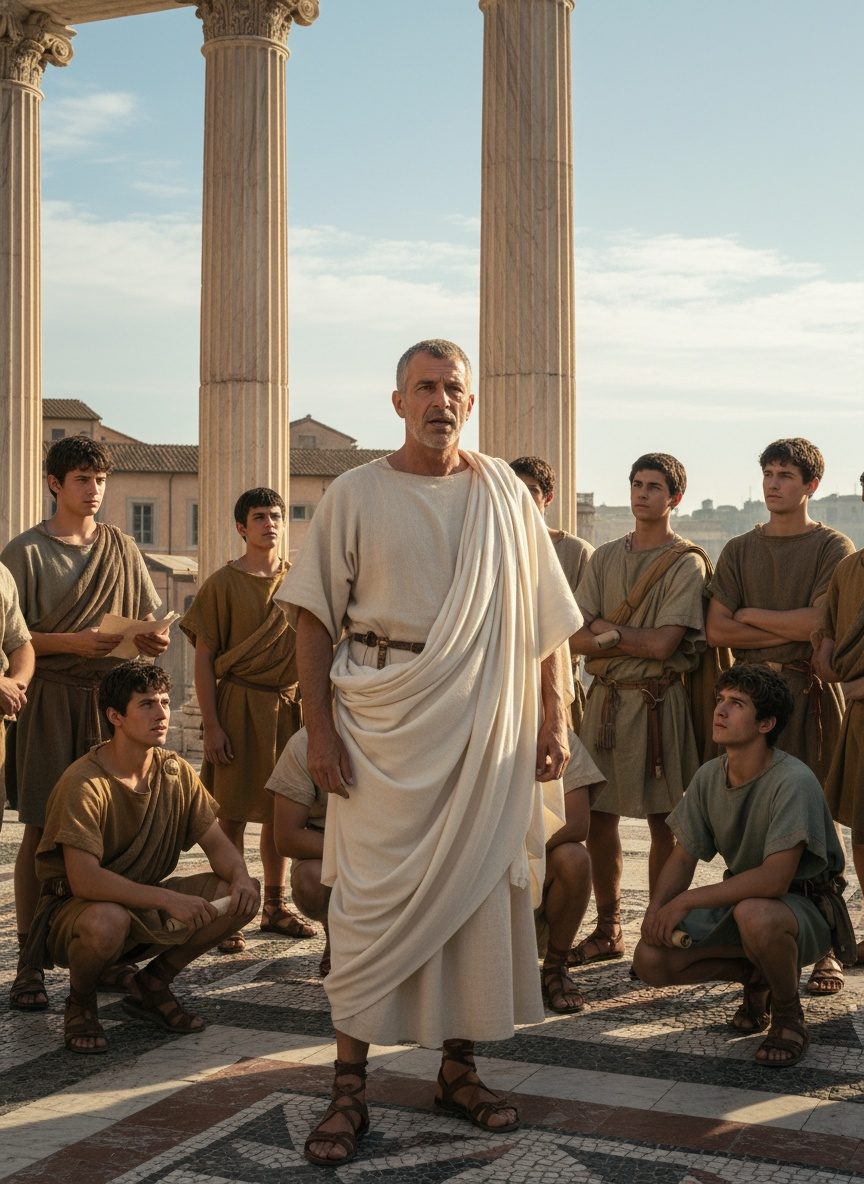
While the wealth of Macedon satisfied many, for Gaius Servilius, the lure of gold held no sway over his spirit. Here was a man committed to principles, embodying a stoic philosophy where virtue superseded materialism. Such was his conviction that despite standing among ornate artifacts and abundant riches, he perceived worth beyond mere trinkets.
The moral fabric of Servilius's decision weaves into the broader context of Roman political culture, which was more fragile than granite monuments testified. Although the Republic prided itself on certain virtues—disciplina, gravitas, pietas—these ideals were threatened by growing internal corruption and economic disparity. Servilius's act recalled the republican virtues allegedly cherished by Rome's founders, those myths of simplicity and moral rectitude.
What remains curiously fascinating is how this singular moment of denial magnified his stature far beyond any chest of treasure. The refusal acted as a clarion call to those strained under Rome's power polities where the integrity of the soul became subordinated to transactions of statecraft. It spoke of courage, not against enemies in battle, but against the encroachment of excess.
But why would a man swim against such overwhelming tide? For someone like Servilius, renunciation may have been liberation. Possession, after all, could become a prison of obligations and invitations to corruption he had no desire to entertain. His was a protest not with words but with deeds, transforming a moment of material loss into a triumph of enduring human values.
Echoes Through the Republic: Lessons of Integrity
The legacy of Gaius Servilius's refusal resonated across generations in Rome. This quiet act in the aftermath of prevalent riches was more than personal principle; it became an emblem of what Rome could aspire to be amid uneven moral landscapes. His paradoxical triumph in eschewing wealth highlighted a timeless struggle familiar to all societies: reconciling prosperity with principle.
With whispers of his decision echoing across Rome's vast domains, Servilius's example instructed both his contemporaries and future statesmen. Not a few looked upon his decision with a mixture of incredulity and respect. In an era where words tumbled from scrolls extolling virtues while hearts chased gold, Servilius's action offered a palpable alternative. Even the Senate, that august body swayed by eloquence and power, could not ignore the moral weight of such an act.
The story of Servilius compels reflection more than two millennia later, urging modern audiences to consider what ultimate value rests on fortune's head. Can one man's conviction withstand the gravitational force of an entire culture's acquisitiveness? As history shows, undeniably yes. Such narratives remind us that in the relentless march of time, it is often the quiet echoes of personal integrity that forge enduring legacies.