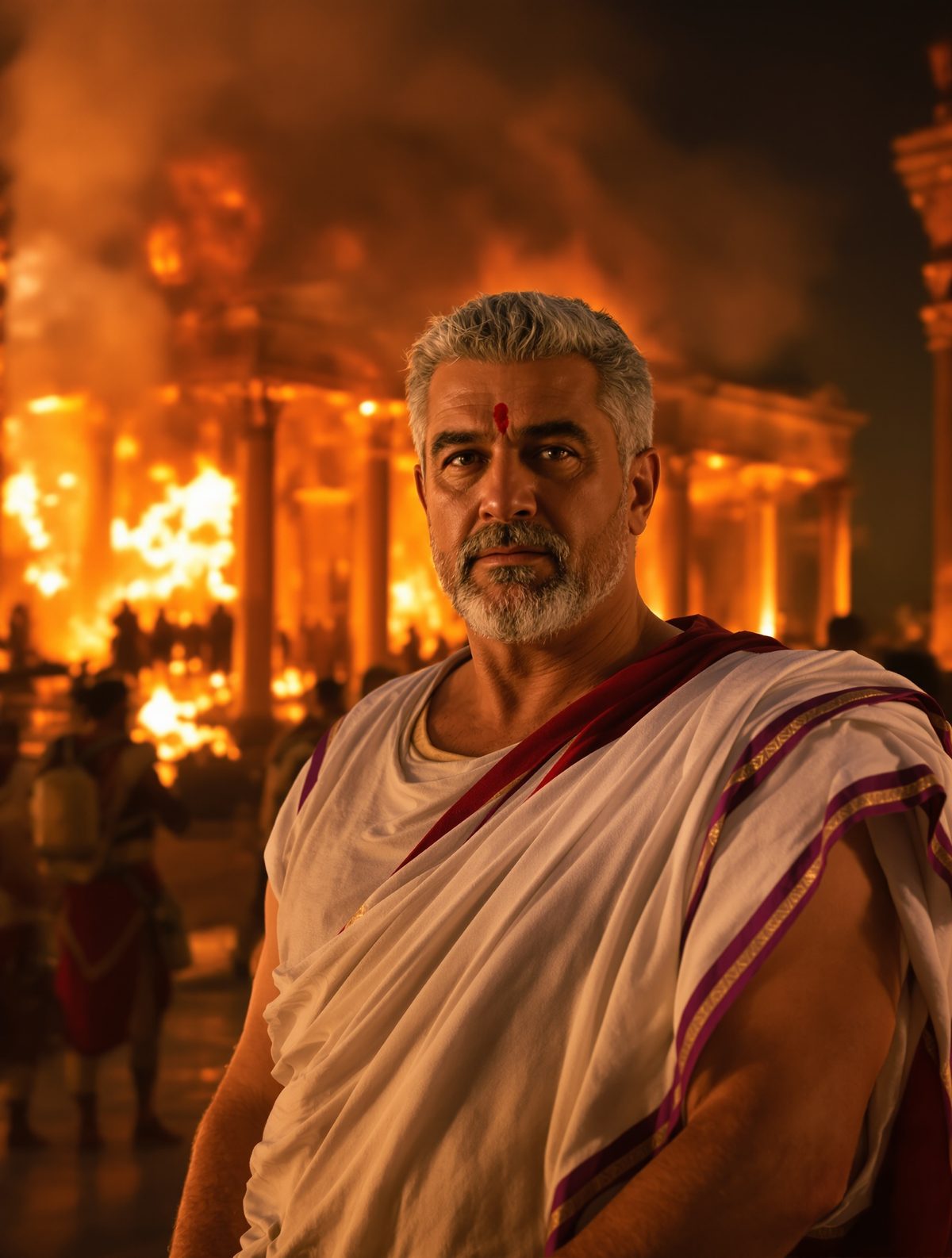
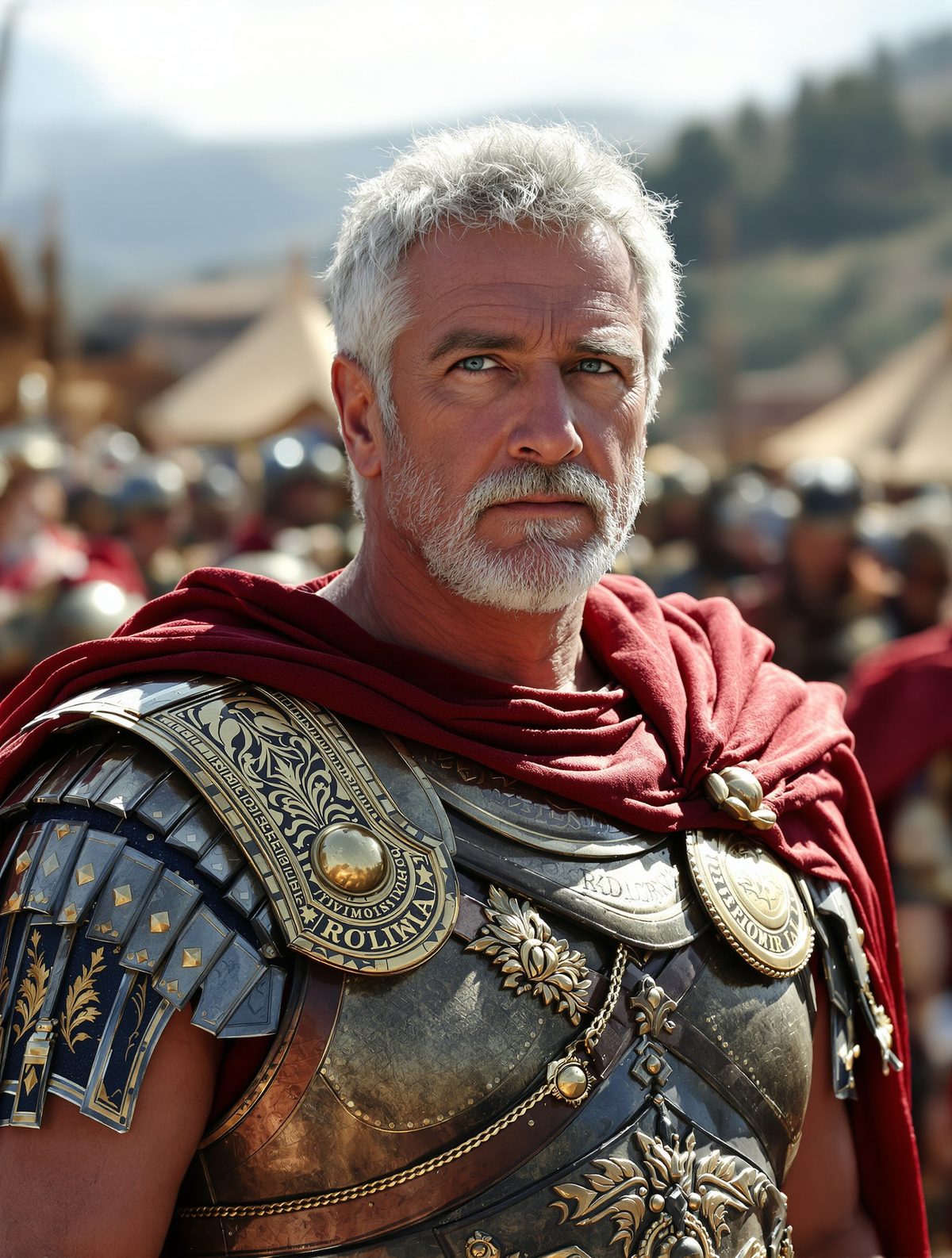
In the flickering light of oil lamps, the most powerful man in the ancient world stared into the eyes of his trembling astrologers. The year was 705 BC, and King Sargon II of Assyria—ruler of an empire stretching from the Persian Gulf to the Mediterranean—had just received a prophecy that would chill the blood of any mortal king. The stars themselves had spoken: if he personally led his army into the coming battle against the Cimmerians, he would die, and his body would never receive the sacred burial rites that guaranteed his passage to the afterlife.
Sargon II laughed in the face of fate itself. Within days, he would be dead on a distant battlefield, his corpse lost forever—exactly as the gods had warned.
The King Who Built an Empire on Defiance
To understand why Sargon II would gamble his eternal soul on a single battle, you must first grasp the sheer audacity that had made him the ancient world's ultimate strongman. Born around 765 BC, Sargon wasn't even supposed to be king. His very name—which translates to "legitimate king"—suggests he was anything but legitimate, likely a usurper who seized power from his predecessor around 722 BC.
But what Sargon lacked in royal bloodline, he more than compensated for in ruthless brilliance. Within two decades of claiming the throne, he had transformed Assyria from a regional power into history's first true superpower. His armies conquered the Kingdom of Israel in 720 BC, deporting the famous "Lost Ten Tribes" in a calculated act of ethnic cleansing that echoed across millennia. He crushed rebellions in Babylon, subdued the mountain kingdoms of Urartu, and pushed Assyrian borders deeper into Anatolia than any king before him.
Here's what they don't teach you in school: Sargon II essentially invented psychological warfare on an industrial scale. His scribes meticulously recorded every atrocity, every flayed rebel, every pyramid of severed heads, then distributed these accounts throughout his empire. The message was crystal clear—resistance was not just futile, it was a ticket to unimaginable suffering. This wasn't mere brutality; it was calculated terrorism designed to break the will of potential enemies before they ever raised a sword.
The Empire That Never Slept
By 705 BC, Sargon's Assyrian war machine was the ancient equivalent of the Death Star—technologically superior, utterly ruthless, and seemingly unstoppable. The king ruled from his magnificent new capital at Dur-Sharrukin (modern-day Khorsabad in Iraq), a city he had built from scratch as a monument to his own glory. The palace alone covered 25 acres and featured over 200 rooms, including a throne room where foreign ambassadors would prostrate themselves before the "King of Kings, King of Assyria, King of the Four Quarters of the World."
But empires built on terror require constant maintenance. In the far north, a confederation of Cimmerian tribes—nomadic warriors from the steppes beyond the Black Sea—had been raiding Assyrian vassal states with increasing boldness. These weren't the civilized enemies Sargon was used to crushing. The Cimmerians were horse-riding nomads who struck like lightning and vanished into the wilderness, their mobility making them nearly impossible to pin down in conventional warfare.
For most kings, this would have been a job for a trusted general. Sargon II had plenty of capable commanders who could have led the campaign while he remained safely in his palace. But Sargon had built his entire reputation on personal leadership in battle. His subjects expected to see their god-king charging at the front of his armies, his enemies expected to face him in person, and most importantly, Sargon expected it of himself.
When the Gods Speak, Kings Should Listen
The Assyrians took divination more seriously than perhaps any civilization in history. Their libraries contained thousands of tablets recording omens, dreams, and astronomical observations stretching back centuries. Court astrologers held positions of enormous influence, regularly advising kings on everything from military campaigns to marriage alliances. These weren't charlatans or entertainers—they were highly educated scholars whose predictions could literally reshape the fate of nations.
So when Sargon's astrologers unanimously warned him against personally leading the Cimmerian campaign, it wasn't a casual suggestion—it was a desperate plea from men who genuinely believed they had glimpsed the king's doom written in the stars. The specific prophecy was remarkably precise: if Sargon fought personally, he would not only die but his body would remain unburied, condemning his spirit to wander eternally as a restless ghost.
For an Assyrian king, this was quite literally a fate worse than death. Proper burial with the correct rituals wasn't just tradition—it was the only way to ensure safe passage to the afterlife. To die unburied meant eternal torment, your spirit forever denied rest among the honored dead. The astrologers weren't just predicting Sargon's death; they were prophesying the destruction of his very soul.
The King's Fatal Choice
Faced with this dire warning, Sargon II made a decision that reveals everything about his character—and perhaps explains how he had conquered half the known world in the first place. He would lead the army personally, just as he always had. Some historians speculate that he simply didn't believe the prophecy. Others suggest he was trapped by his own propaganda—having spent decades portraying himself as divinely protected, he couldn't appear to fear mortal combat without undermining his entire mystique.
But there's a third possibility that's far more chilling: maybe Sargon knew exactly what he was risking and chose to gamble anyway. After twenty-two years of absolute power, perhaps the ultimate control freak couldn't bear the thought of delegating his own fate to subordinates, even if that delegation might save his life.
In 705 BC, Sargon II personally led his army north toward the land of Tabal in central Anatolia, where Cimmerian raiders had been terrorizing Assyrian allies. The campaign began successfully—Sargon's forces scattered several nomadic bands and seemed poised to achieve another of the king's trademark decisive victories. Then, in a battle whose exact location remains unknown, the impossible happened.
The King of Assyria, master of the known world, died exactly as his astrologers had predicted. And in the chaos of the fighting, his body vanished without a trace.
The Corpse That Toppled an Empire
The immediate aftermath of Sargon's death reveals just how catastrophic the loss of his unburied body truly was. His son Sennacherib, who inherited the throne, was so traumatized by his father's fate that he abandoned Dur-Sharrukin entirely—the magnificent capital Sargon had spent a decade building was left to crumble in the desert. Sennacherib moved the royal court to Nineveh and reportedly spent years obsessing over what sin his father might have committed to deserve such divine punishment.
But the real damage went far deeper than royal paranoia. Word spread throughout the empire that the great Sargon II—the man who had proclaimed himself beloved of the gods—had died unburied like a common criminal. Rebellions erupted from Babylon to the Mediterranean coast as subject peoples began to question whether the Assyrians were truly divinely favored after all. It took Sennacherib years of brutal warfare to restore order, and the empire never quite regained the aura of invincibility that Sargon had built.
The missing corpse became a symbol of imperial vulnerability that would haunt Assyrian propaganda for generations. Royal inscriptions from later kings contain increasingly desperate attempts to explain away Sargon's fate, suggesting that Assyrian spin doctors understood exactly how damaging the story had become to their empire's carefully cultivated image of divine favor.
The Prophecy That Echoes Through Time
What makes Sargon II's story so compelling isn't just the dramatic irony of a self-fulfilling prophecy—it's what his choice reveals about the relationship between power and hubris. Here was a man who had literally conquered the known world, who commanded armies numbering in the tens of thousands, who could have any enemy flayed alive or any city burned to ash with a simple word. Yet when confronted with his own mortality, he chose to bet everything on one more roll of the dice.
In our modern age of global superpowers and seemingly untouchable leaders, Sargon's story feels uncomfortably relevant. How many times have we watched powerful figures ignore expert advice, dismiss inconvenient warnings, or double down on dangerous decisions simply because admitting vulnerability would undermine their carefully constructed image? The specific circumstances change, but the fundamental dynamic—the refusal to accept limitations, even when those limitations might be matters of life and death—remains remarkably constant across the millennia.
Somewhere in the hills of ancient Anatolia, the bones of history's first superpower emperor lie scattered and forgotten, exactly as his astrologers predicted over 2,700 years ago. Sargon II had conquered nations, relocated entire peoples, and built monuments that towered over the ancient world. But in the end, he couldn't conquer his own pride—and that, perhaps, is the most human thing about him.