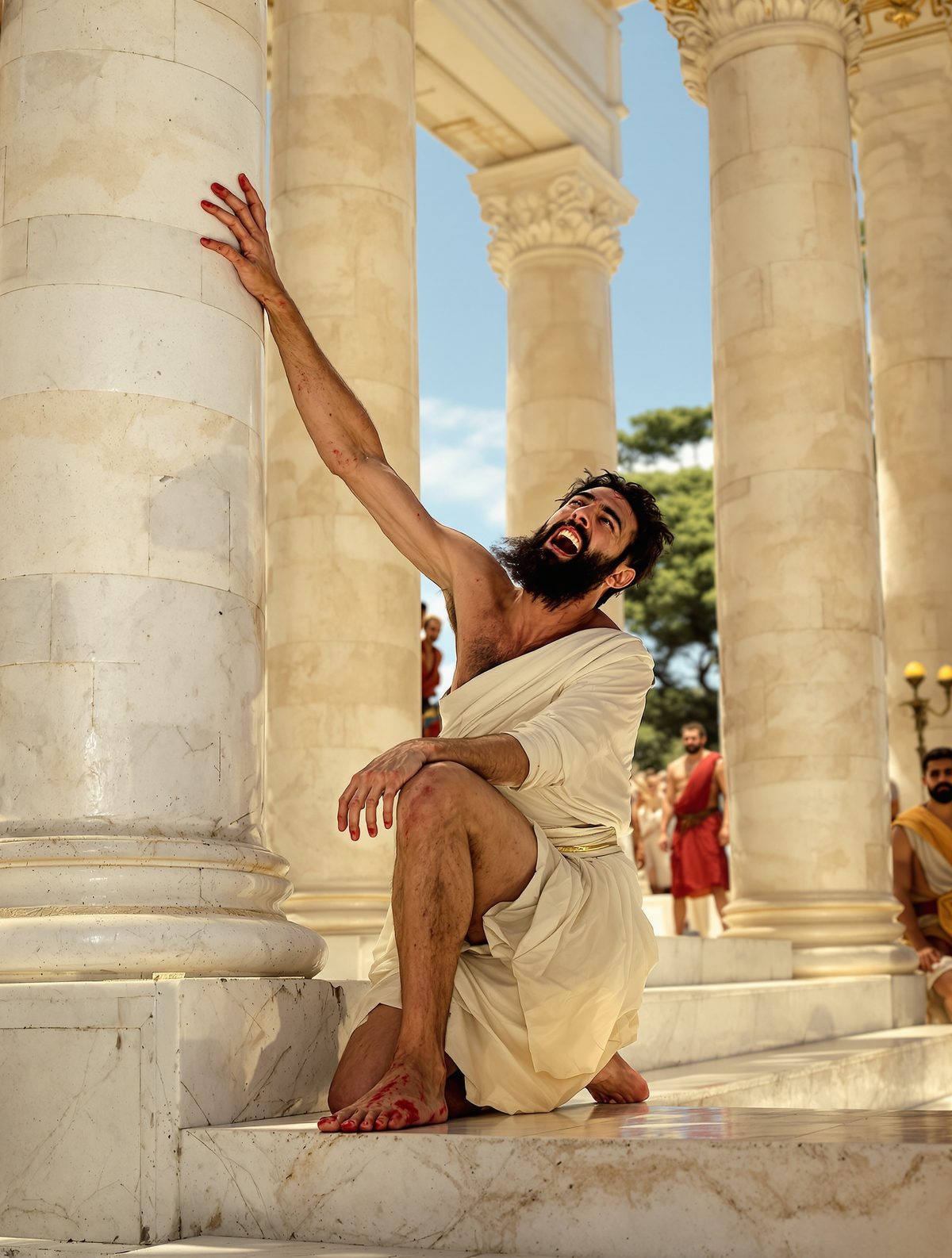
The cries of a man who knew his end was near echoed around the pit. Slithering and hissing, venomous snakes writhed as they tightened around their prey. His name was Ragnar Lodbrok, a legendary Norse hero and king whose death at the hands of King Ælla of Northumbria was both a brutal execution and an unforgivable affront. But history is a tapestry of tales woven by not just its leaders, but by those who rise to avenge them. Ragnar's sons transformed their father's tragedy into one of the most ruthless acts of vengeance medieval England had ever witnessed.
The Pit of Snakes: A Father's Fateful End
It was the year 865 AD when Ragnar Lodbrok, notorious for his exploits, faced his demise in a manner thought fit only for legends. Captured by King Ælla, Ragnar seemingly met his end in a pit filled with venomous snakes. As the serpents bit and coiled, Ragnar remained defiant, reportedly uttering prophetic words that foretold a reckoning: "How the little pigs will grunt when they hear how the old boar suffered!" Such ominous words were an incantation of wrath that would fall upon Ælla, whose perception of victory was disastrously premature.
The Great Heathen Army: A Legion of Vengeance
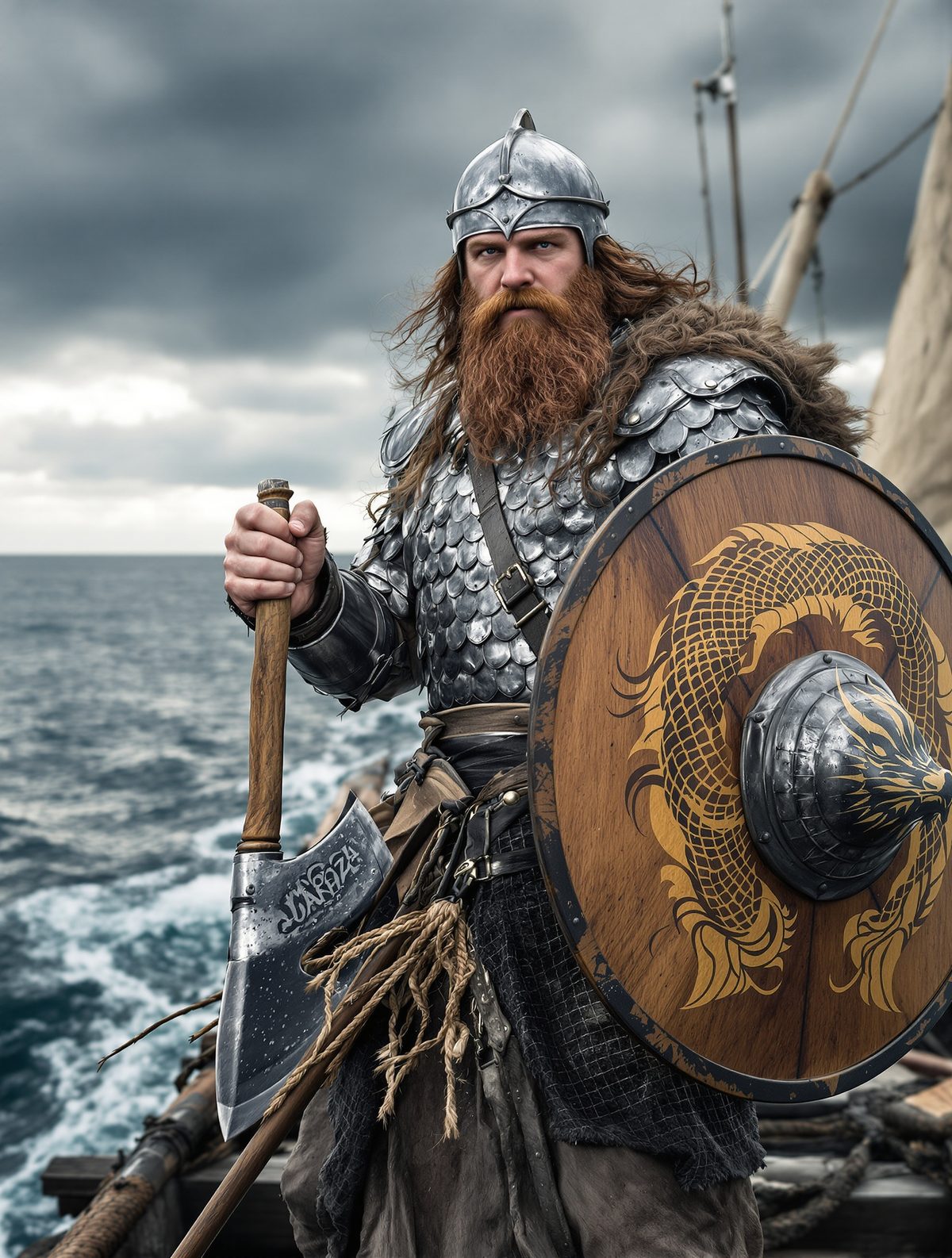
Ragnar Lodbrok's sons did not grieve through silence. Bjorn Ironside, Ivar the Boneless, Ubbe, Halfdan, and Sigurd Snake-in-the-Eye mobilized forces, breathing life into the seething nightmare that would march on England. In 865 AD, the Great Heathen Army, a coalition of Norse warriors larger than anything England had seen before, descended upon its shores. Unlike the opportunistic raids of earlier Viking incursions, this force had a distinct and singular purpose: revenge.
Laying Siege to Northumbria: A Kingdom in Turmoil
As winter's chill settled in, the army methodically plundered their way through the English countryside. But it was Northumbria, the kingdom over which Ælla ruled, that bore the brunt of their rage. By March 866, the Great Heathen Army had seized York, England's second-largest city. York, surrounded by stone walls and a focal point of trade routes, became both a trophy and a strategic stronghold for Ragnar's avengers. Here, the Norsemen reaffirmed their grip, embedding themselves deep within the heart of Anglo-Saxon England.
The siege of York was meticulously calculated, a dance of war where death weaved through the streets. King Ælla and his rival Osberht sought to reclaim their city, but the unified front of the Viking brothers crushed the returning forces, leading them into a trap amid the urban chaos.
The Blood Eagle: An Execution Beyond Imagination
In a stunning reversal of fate, captured and defeated, King Ælla faced the sons of Ragnar. What followed remains one of history’s most controversial and brutal accounts of execution — the carving of the blood eagle. Ælla was reportedly laid prone, arms stretched wide, as the ritual commenced. Skin and ribs were partially severed and opened to resemble wings, exposing internal organs to the air like a macabre eagle.
The blood eagle, shrouded in myth and historic uncertainty, was perhaps less about heathen ritual and more a symbolic act of cosmic retribution — Ælla’s torment mirrored through the agony he wrought upon Ragnar. Historical records interweave fact and Norse saga, with some scholars debating its very occurrence, yet the legend itself imparts a stark lesson on the ferocity of Viking justice.
Aftermath: Repercussions in the Wake of Vengeance
With Ælla's demise, the fabric of Anglo-Saxon England began to fray. The Great Heathen Army, emboldened and fueled by victory, continued its campaign across the land. The power vacuum left by Ælla's death was but the beginning of a prolonged struggle that reshaped the British Isles. Yet, even in the widespread chaos, this tale of vengeance reverberated across the centuries, a grim reminder of loyalty and wrath.
Legacy of Ragnar and His Sons
The saga of Ragnar Lodbrok and his sons lies at the intersection of history and myth, where axes and axes of oral tradition meet. Their brutal form of justice speaks volumes about the values of kin loyalty and honor that permeated Viking culture. This story is a chilling testament to the cycle of vengeance, reverberating through time not only as a saga told around fires but also as a catalyst that influenced the histories of nations.
Tales of such calculated ferocity make us ponder: what does humanity inherit from legends of revenge? In a world where conflict often begets conflict, the historical ripples of Ragnar's sons serve as a powerful reminder of both the destructive potential of vengeance and the enduring legacy of familial duty. Though the blood eagle may linger on the edges of historical credibility, its symbolism teaches us about the human condition — one we still grapple with centuries later.