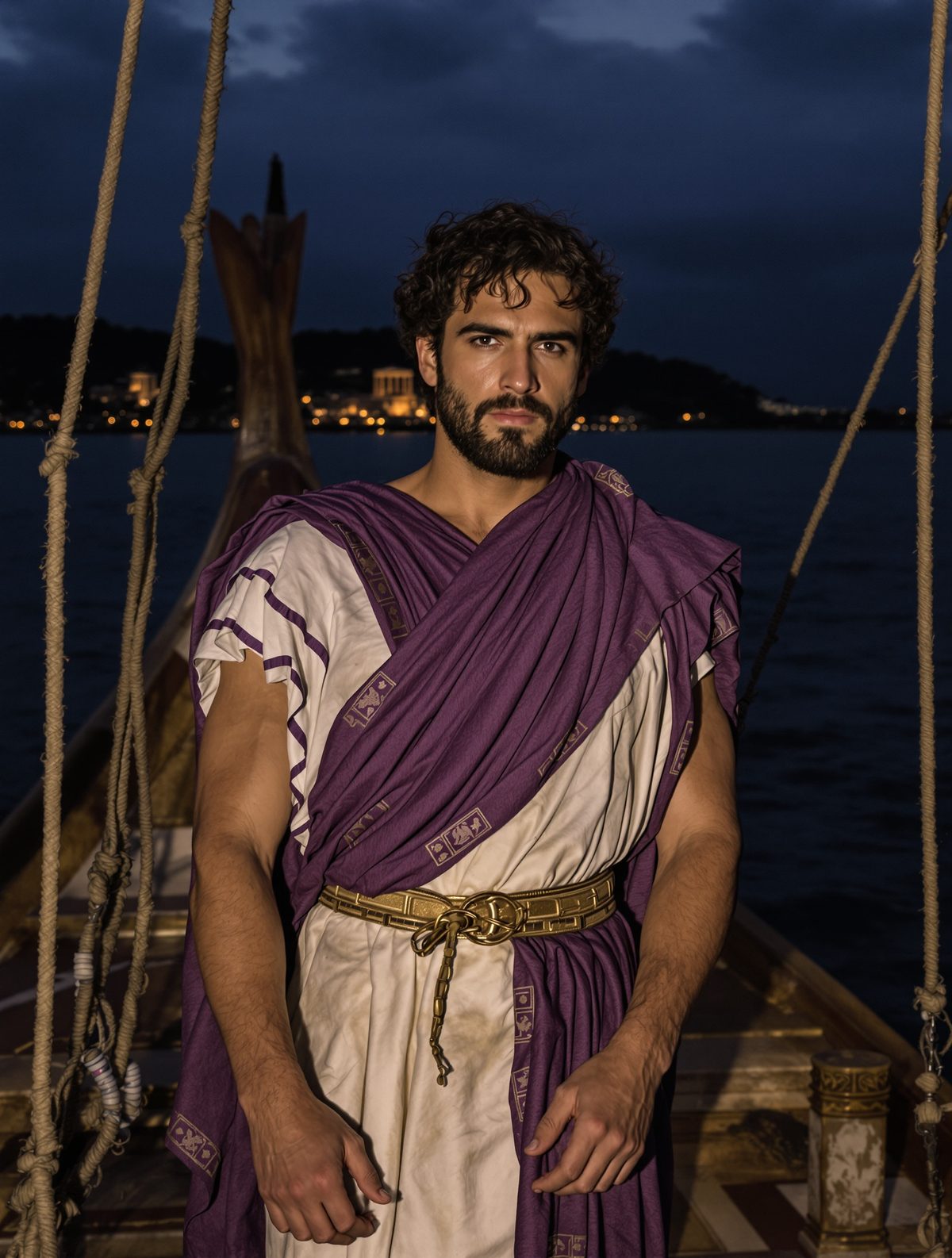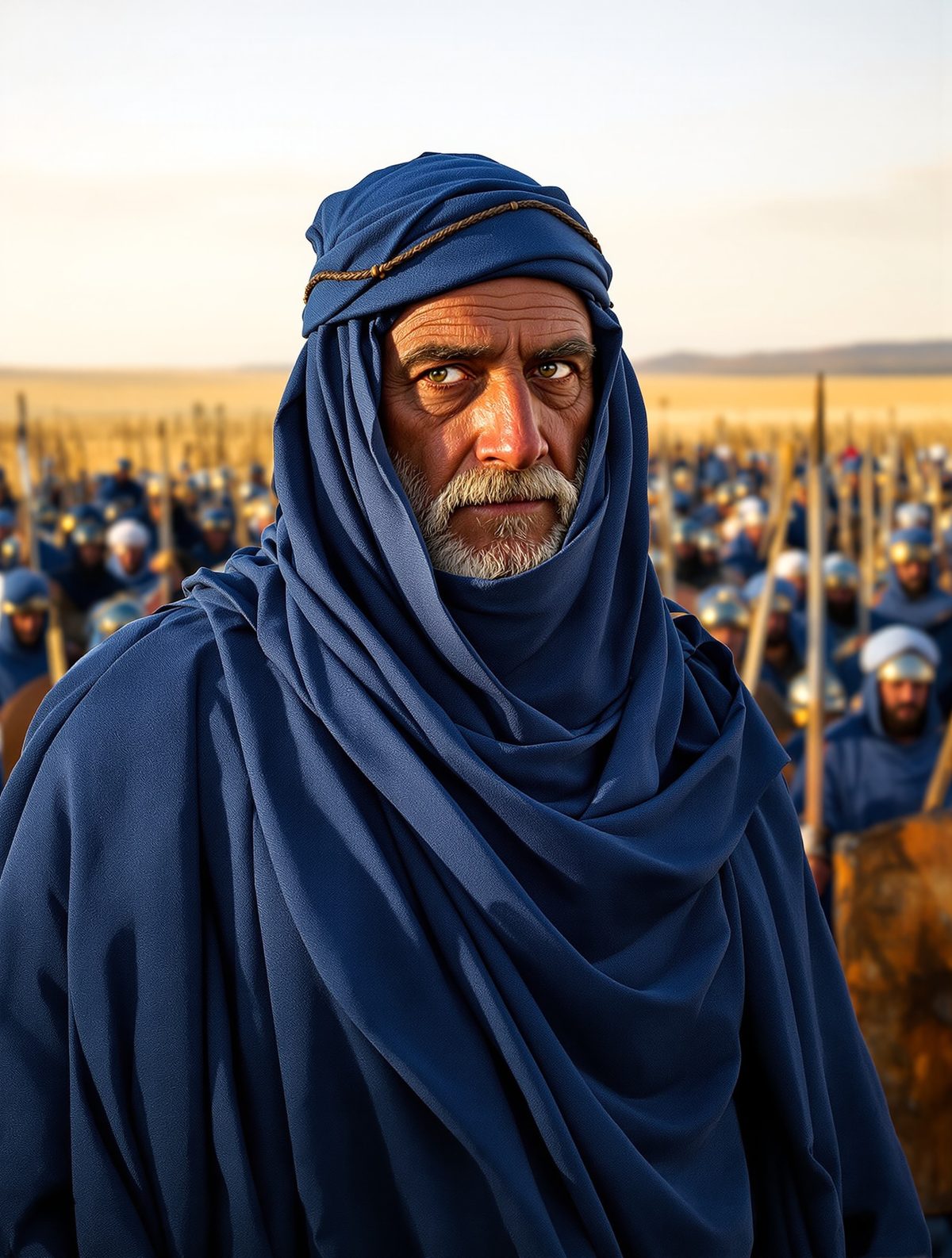
The sweat poured from his brow as his feet met the earth in a relentless rhythm. Pheidippides ran with a message that would echo through history, sparking legends and inspiring generations. Yet, as victory brimmed on his lips, his life slipped away, leaving the tale of an enduring human spirit.
A Call to Arms: The Battle of Marathon
The year was 490 BC, the place: ancient Greece. The Persian Empire, vast and hungering for dominance, cast its eyes on the cradle of Western civilization. Under the command of Darius I, the Persian forces set out to invade. Their target was Athens, seeking retribution for the Athenian support of the Ionian Revolt. The stage was set near a small coastal village called Marathon, approximately 26 miles from the heart of Athens.
The Athenians, along with their Plataean allies, gathered for a confrontation that history would remember as the Battle of Marathon. Facing a dauntingly large Persian force, the Greeks were outnumbered. In their moment of need, the Athenians turned to one of their greatest assets: the human spirit embodied in the form of Pheidippides, a hemerodrome, or long-distance messenger.
The Unyielding Spirit: A Run to Sparta
Before the battle cry echoed across the plains of Marathon, the winds carried Pheidippides on a mission some deemed impossible. To bolster their chances, Athens needed reinforcements. The closest ally capable of providing such aid was Sparta, known for its military prowess. As the crow flies, Sparta was over 140 miles away, a distance Pheidippides was tasked to traverse on foot.
Legend has it that Pheidippides reached Sparta in less than two days, an astonishing feat even by today’s standards. However, his pleas for immediate aid were in vain. The Spartans, bound by religious festivals, could not march until the next full moon. Pheidippides turned back toward Marathon, carrying nothing but the fervent hopes of Athens in his heart and the miles behind him.
The Battle's Crescendo: From Combat to Message
On September 12, 490 BC, the Greeks faced the Persian onslaught at Marathon. Despite their numerical disadvantage, the Athenian resolve was unyielding. Led by General Miltiades, they executed a tactic that would become legendary: the double-envelopment. As the Persian forces advanced, the Greek flanks wrapped around them, culminating in a historic victory.
Breathless with triumph yet aware of the peril posed should the Persians regroup and attack Athens, the Athenians chose Pheidippides once more to carry forth this monumental victory. From Marathon, he set out toward Athens — no rest, no water, just the pressing weight of his duty.
The Final Stretch: From Victory to Final Breath
The sun blazed fiercely as Pheidippides raced across the rough, undulating terrain. The familiar trails turned foreign under the strain of his exhaustion, yet he pressed onward. His arrival in Athens was nothing short of a spectacle; the city stood on a precipice, unaware of the victory or the looming threat.
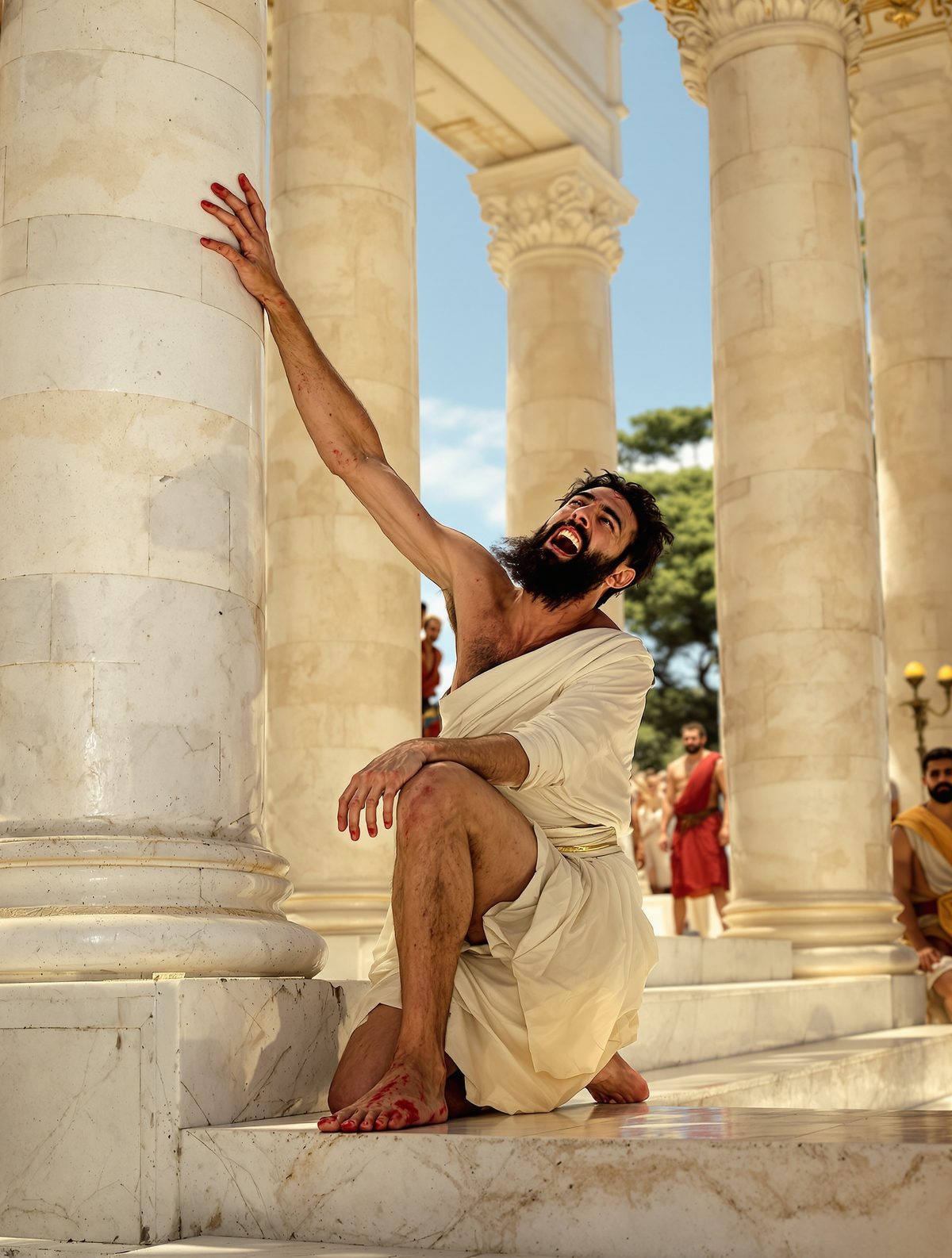
Bounding into the assembly, eyes wild, and lungs aflame, Pheidippides uttered a single word, "Νενικήκαμεν" (Nenikékamen) — "We have won." With this proclamation of triumph, his saga drew to a startling close. Pheidippides collapsed, his heart succumbing to the monumental exertion, his legacy immortalized in that single word.
The Enduring Legacy: Why His Story Matters Today
When we revisit the legend of Pheidippides, we step into a story where courage and commitment transcend the limits of physical endurance. His journey, culminating in what we now commemorate as the marathon, mirrors the indefatigable human spirit — a commitment to a cause greater than oneself.
In a modern context saturated with comforts his era couldn’t fathom, Pheidippides' story serves as a stark reminder of the power of perseverance. When we lace up our sneakers or face daunting tasks, we channel a fragment of his determination. His run sets a foundational stone in our understanding of personal sacrifice and unyielding resolve.
As marathons worldwide celebrate this historical narrative, participants not only commemorate the Athenian victory but also the eternal human quest to overcome adversity. In every calculated stride and labored breath, Pheidippides' legacy conquers time, whispering through the ages that some battles are fought for the future, through pure will and undying hope.