The air in the heart of Persia was heavy with the onset of dusk, carrying the burnt-orange hues of a fading sun across vast stretches of sand and stone. The landscape whispered with the restless shift of history, a place where the empire's might once seemed unbreakable but now teetered on the brink of disintegration. At this moment, Persepolis, the symbol of Persian opulence and power, was steeped in uncertainty. Cambyses II, the king, was dead, and the realm he left behind was a realm without leadership, grasped by chaos.
Whispers of Deception
As the news of Cambyses' demise rippled through the empire like a gathering storm, whispers began to emerge from the shadows of soon-to-be chaotic court chambers. Three new figures emerged boldly into the power vacuum. Their names were carried on hushed lips, each claiming a divine right to the throne, ready to carve their own mould of authority. These claimants not only threatened each other but threatened to split the empire’s unity from Egypt's sands to Bactria's highlands.
The sudden fracture in leadership sent tremors through the empire's foundation. How could subjects know who commanded loyalty when each claimant promised to bring their own kind of peace — or tyranny? The hushed conversations in market squares reflected an empire caught in a tempest of uncertainty, each shadow holding potential allegiance or revolt.
A Noble of Unlikely Fate
From this swirling chaos, a figure emerged whose name would echo through history not merely for his actions, but for the audacity with which he enacted them. Darius, a young nobleman, was not born in the line of great kings; neither army nor empire awaited him. Yet what man would not feel the hot flame of ambition in such a fevered state of unrest? He was of noble lineage, yes, but not that which, by itself, would hand him the empire's keys.
As embers of civil war licked at the corners of the realm, Darius did what few could fathom—he chose certainty amid indecision. It was not enough to watch or wait, as others might, for a favorable wind to blow his way. Courage—or perhaps sheer audacity—drove him to act, to impose order on the chaos with the only certainty he possessed: himself.
The Companions' Pact
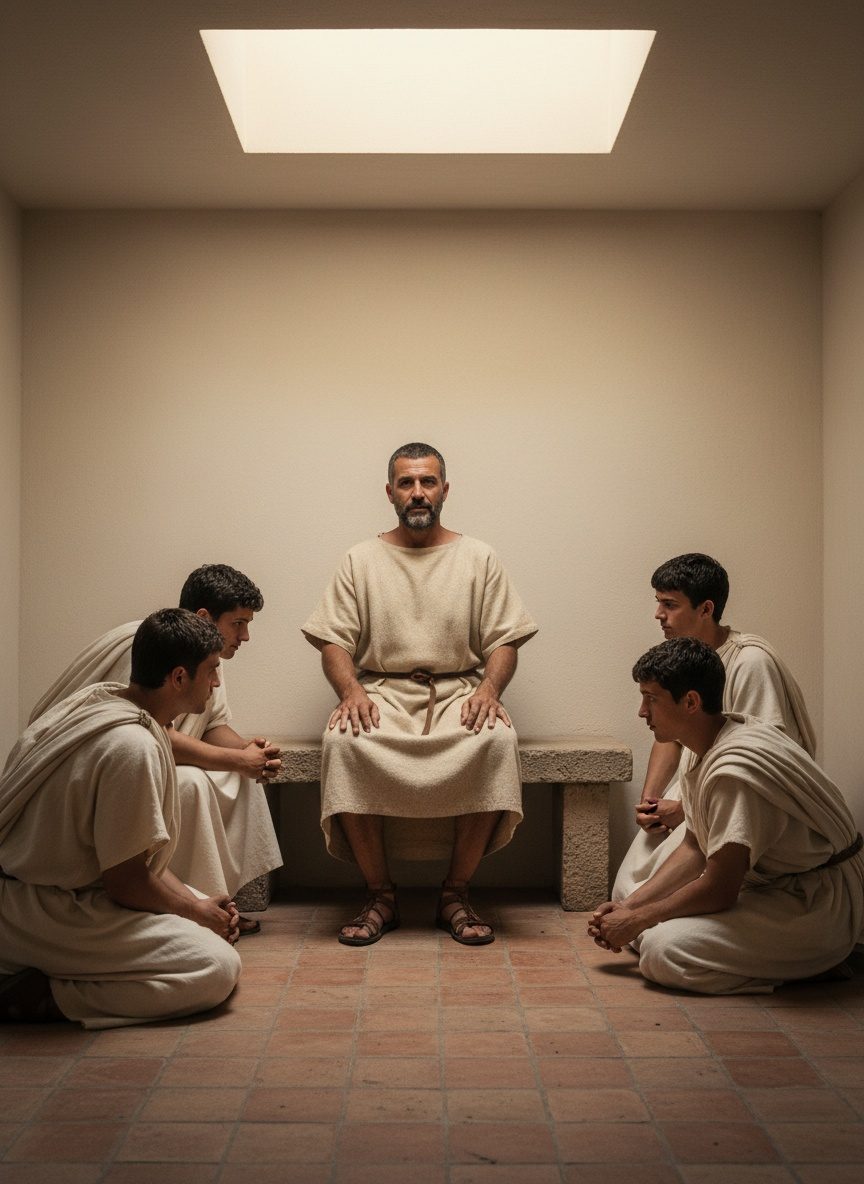
A plan took shape, stark against the ruinous tumult of the fractured kingdom. With six companions, each a noble of their own right, Darius set forth with an idea as improbable as it was audacious. These were not hardened generals with legions at their backs; they were a motley collection of youth and idealism, strapped into a desperate bet against the odds.
Under the shroud of night, and against the canvas of a star-stitched sky, Darius and his companions slipped through the veil of time's shadow toward Persepolis. Each footfall on ancient soil echoed with the possibility of an era defined by bold action over reticent tradition. Their secrecy was paramount, their mission perilous. For if history has taught one truth, it is this: great powers fall not only from mighty blows but from the shift of allegiance within.
The Night Persia Held Its Breath
What transpired next is the stuff of legends whispered in opulent halls and around glowing campfires. In a single night, Darius and his companions breached the sanctums of power held by the pretender, their resolve sharp as the Persian steel they wielded. What audacity—for a hand brimming with novices to challenge the throne's illicit keeper!
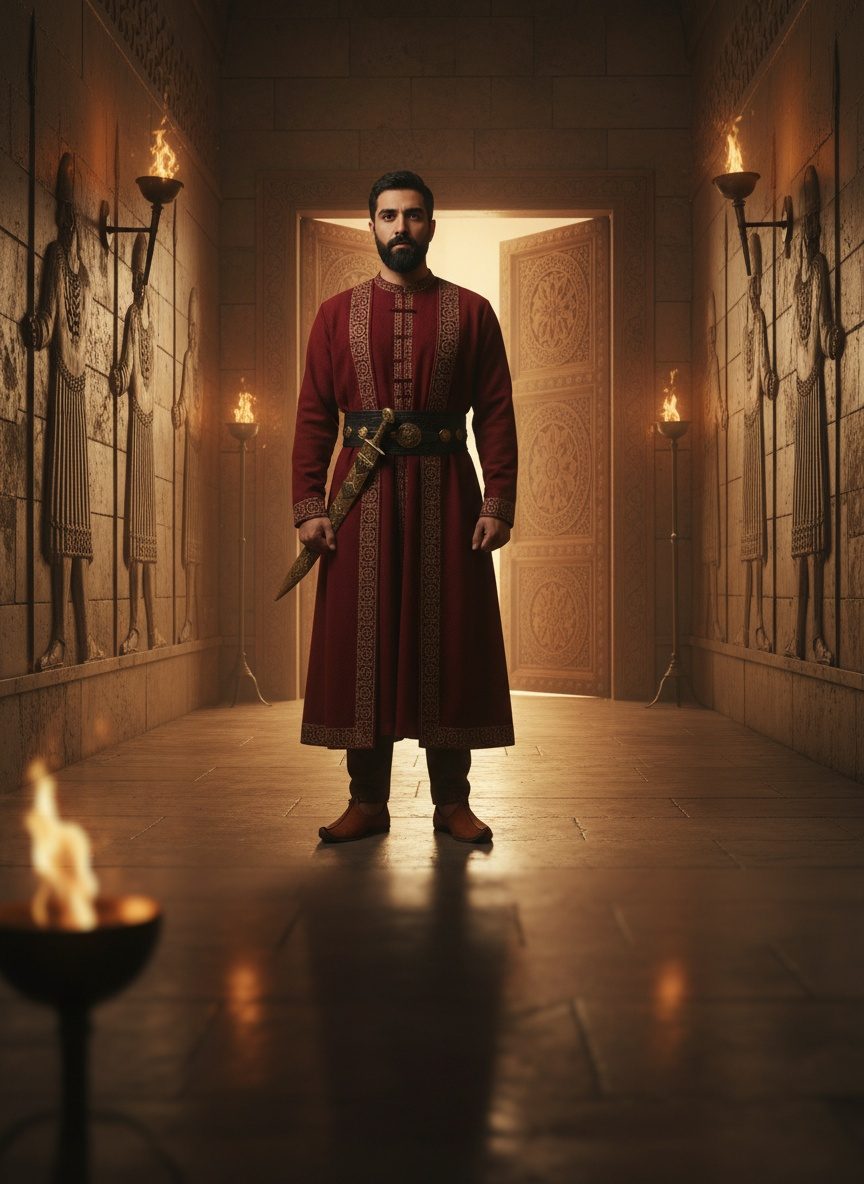
Through daring strategy or the gods’ own favor, the pretender fell, leaving behind echoes of stunned silence amidst the stones of Persepolis. Deep within those ancient corridors, where shadows were longest and ghostly echoes whispered of forgotten empires, Darius seized the core of command. It was much like catching a fleeting mirage—impossible, yet now, undeniably real.
The Empire Reforged
With the pretender dispatched, and six loyal companions at his side, Darius faced the formidable task of mending an empire torn at its seams. It was not might that would glue these fractured pieces back into a proud tapestry; it was vision and governance. Darius knew well that power seized must be power earnestly proved, if it was to secure more than just years to his name on the throne's gilded lineage.
Darius embarked on reshaping the empire. Administrative ingenuity became his hallmark, as provinces were reorganized, and a code of laws brought balance to reign supreme, from the white-robed priests of the plateau to the merchants along the Euphrates' banks. The efforts transcended reclamation; they were a reinvention of Persian dominion.
The tale of Darius and his decisive march through shadows holds power not only in its daring but in what it signifies: the rebirth of an empire when it appeared most fragile. This story, echoing through the annals, reminds that even the mightiest of empires can pivot on a single act of defiance—the decision of one man, surrounded by a cohort of the brave few, to claim destiny from the clutch of happenstance.