Athens was a city like any other in ancient Greece. But it was unlike any other too.
The Silence at Kerameikos
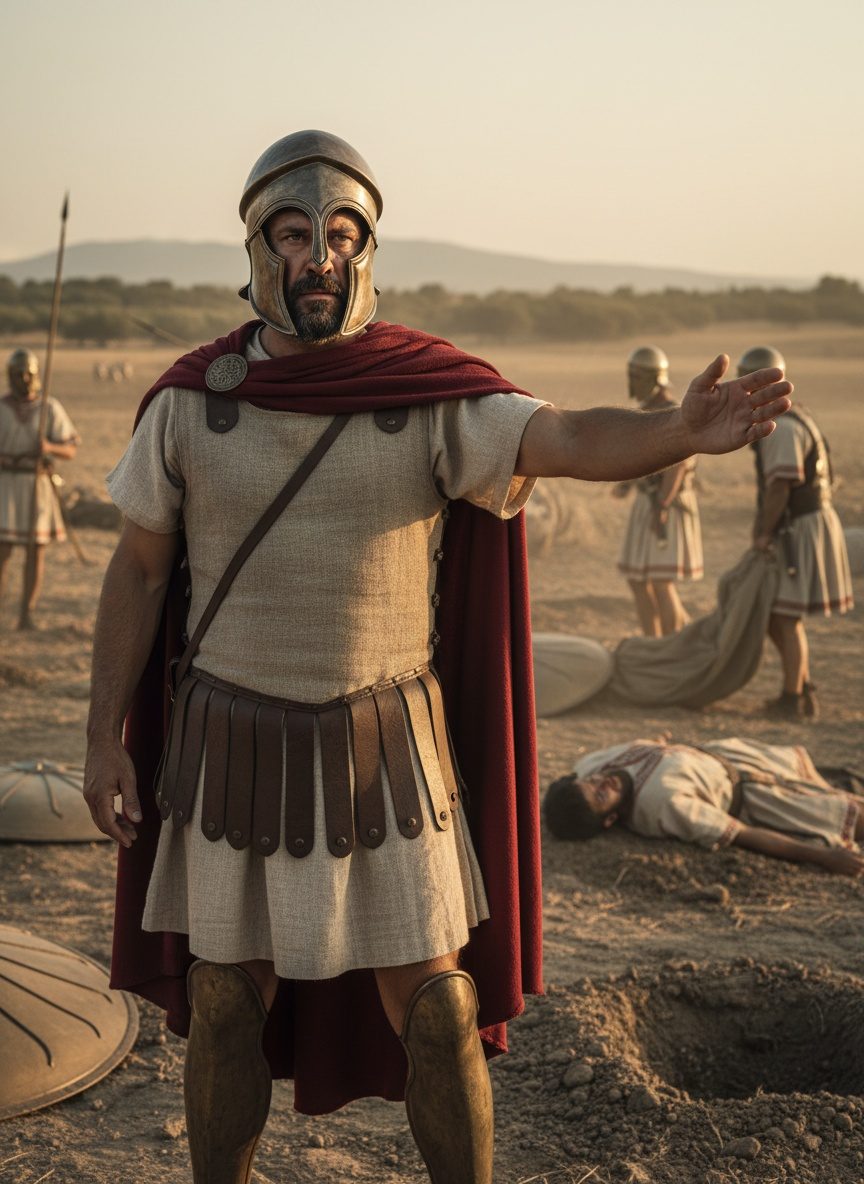
The year was 431 BC, and the war was young. This winter brought a stillness to Athens, a city girding itself for the protracted struggle against the formidable might of Sparta. As the Athenians grappled with the reality of the Peloponnesian War, it was time for a solemn ritual—a public funeral for those who had perished in the conflict's first year. The site was Kerameikos, just outside Athens' city walls, an ancient cemetery where the bones of heroes and commoners alike returned to the earth.
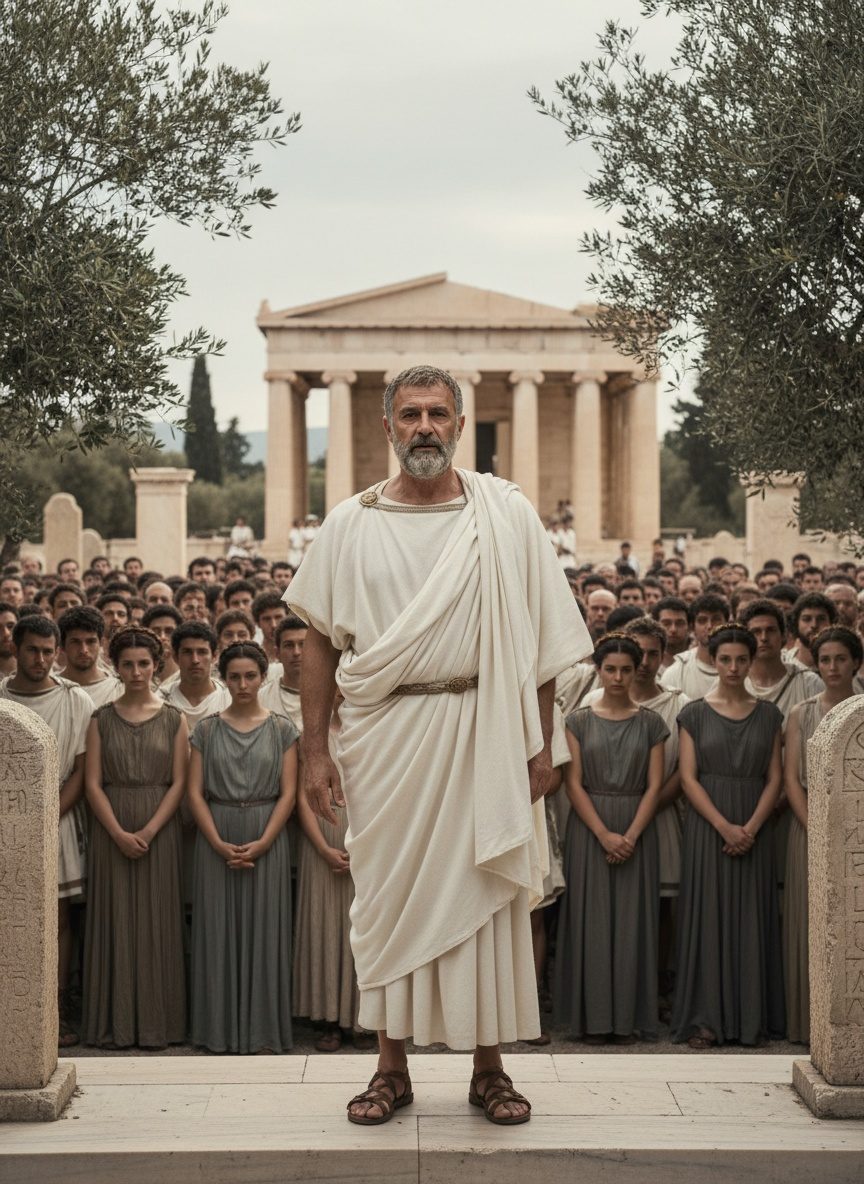
Crowds gathered, their breath hanging in the chill air, a quiet tension rippling through the throng. No mere ritual, this ceremony was an affirmation of their shared identity, a moment when private grief blended with public duty. The mourners formed a rapt sea, eyes fixed on a single figure stepping forward to deliver not simply a eulogy, but a pronouncement that would call forth the essence of their city.
This figure was Pericles, one of Athens' eminent statesmen. He was well-versed in war and governance, yet it was his ability to articulate the intangible that marked him out. In that moment, it was not about the names of the fallen nor the specifics of battles lost and won. Instead, Pericles dared to redefine what made the loss bearable, even noble. He called this "praise not for the dead, but for that for which the dead had died—for Athens itself."
Athenian warriors, Pericles implied, were not mere instruments of statecraft, but avatars of a greater cause: the egalitarian promise of their city. Here was a place known for its radical democracy, where debate thundered and the merits of leaders and policies were weighed by the many, not the few. It was this system, this society of free men, that Pericles reminded them was worth more than life itself. Around him, the city lay vibrant, full of marketplaces brimming with ideas and daring ventures. He painted a vivid picture, an Athens adored not simply for its might, but for its mind.
Pericles' Radical Vision
Standing alone before the multitude, Pericles offered a vision starkly different from the usual mournful rhetoric. His words were revolutionary, extolling not kings, bloodlines, or ancestral rights but citizens who chose their leaders and laws—a notion rare in those times. For most Greeks beyond Athens, leadership stemmed from legacy, from lineages infallible, their hands marked with the blue-blood certainties of rule.
What Pericles advanced was an Athens that thrived under the collective decision-making of its people. Democracy, with all its messiness and cacophony, was the city's lifeblood. It offered something greater than individual glory—a community bound by the rights and responsibilities shared equally by all its citizens. It was a dangerous and electrifying proposition, one that charged the listener with pride and a sense of duty. This was no mere city—this was an idea, the urgent heartbeat of a nascent world order that valued deliberation over tyranny.
In his address, Pericles courted the impalpable—a narrative that sought to inspire loyalty not through fear or obedience, but through love of country. The city was virtuous because its citizens gathered at the Pnyx, debated, and voted without threat or coercion. For Pericles, those gathered at Kerameikos, who had given their lives, were worth more than their weight in bronze, precisely because they understood what was at stake.
The act of holding this ceremony in midwinter laid bare the democratic ideals with which Athens swaddled itself. Pericles transformed the public funeral, usually an occasion mired in tradition, into a civic rallying cry. His words sobered the realities of war with the intoxicating promise of principles: integrity, courage, democracy—the foundation stones on which Athens built its glory.
An Enduring Legacy
Years would pass, and the war would ebb and flow, bringing devastation and hardship beyond imagining. Yet even as blight and battle gnawed at its edges, the ideals Pericles voiced endured. When fire razed the city and the defeat darkened their skies, Athenians held onto the belief that what they possessed transcended physical ruin. It endured because it was not born of tangible wealth or fleeting conquests, but stemmed from an indomitable spirit.
Though the Peloponnesian War would eventually end in Athens' defeat, the vision Pericles invoked did not perish with their military fortunes. It was the kernel of a legacy grasped by the levers of history and projected forward into the future. Democracies would rise and fall, debate and develop, echoing that first clarion call that shaped a city-state into something far more profound than any mere settlement.
In modern times, we look back at Pericles' words not just as an artifact of history, but as an urgent reminder of the aspirations and responsibilities of democracy. The concept he dared hold aloft at a graveside so many centuries ago still calls to humanity, asking us to ponder the costs of freedom and consider what we deem worthy of sacrifice. Whether under Athenian skies or amidst present-day governance, the legacy of Pericles' vision endures—a beacon in the tumultuous sea of history, urging each generation to redefine what "city" and "citizen" truly mean. The graveyard at Kerameikos may have claimed the bodies of the lost, but their spirits animate our ongoing quest for a democracy that lives beyond them.