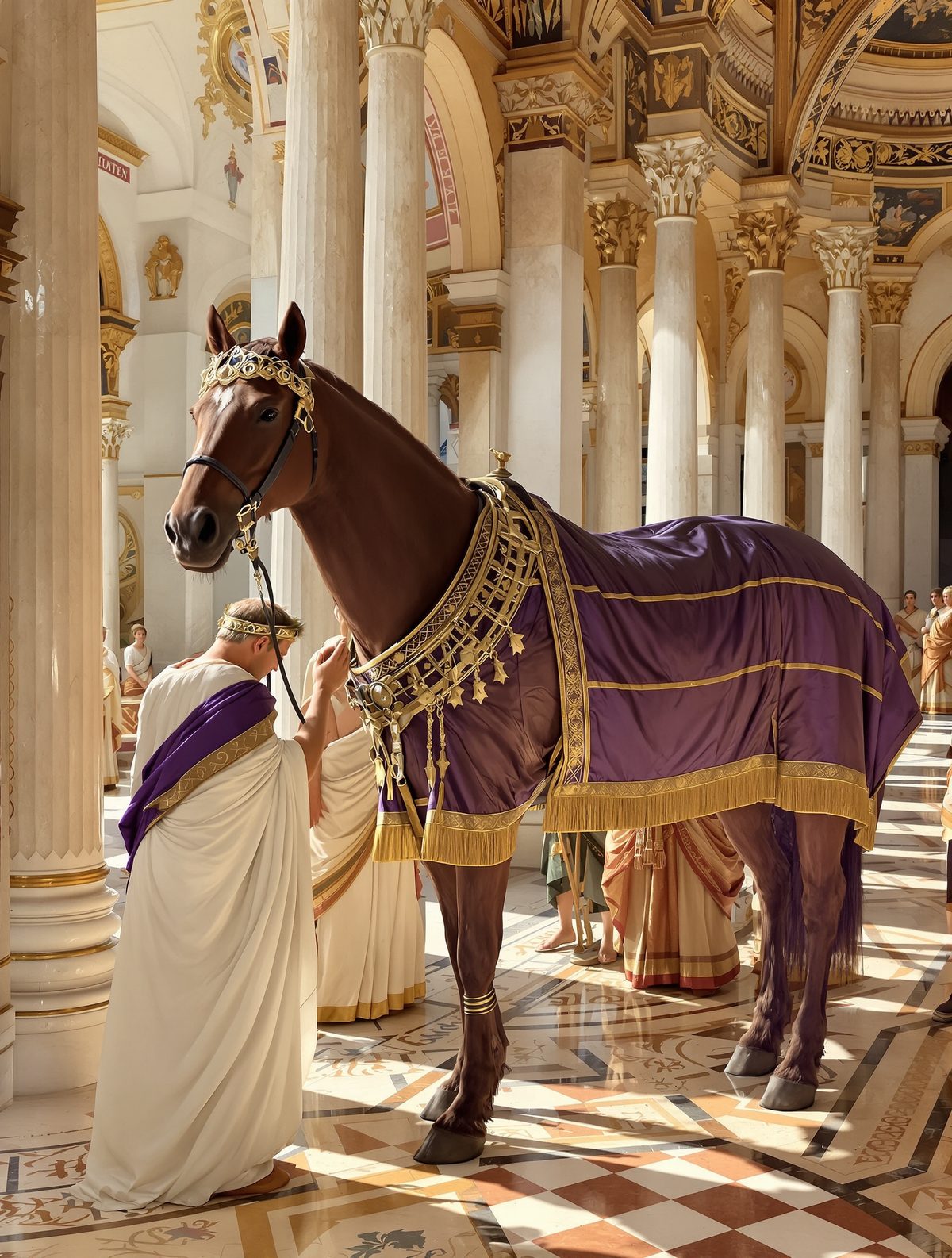
The golden blade caught the morning light as Emperor Marcus Salvius Otho pressed it to his chest. Outside his tent, 50,000 battle-hardened legionnaires waited for orders to march on Rome. They had just crushed their enemies at Bedriacum, and victory seemed within their grasp. But instead of celebrating, their emperor whispered a prayer to the gods and drove the dagger home. With that single thrust, Otho became the only Roman emperor to voluntarily end his own life—not in defeat, but in victory, choosing death over the destruction of his empire.
It was April 16, 69 AD, and Rome was bleeding. The Year of the Four Emperors had turned the eternal city into a battlefield where ambition trumped loyalty and power came at the price of Roman blood. Yet in this moment of ultimate triumph, one man made a choice that would echo through history—proving that sometimes the greatest act of leadership is knowing when to step aside.
The Unlikely Emperor Who Started a Revolution
Marcus Salvius Otho wasn't supposed to be emperor. Born into a wealthy family in 32 AD, he had carved out a reputation as one of Rome's most notorious party animals—a man who shared women, debts, and scandalous adventures with future emperor Nero himself. Ancient historian Suetonius described him as someone who would "pluck out his body hair and regularly wear a wig to hide his baldness," painting a picture of vanity that seemed almost comical.
But beneath the perfumed exterior lurked ruthless ambition. When Emperor Galba arrived in Rome in late 68 AD after overthrowing Nero, Otho saw his chance. He had expected to be named heir, but the aging Galba chose another successor instead. The slight would prove fatal—literally.
On January 15, 69 AD, Otho struck with surgical precision. He convinced just 23 Praetorian Guards to join his cause, marching them to the Roman Forum where they surrounded and butchered Galba. The emperor's head was cut off and paraded through the streets on a pike. After 104 days of rule, Galba was dead, and the perfumed playboy had become the most powerful man in the world.
When the Legions Turned on Rome
Otho's victory celebration lasted exactly as long as it took news to travel north to the Rhine frontier. There, commanding the fierce Germanic legions, stood Aulus Vitellius—a man whose appetite for food was matched only by his hunger for power. Ancient sources claim he could consume four banquets in a single day, but he proved equally voracious when it came to military conquest.
The moment Vitellius heard of Galba's assassination, he declared himself the rightful emperor. His legions, hardened by constant warfare against Germanic tribes, began marching south toward Italy. These weren't the pampered Praetorian Guards of Rome—they were 60,000 veterans who had spent years bleeding for the empire, and they were furious that some "dancing master" (as they called Otho) had murdered their chosen emperor.
What followed was unprecedented in Roman history: two massive armies of Roman citizens preparing to slaughter each other not for the glory of Rome, but for the throne itself. The empire that had conquered the Mediterranean was now turning its legions inward, and the ancient world watched in horrified fascination.
The Battle That Changed Everything
As winter melted into spring, both armies converged on the Po Valley in northern Italy. The stage was set at a place called Bedriacum, a small village that would twice become soaked in Roman blood during 69 AD. Otho commanded roughly 50,000 troops, including his loyal Praetorian Guard, while Vitellius's Germanic legions had been reinforced to nearly 70,000 men.
On April 14, 69 AD, the armies clashed in a battle that contemporary historians described as unlike anything seen in Roman civil wars. The fighting was savage and personal—legionnaires who had once shared campfires and wine now drove swords into each other's bellies. The Germanic troops fought with particular ferocity, shouting battle cries in their native tongues as they carved through Otho's forces.
But here's where the story takes its first shocking turn: despite being outnumbered, Otho's forces won. His Praetorian Guards, fighting for their very survival, broke the Germanic lines and sent Vitellius's army retreating in disarray. When the dust settled, thousands lay dead, but the perfumed emperor had proven he could win battles as well as palace intrigues.
The Decision That Stunned an Empire
Any other Roman leader would have pressed the advantage. The road to Rome lay open, Vitellius was in retreat, and total victory seemed certain. Otho's generals crowded into his tent, maps spread before them, planning the final campaign that would secure the throne forever.
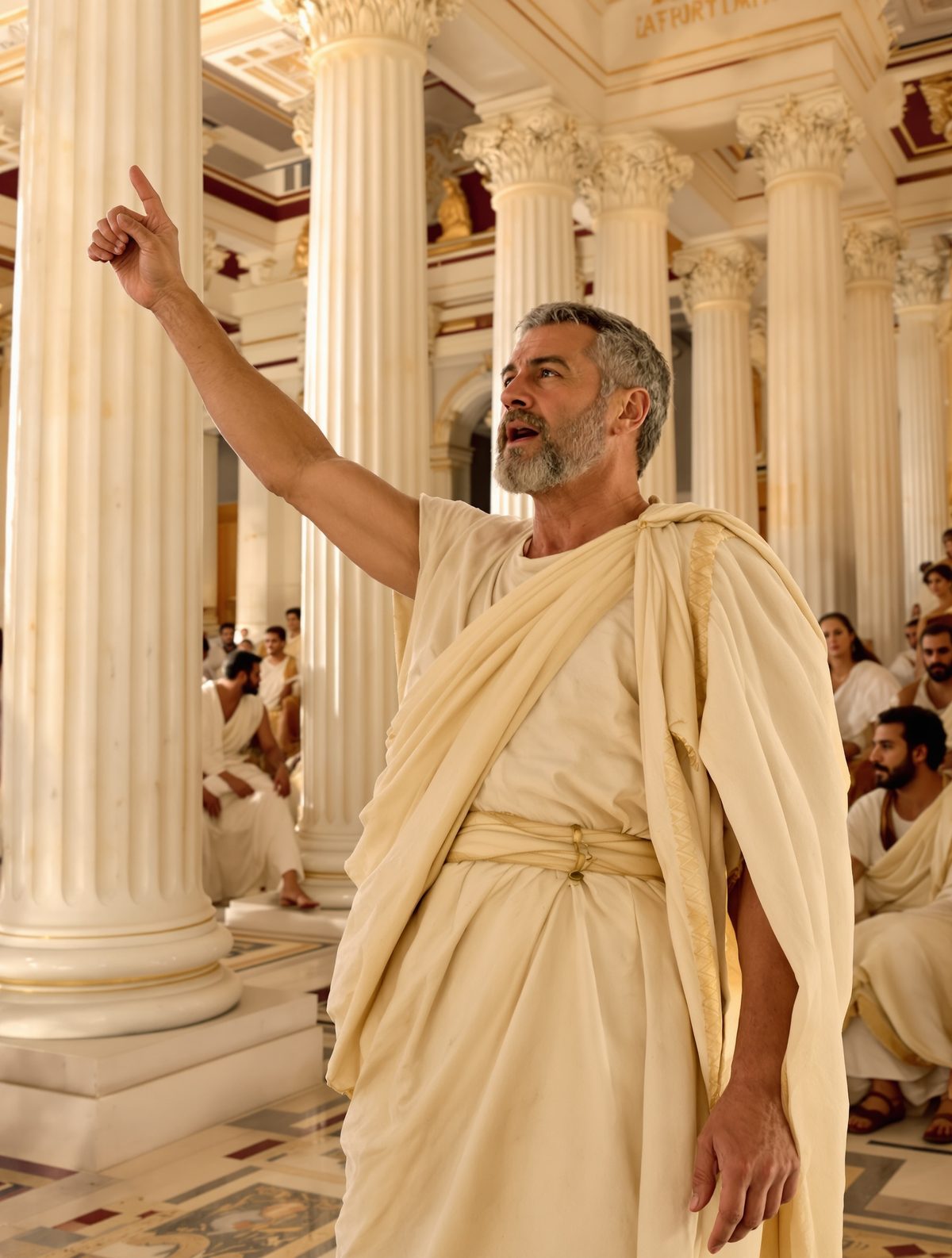
But as they spoke of marching routes and supply lines, Otho made an announcement that left them speechless. He would not continue the war. Instead, he would take his own life to prevent further bloodshed. "It is far more just to perish one for all than many for one," he declared, according to historian Tacitus who recorded his final words.
His officers were thunderstruck. Some fell to their knees, begging him to reconsider. Others argued that victory was assured—why throw it away? But Otho had seen the cost of civil war firsthand. At Bedriacum, he had watched Roman kill Roman while barbarian tribes gathered on the frontiers, ready to strike at a weakened empire. The mathematics were simple: his death might end the war, but continued fighting would certainly destroy Rome.
The decision becomes even more remarkable when you consider Otho's character. This was a man who had murdered his way to power, who had lived for luxury and pleasure his entire life. Yet faced with ultimate power, he chose ultimate sacrifice.
The Dawn of April 16th
Otho spent his final night writing letters—to his sister, to his friends, and to his troops. He burned any documents that might implicate his supporters in his rebellion, ensuring that his death would protect those who had served him. As dawn broke over the military camp, he called for a simple breakfast and ate methodically, as if preparing for just another day of imperial duties.
Then, with the same calculated precision he had shown in assassinating Galba, Otho picked up his dagger. Ancient sources describe how he tested the blade's sharpness against his thumb, drawing a thin line of blood. Satisfied, he lay back on his couch, placed the weapon against his chest, and drove it home with both hands.
The impact on his troops was immediate and devastating. Hardened legionnaires wept openly. Some threw themselves on their swords rather than outlive their emperor. Others rushed to build a funeral pyre, competing to honor the man who had chosen death over victory. Even his enemies were forced to admire his final act—Vitellius later erected a monument to Otho's memory, calling him "a great soul in a small body."
The Emperor Who Chose Tomorrow Over Today
Otho's suicide raises questions that echo through every corridor of power today: When does ambition become destruction? How do we measure the true cost of victory? In our age of endless political warfare, where winning often matters more than governing, perhaps we need to remember the emperor who looked at certain triumph and chose uncertain peace instead.
The tragic irony is that Otho's sacrifice didn't end the civil wars—Vitellius would himself be murdered just eight months later, replaced by Vespasian who finally brought stability to Rome. But Otho couldn't have known that as he gripped his dagger on that April morning. He could only see the immediate choice: his life or thousands of others.
In the end, the perfumed playboy who seized power through assassination became the only Roman emperor to voluntarily relinquish it through suicide. His 95-day reign was one of the shortest in Roman history, but his final act of selfless leadership created a legacy that outlasted emperors who ruled for decades. Sometimes the greatest victory is knowing when to stop fighting—even when you're winning.